$4,000.00 Original price was: $4,000.00.$2,950.00Current price is: $2,950.00.
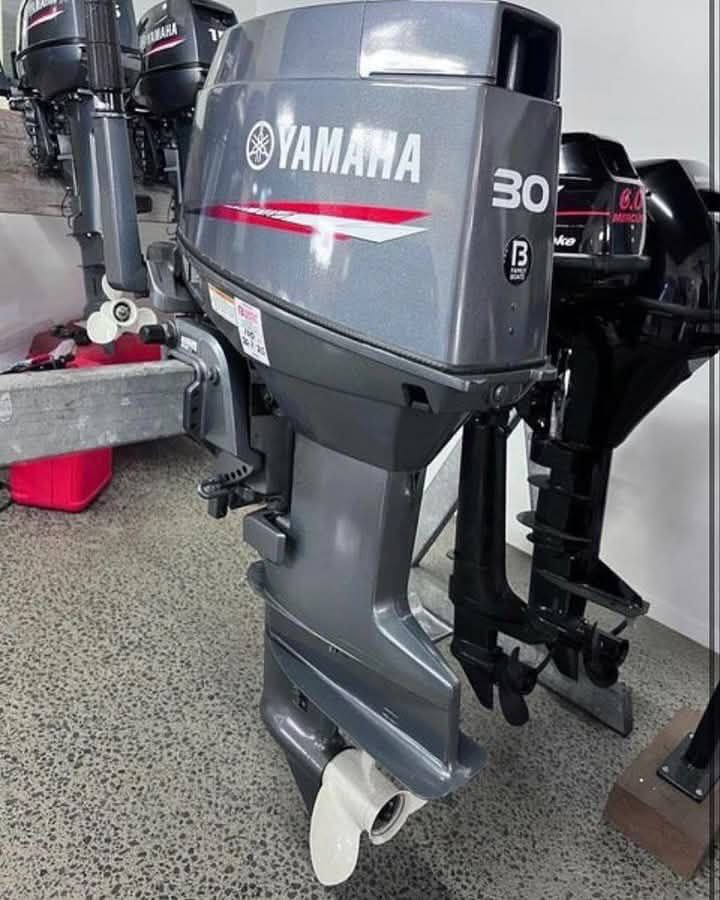
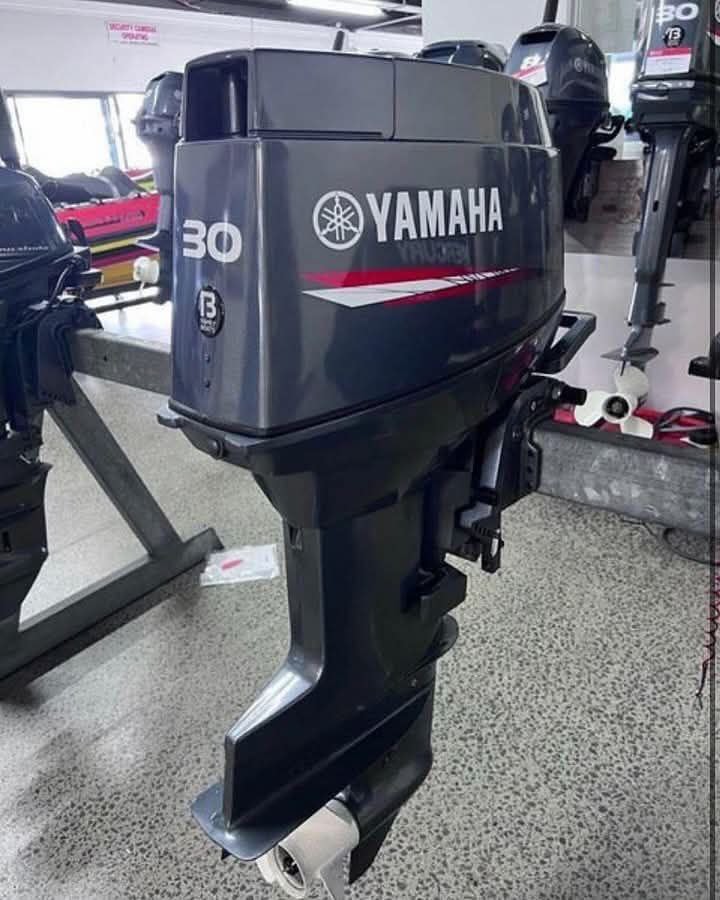
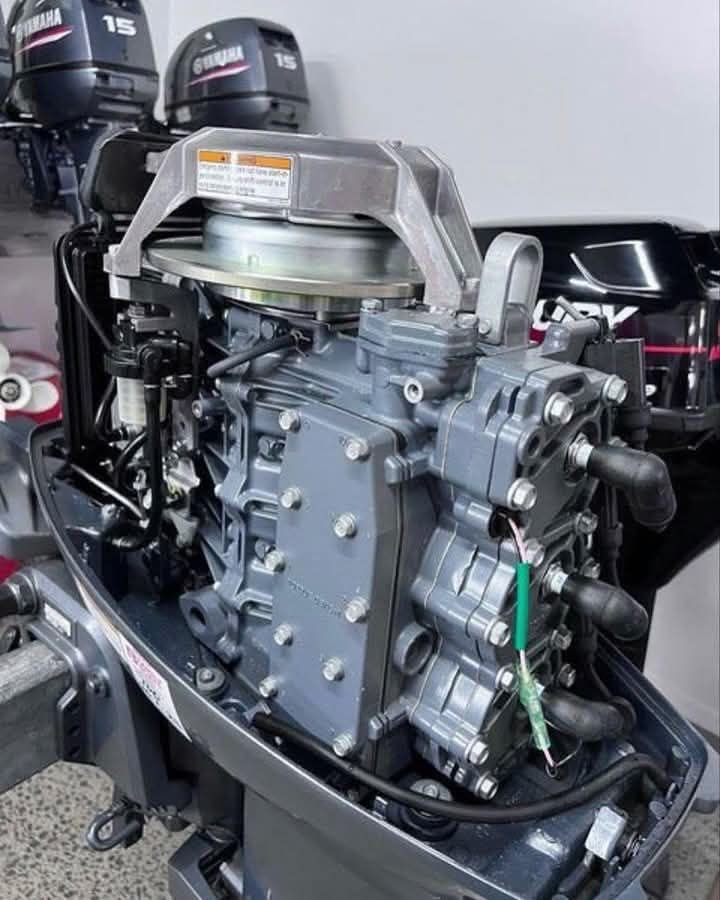
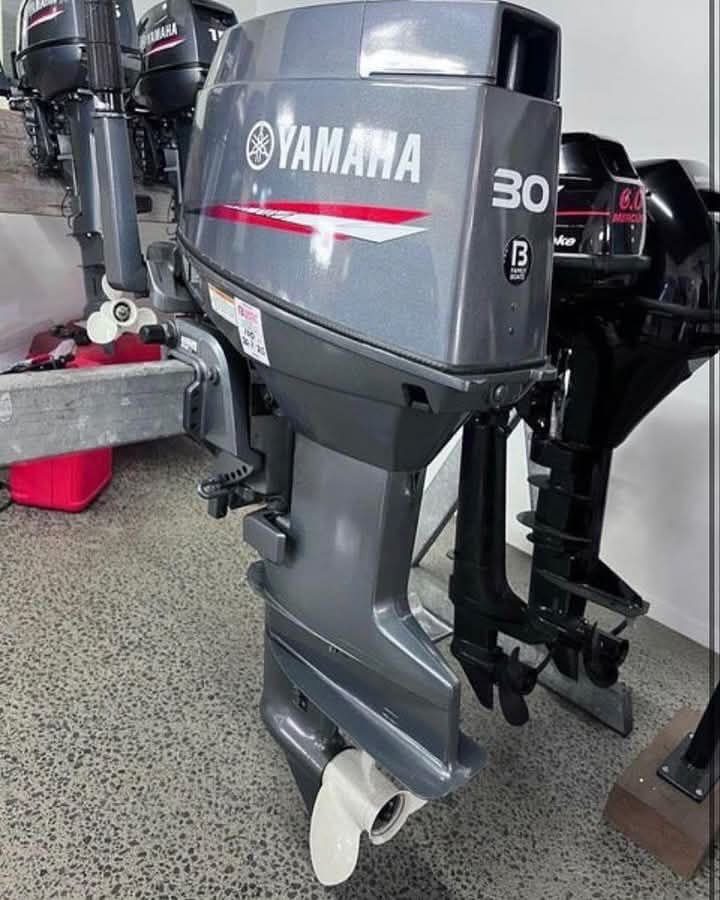
The 2014 Yamaha 30DMHS is a compact 30HP two-stroke outboard designed for small fishing boats, utility boats, workboats and other applications that need dependable mechanical simplicity without the weight of a larger four-stroke engine. The 30DMHS uses a 496cc inline three-cylinder two-stroke powerhead, carburetor fuel delivery, CDI ignition, manual starting and tiller-handle control.
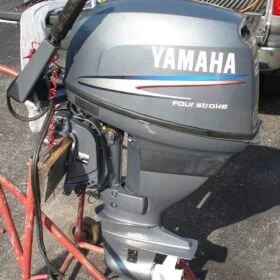
Specification clarification: the product title currently says “3 stroke,” but Yamaha’s 30D/30DMHS specification identifies this engine as a 2-stroke. The 30DMHS is also associated with the 30HP, 496cc, three-cylinder configuration.
The original listing states that this particular engine was freshly serviced and supplied with a fuel tank and fuel line. It also states that the motor had been inspected and was ready to mount and run. Those are listing-specific condition claims and should be confirmed at the time of purchase, particularly for a used marine engine.
| Specification | 30DMHS |
|---|---|
| Rated power | 30HP |
| Engine type | 2-stroke inline 3-cylinder |
| Displacement | 496cc |
| Bore x stroke | 59.5 x 59.5mm |
| Full-throttle range | 4,500–5,500 rpm |
| Fuel system | Carburetor |
| Ignition | CDI |
| Starting system | Manual pull start |
| Steering/control | Tiller handle |
| Gear positions | Forward / Neutral / Reverse |
| Gear ratio | 1.85:1 |
| Lubrication | Premixed fuel and 2-stroke oil |
| Trim and tilt | Manual |
| Short-shaft transom height | Approximately 424mm / 16.7 inches |
| Listed dry weight | Approximately 59kg / 130lb |
Published 30DMHS specifications identify a 496cc, three-cylinder, carbureted two-stroke with a 59.5mm bore and stroke, 30HP output, 4,500–5,500 rpm operating range, 1.85:1 gear ratio, manual starting, tiller control and a 424mm short-shaft transom height. The listed dry weight is approximately 59kg.
The 30DMHS gets its 30HP output from a 496cc inline three-cylinder two-stroke engine. The 59.5mm bore and 59.5mm stroke configuration provides a relatively compact powerhead while retaining the responsive characteristics associated with a small multi-cylinder two-stroke.
Yamaha’s two-stroke outboard range is designed around relatively lightweight and compact engine construction. Yamaha describes its two-stroke outboards as lightweight and compact, with a relatively simple engine structure that can make maintenance straightforward.
The Yamaha 30DMHS uses a carburetor rather than electronic fuel injection. It also uses CDI ignition and premixed fuel-and-oil lubrication. This gives the engine a comparatively straightforward fuel and ignition system, but the condition of the carburetor, fuel lines and ignition components is especially important on a used two-stroke.
Before putting a used 30DMHS into regular service, check for clean fuel delivery, reliable cold and warm starting, stable idle, proper throttle response and consistent acceleration. A carburetor that has been sitting with old fuel can require cleaning or rebuilding before the engine performs correctly.
The documented 30DMHS full-throttle operating range is 4,500–5,500 rpm. Propeller selection should be made for the actual boat, load and intended operating conditions so that the engine can reach its appropriate operating range under normal full-throttle load.
Actual speed on the water cannot be predicted from horsepower alone. Hull shape, boat weight, passenger and cargo load, propeller pitch, water conditions and engine height all affect acceleration and top speed.
The 30DMHS is a short-shaft tiller model. Published specifications identify approximately 424mm (16.7 inches) of transom height.
Before installation, measure the boat’s transom and compare it with the actual engine shaft configuration. Correct mounting height helps maintain appropriate propeller depth, cooling-water pickup and steering behavior. Do not assume that a short shaft will fit simply because another 30HP outboard fits the boat.
The 30DMHS is configured for manual pull starting and tiller-handle operation. This makes it particularly suitable for boats where the operator needs direct control at the stern and does not require a remote steering and control system.
Forward, neutral and reverse provide the basic maneuvering functions needed for fishing, utility and recreational boating. The manual trim and tilt system also keeps the configuration mechanically straightforward.
The 30DMHS uses manual trim and tilt. This allows the operator to raise the engine for shallow-water operation, launching, trailering or storage and adjust its running position without a power-trim system.
Inspect the tilt mechanism, pivot points, clamps and associated hardware on a used engine. Movement should be smooth and secure, with no obvious damage, excessive corrosion or looseness.
The original product listing describes this engine as inspected, freshly serviced and ready to mount and run, with a fuel tank and fuel line included. Because this is a used outboard, buyers should still verify the current condition before purchase rather than relying solely on the model year or service description.
The original listing states that the engine comes with a fuel tank and fuel line. Confirm exactly what is included with the sale because tanks, hoses, connectors and fittings can vary by Yamaha model, market and previous owner.
On any used two-stroke, inspect the entire portable fuel system before operation. Old fuel, degraded hoses, restricted filters and contaminated tanks can create symptoms that appear to be engine problems even when the powerhead itself is healthy.
A 30HP tiller outboard can be a practical configuration for appropriately rated fishing boats, aluminum boats, utility craft and other small vessels. The three-cylinder 496cc powerhead provides substantially more displacement than Yamaha’s smaller portable engines while retaining the relatively compact two-stroke format.
The correct application depends on the boat manufacturer’s maximum horsepower rating, transom construction, shaft length, loaded displacement and steering arrangement. Always confirm that the boat is rated for a 30HP outboard before installation.
If you need less power and lower engine weight, compare this 30HP model with the Yamaha 9.9HP 2-stroke. For a modern four-stroke portable option, see the Yamaha 9.9HP 4-stroke. For a larger four-stroke repower, the 2005 Yamaha 50HP 4-stroke EFI provides a substantially different power and installation category.
Yes. The 30DMHS is a 30HP two-stroke outboard. The “3 stroke” wording in the product title is a listing typo and should not be interpreted as a separate engine cycle.
The 30DMHS uses an inline three-cylinder powerhead. Published specifications identify three cylinders and 496cc displacement.
The Yamaha 30DMHS has 496cc of displacement with a 59.5mm bore and 59.5mm stroke.
The published full-throttle operating range is 4,500–5,500 rpm.
No. The 30DMHS uses a carburetor fuel system rather than electronic fuel injection.
The DMHS configuration is the manual-start, tiller-handle version. Yamaha’s published 30D specifications distinguish manual DMH configurations from other 30D variants that may use different starting and control arrangements.
The 30DMHS is documented with a short-shaft transom height of approximately 424mm, or 16.7 inches.
The published 30DMHS dry weight is approximately 59kg, or 130lb.
The engine uses CDI ignition.
Yes. The DMHS configuration uses manual trim and tilt rather than power trim and tilt.
It can be suitable for an appropriately rated fishing or utility boat. The final suitability depends on the hull’s horsepower rating, transom height, loaded weight, shaft length and propeller setup.
Check compression, spark, carburetion, cooling-water flow, gearcase oil, propeller condition, shifting, throttle operation, trim/tilt hardware, fuel-system condition and corrosion. A running test is strongly recommended when evaluating a used outboard.
The original listing states that the engine comes with a fuel tank and fuel line. Confirm the exact included equipment with the seller before purchase, because accessories can change.
Explore more outboard engines at Performance Engines.