$4,500.00 Original price was: $4,500.00.$4,000.00Current price is: $4,000.00.
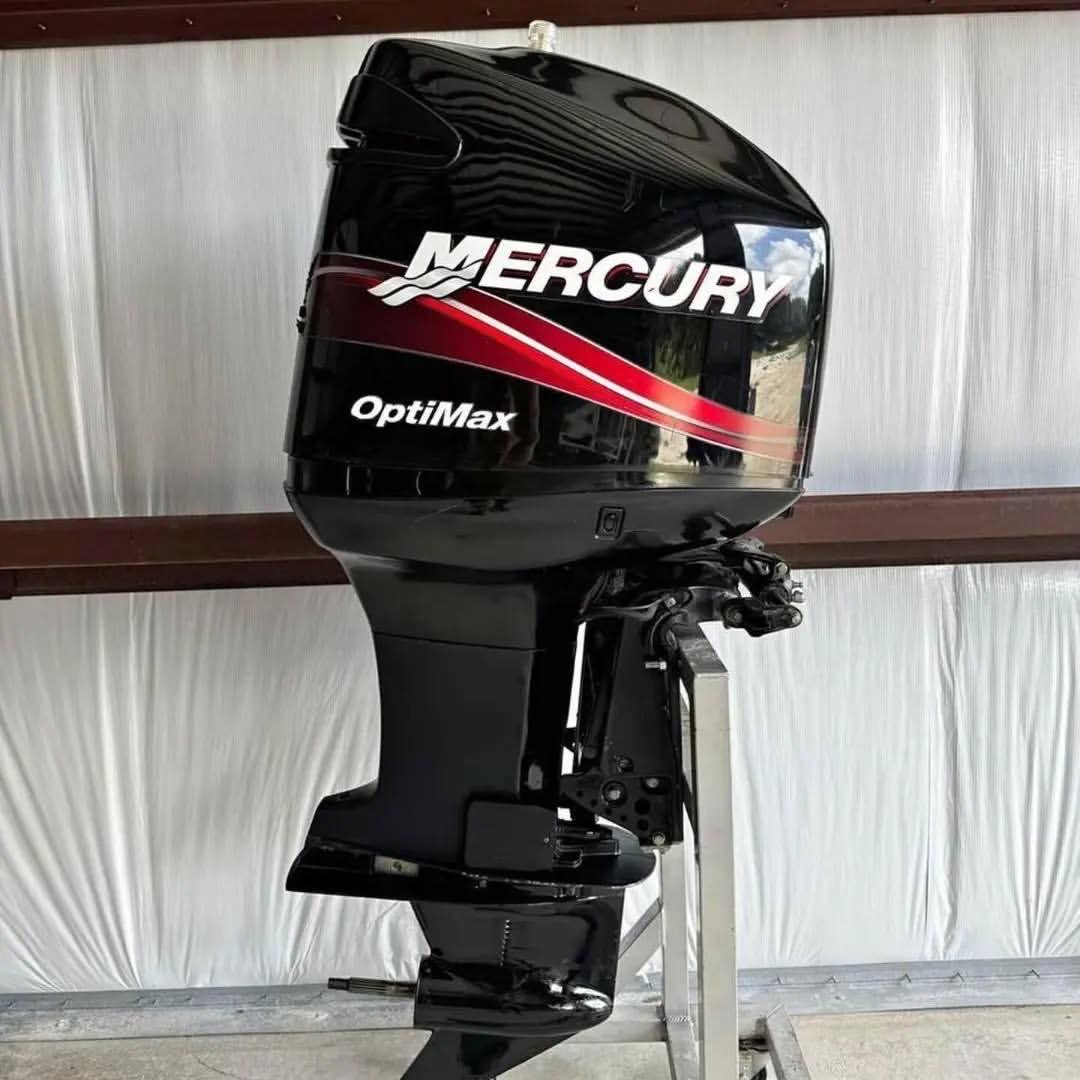
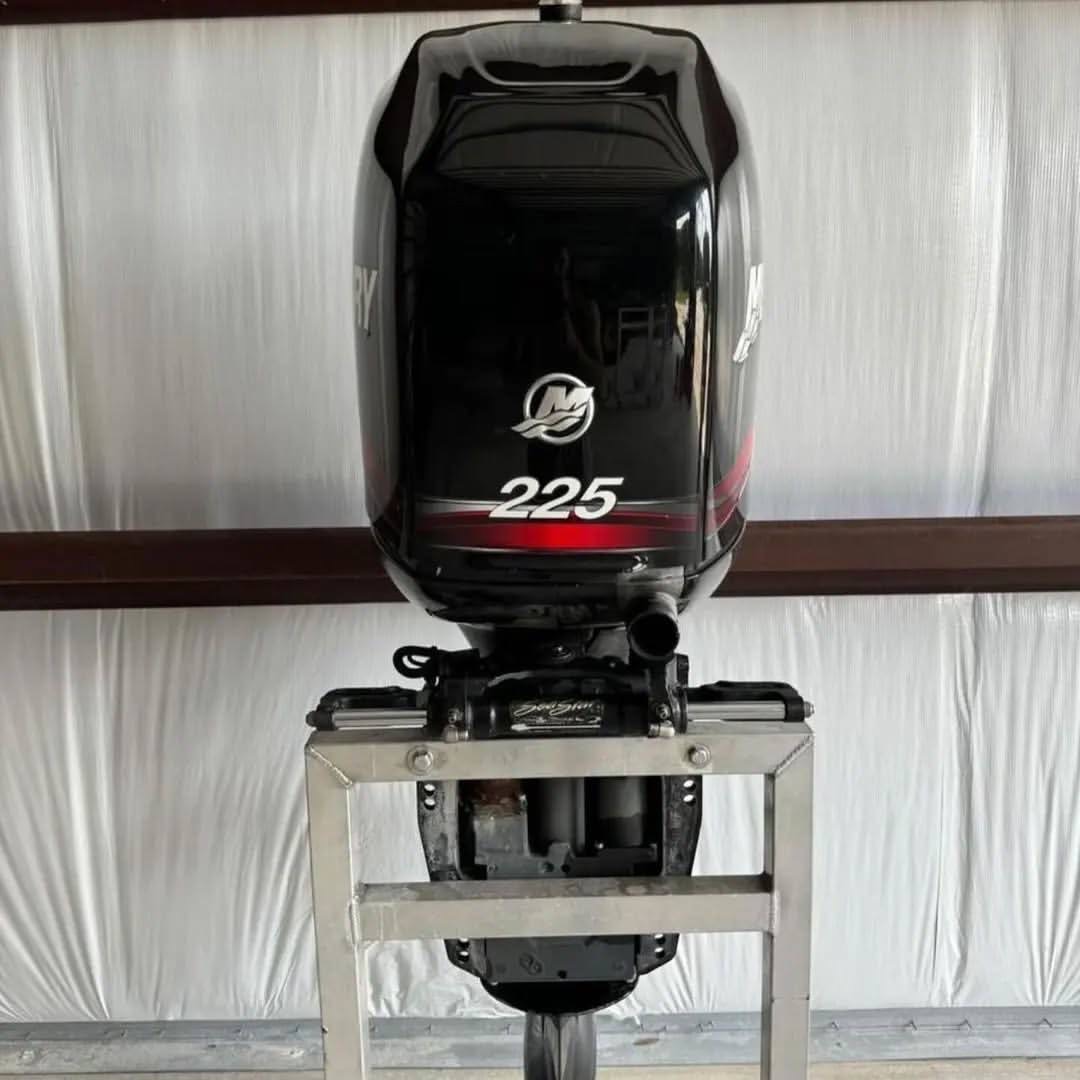
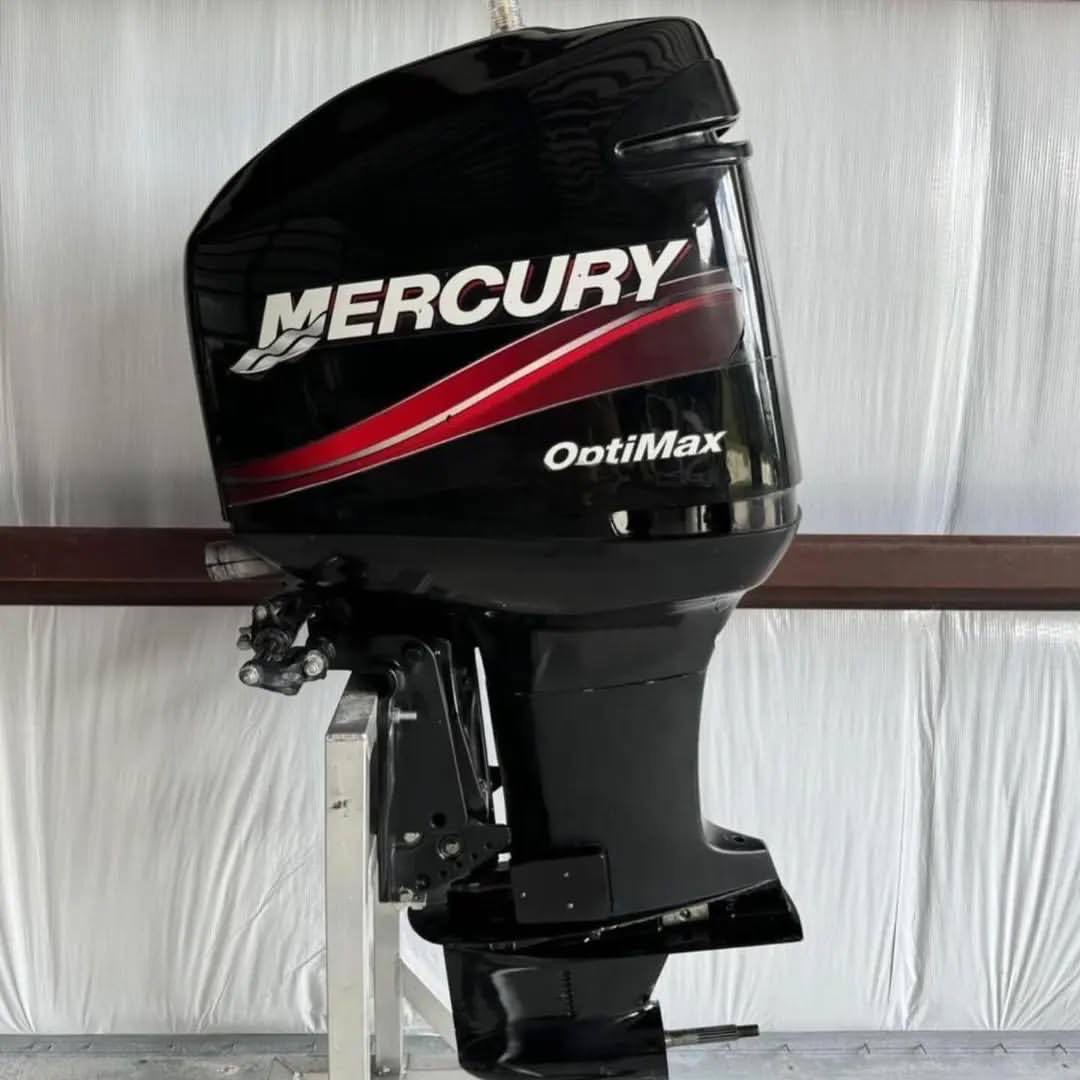
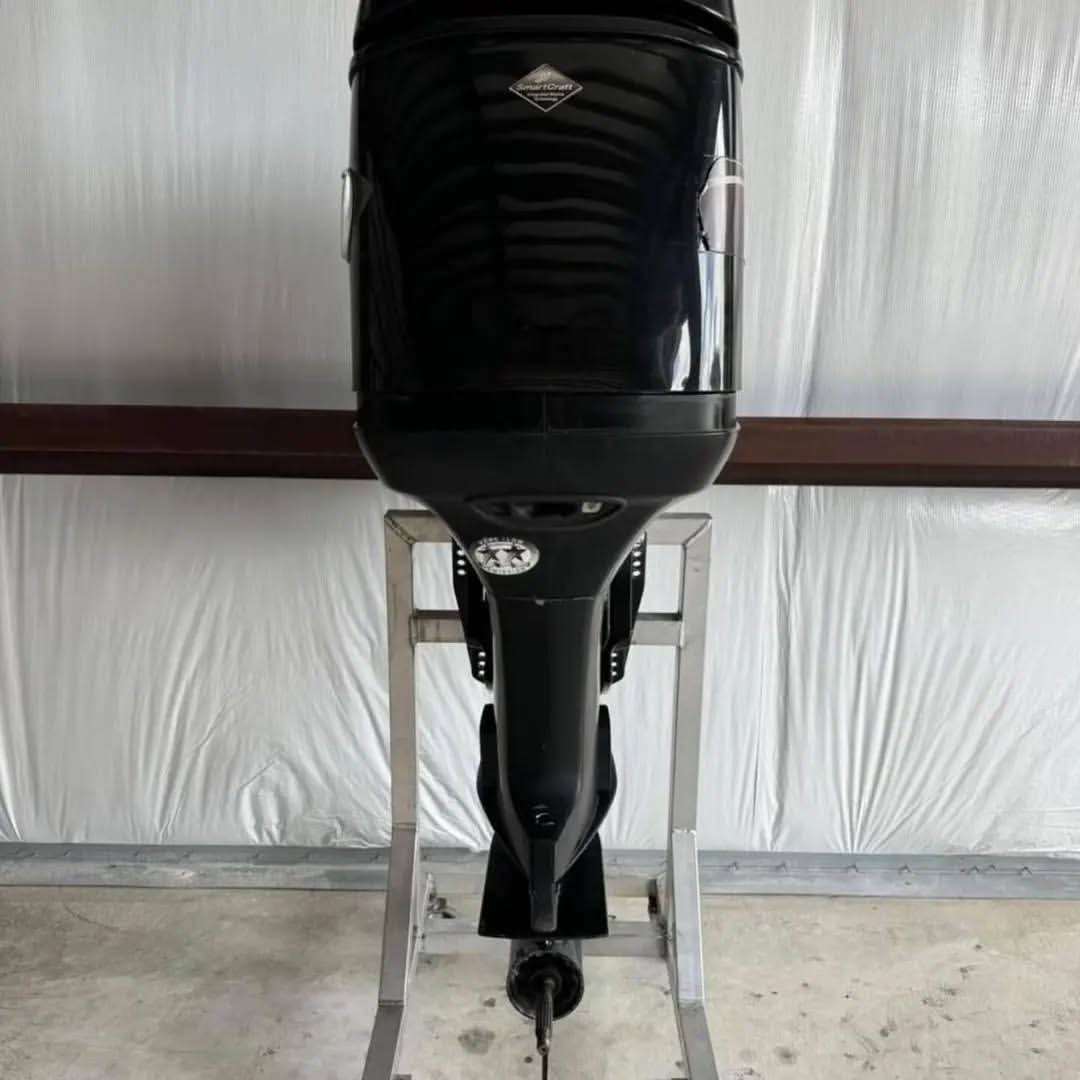
The Mercury 200HP OptiMax is a 3.0-liter V6 direct-fuel-injection two-stroke outboard built for boats that need substantial horsepower without moving to a larger-displacement engine. This configuration uses a 20-inch (508mm) shaft, electric starting, remote mechanical controls, power trim and a standard gearcase with a 1.75:1 gear ratio.
The 200HP OptiMax produces 200 horsepower (147kW) and operates across a 5,000–5,750 RPM full-throttle range. Its two-stage Direct Fuel Injection (DFI) system, SmartCraft compatibility and 60-amp charging system make it suitable for performance boating, fishing boats and repower applications where the hull is rated for 200HP.
The OptiMax 200 uses a V6 two-stroke architecture with approximately 3.0 liters of displacement. The supplied specifications identify a 92 x 76mm bore and stroke, PCM digital inductive ignition and water cooling with a thermostat and pressure-controlled system.
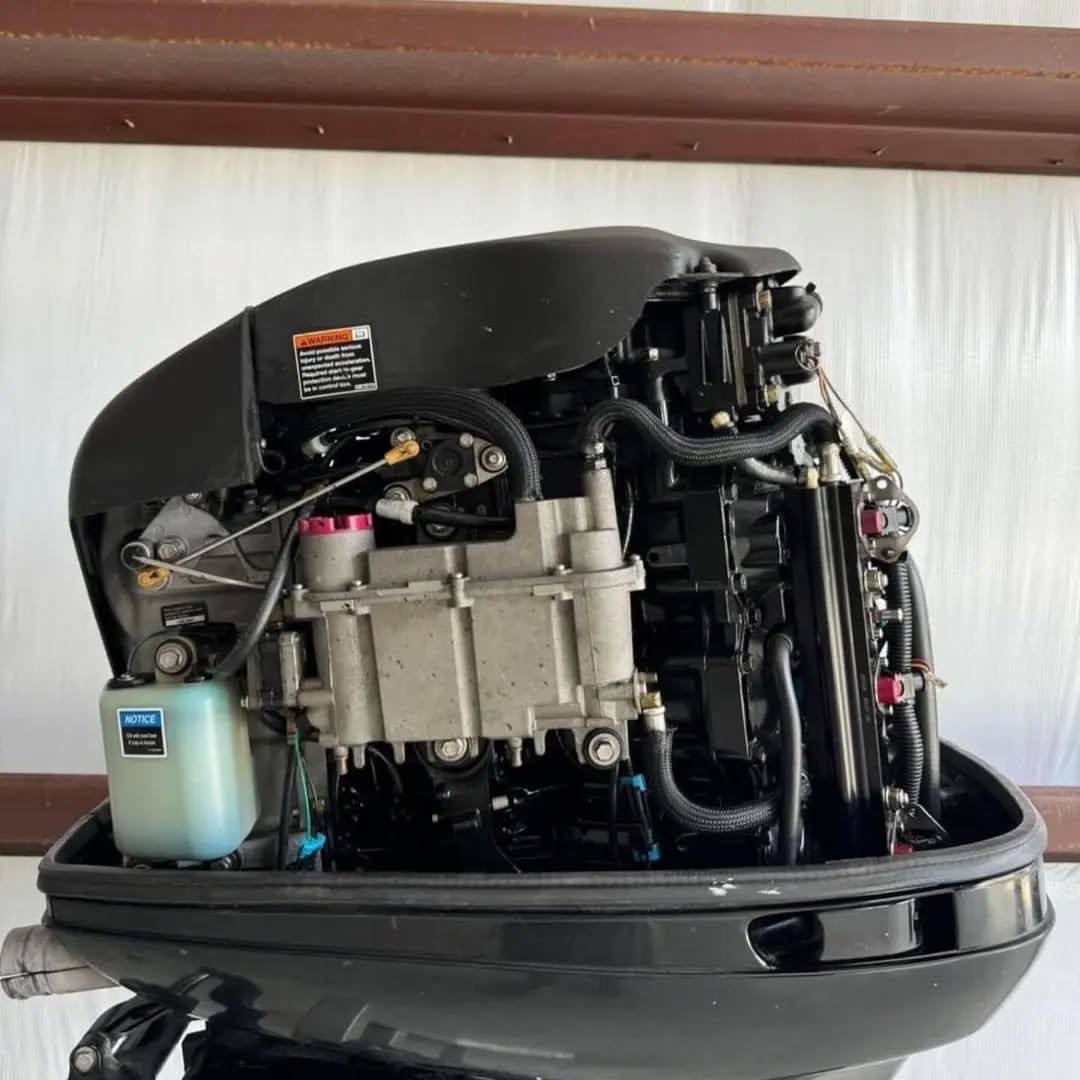
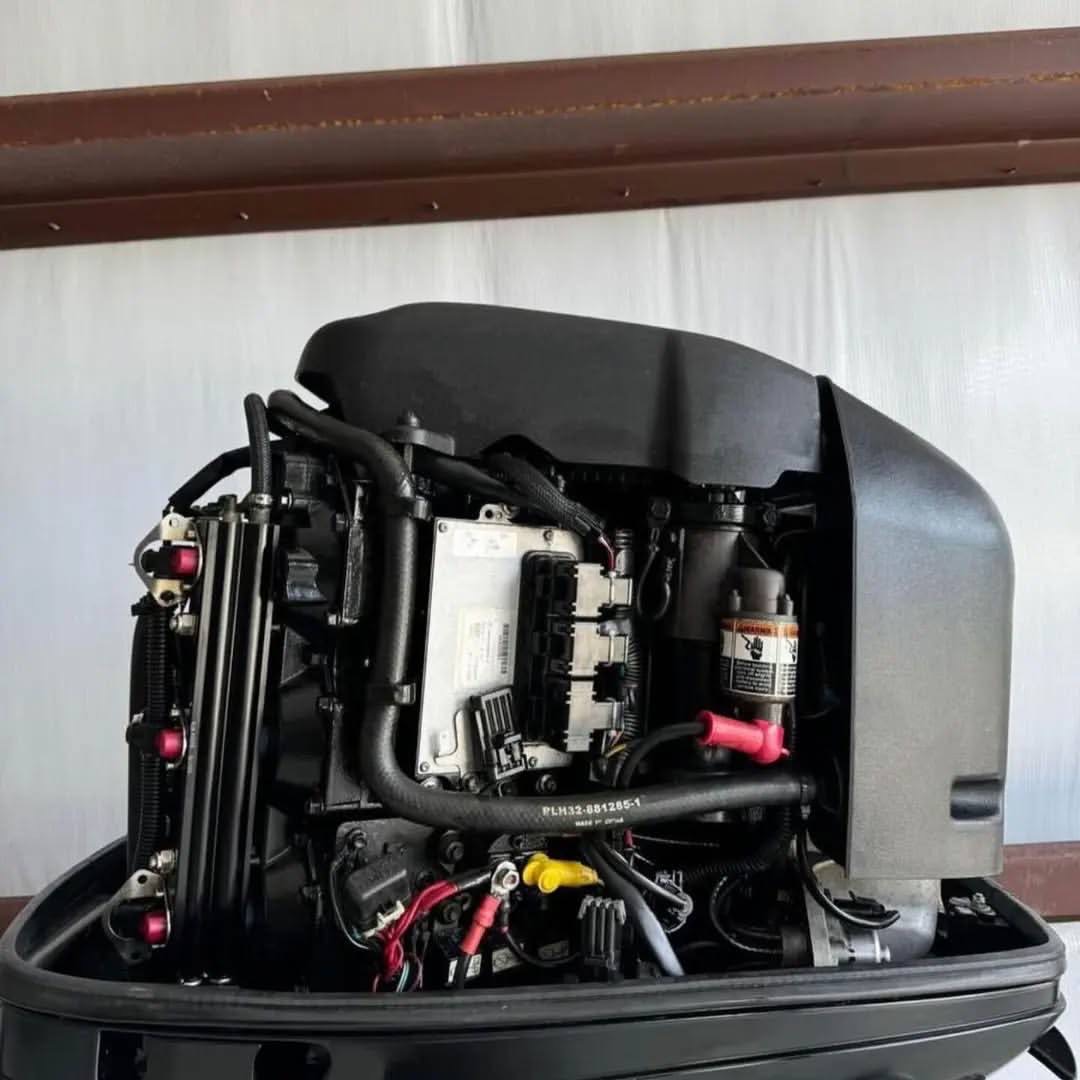
Unlike a conventional carbureted two-stroke, the OptiMax uses two-stage direct fuel injection. Fuel is delivered directly into the combustion system through the DFI system, while the engine’s electronic controls manage operating parameters and protection functions. The result is a technically more advanced fuel system than older carbureted two-stroke outboards.
| Model | Mercury 200HP OptiMax |
| Horsepower | 200HP / 147kW |
| Engine type | V6 two-stroke |
| Displacement | 3.0L |
| Cylinders | 6 |
| Bore x stroke | 3.63 x 3.00 inches / 92 x 76mm |
| Full-throttle RPM | 5,000–5,750 RPM |
| Fuel system | Two-stage Direct Fuel Injection (DFI) |
| Ignition | PCM digital inductive |
| Cooling | Water-cooled with thermostat and pressure control |
| Starting | Electric / turn-key |
| Controls | Remote mechanical |
| Steering | Remote; big-tiller compatible configuration listed |
| Shaft length | 20 inches / 508mm |
| Gear ratio | 1.75:1 |
| Gear shift | Forward-Neutral-Reverse |
| Gearcase | Standard |
| Trim | Power trim |
| Exhaust | Through propeller |
| Charging output | 60 amps / 756 watts |
| Dry weight | 505lb / 229kg, lightest model specification |
| Recommended fuel | Unleaded regular, 87 octane minimum (R+M)/2; maximum 10% ethanol |
| Recommended oil | Mercury OptiMax/DFI outboard oil |
| Engine protection | SmartCraft Engine Guardian |
| SmartCraft compatibility | Yes |
| Color | Phantom Black |
The 20-inch shaft is one of the most important specifications to confirm before purchasing this Mercury 200HP OptiMax. The shaft length needs to correspond with the boat’s transom height so the anti-ventilation plate and propeller operate at the intended depth. A 20-inch shaft is commonly identified as the long-shaft configuration, but the boat’s actual transom dimensions should always be measured before installation.
The engine’s 229kg listed lightest dry weight also needs to be considered during a repower. Check the boat manufacturer’s maximum horsepower and maximum transom weight ratings before fitting a 200HP outboard. Rigging requirements should also be checked, including remote controls, steering, battery capacity, fuel supply and the appropriate propeller.
The OptiMax 200 uses two-stage Direct Fuel Injection rather than a traditional carburetor. The supplied Mercury specifications identify compatibility with SmartCraft digital technology and an Engine Guardian protection system. These features allow the engine to monitor operating conditions and provide electronic information through compatible instrumentation.
The 60-amp, 756-watt charging system provides electrical output for the boat’s onboard electrical requirements. Exact available electrical capacity depends on the boat’s wiring, battery system and installed equipment, so the alternator rating should not be interpreted as the continuous power available to every accessory.
Power trim allows the operator to adjust the engine angle while underway and when setting the boat up for different operating conditions. The standard gearcase uses a 1.75:1 reduction ratio and Forward-Neutral-Reverse shifting, while the exhaust exits through the propeller.
Propeller selection should be made around the boat, load and target operating RPM rather than choosing a propeller based only on horsepower. With the specified full-throttle range of 5,000–5,750 RPM, the final propeller should allow the engine to operate within the manufacturer’s recommended range under the boat’s normal loaded condition.
The supplied specifications call for unleaded regular gasoline with a minimum 87 octane rating using the (R+M)/2 method, with ethanol limited to a maximum of 10%. Mercury OptiMax/DFI outboard oil is specified for lubrication. Fuel and oil requirements can vary by exact model year and engine serial number, so the engine’s applicable Mercury manual should take precedence when servicing a specific motor.
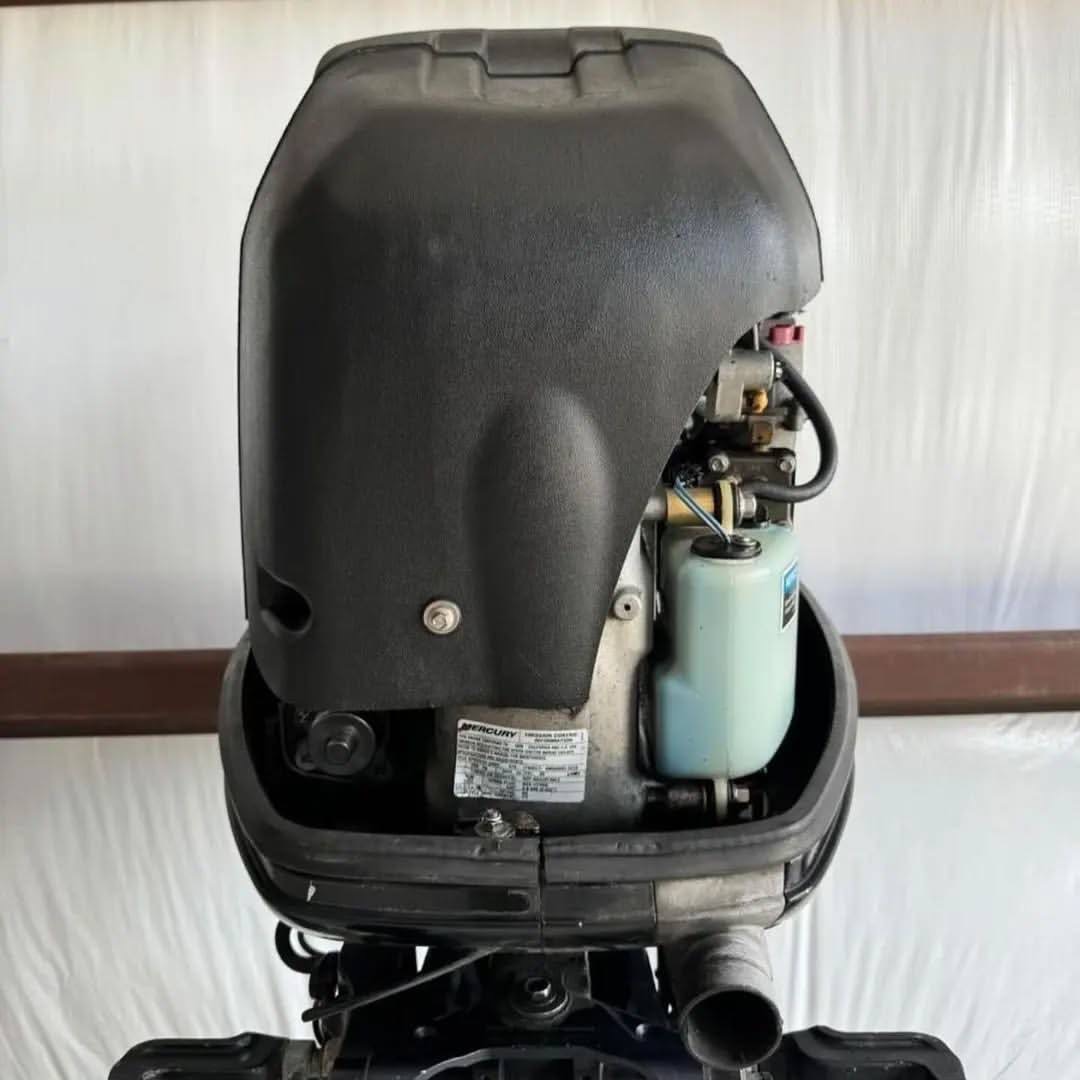
Owners of used OptiMax engines should pay particular attention to the fuel system, air and fuel delivery components, cooling system, gearcase lubricant, spark plugs, battery and electrical connections. A professional inspection is especially useful when purchasing a used 200HP direct-injection outboard.
When buying a used Mercury 200HP OptiMax, verify the engine serial number, model configuration, shaft length, compression condition, service history and hours where available. Inspect the gearcase for impact damage and water contamination, check the propeller and shaft, and confirm that the cooling-water indicator and engine warning systems operate correctly.
Because OptiMax engines use electronic engine management and direct fuel injection, a diagnostic scan can provide useful information that a visual inspection cannot. Battery condition, electrical connections, fuel quality and the condition of the DFI system should also be considered before putting a used engine into service.
If you are comparing Mercury options, the Mercury 225HP EFI Outboard provides a higher-output V6 alternative, while the Mercury SeaPro V8 225HP represents a newer four-stroke platform. For smaller applications, the Mercury 8MH is a compact portable outboard.
The Mercury OptiMax model covered here produces 200HP, equivalent to 147kW.
The engine is a 3.0-liter V6 two-stroke with six cylinders. Historical Mercury specifications identify approximately 3,032–3,048cc depending on the specification document and model documentation.
The specified full-throttle operating range is 5,000–5,750 RPM.
Yes. The OptiMax uses a two-stage Direct Fuel Injection (DFI) system rather than a conventional carbureted fuel system.
This listing specifies a 20-inch (508mm) shaft. Confirm the actual shaft measurement on a used engine before purchase and installation.
The supplied specification lists 505lb (229kg) as the lightest available model weight. Actual weight can vary with shaft length, equipment and configuration.
The standard gearcase uses a 1.75:1 gear ratio. Some Mercury documentation also identifies a high-altitude gearcase ratio, so the exact gearcase should be confirmed on the engine being purchased.
Yes. The specification for this configuration lists power trim as standard.
The supplied specification calls for unleaded regular gasoline with a minimum 87 octane rating using the (R+M)/2 method and a maximum of 10% ethanol.
Mercury OptiMax/DFI outboard oil is specified. For a particular used engine, follow the oil specification in the manual matching its model and serial number.
Yes. The supplied specifications identify the 200 OptiMax as compatible with SmartCraft digital technology and list SmartCraft Engine Guardian as part of the engine protection system.
It can be suitable for a boat that is specifically rated for 200HP and can accommodate the engine’s weight, shaft length and rigging requirements. Confirm the boat’s maximum horsepower and transom weight ratings before installation.
The Mercury 200HP OptiMax combines a 3.0L V6 two-stroke engine, two-stage DFI, 200HP output, a 20-inch shaft and power trim in a high-output outboard package. For a compatible boat, its specifications make it a potential option for performance, fishing and repower applications. Contact Performance Engines to confirm current availability, exact configuration and condition before purchase.
Explore more outboard engines at Performance Engines.