

$6,000.00 Original price was: $6,000.00.$5,000.00Current price is: $5,000.00.
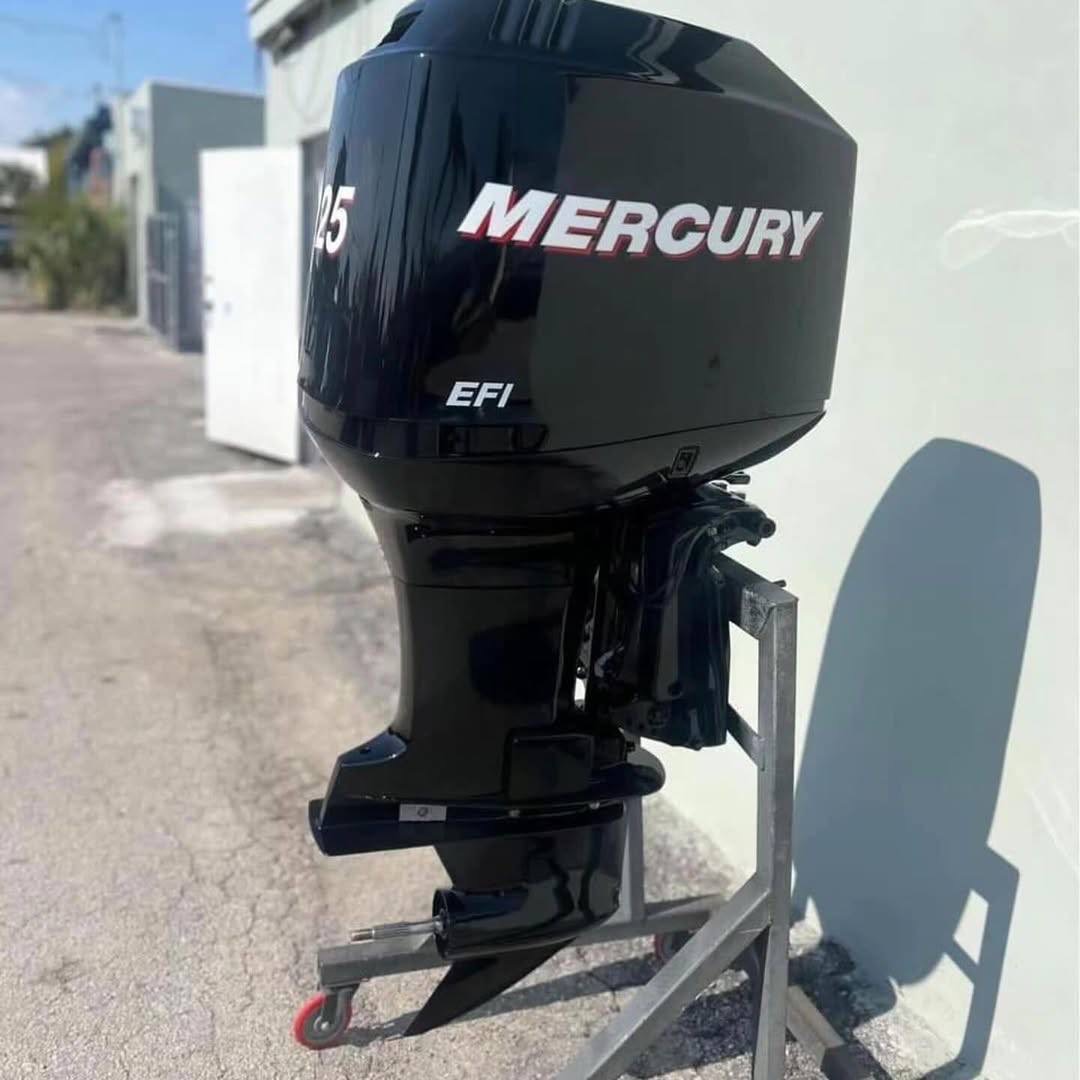
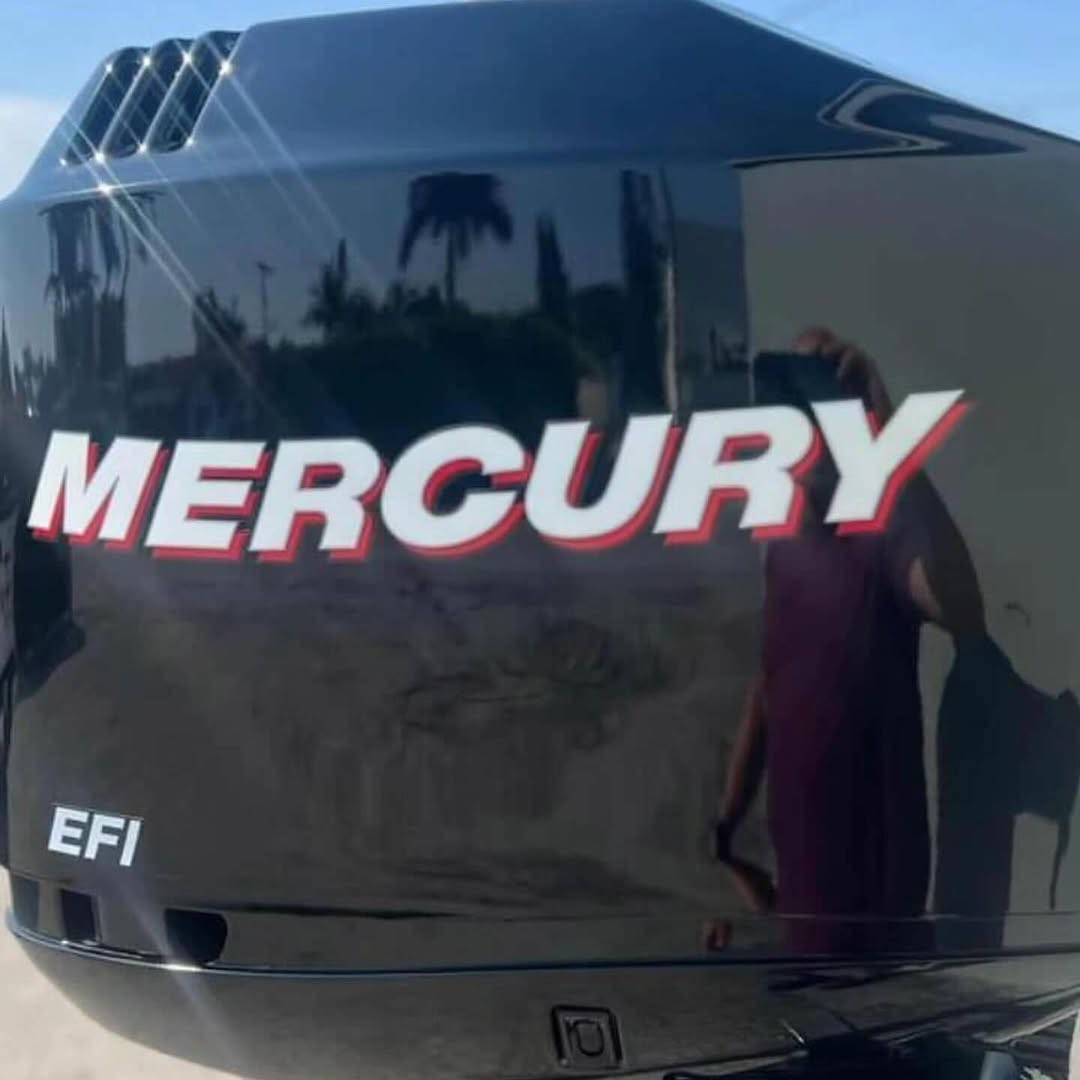
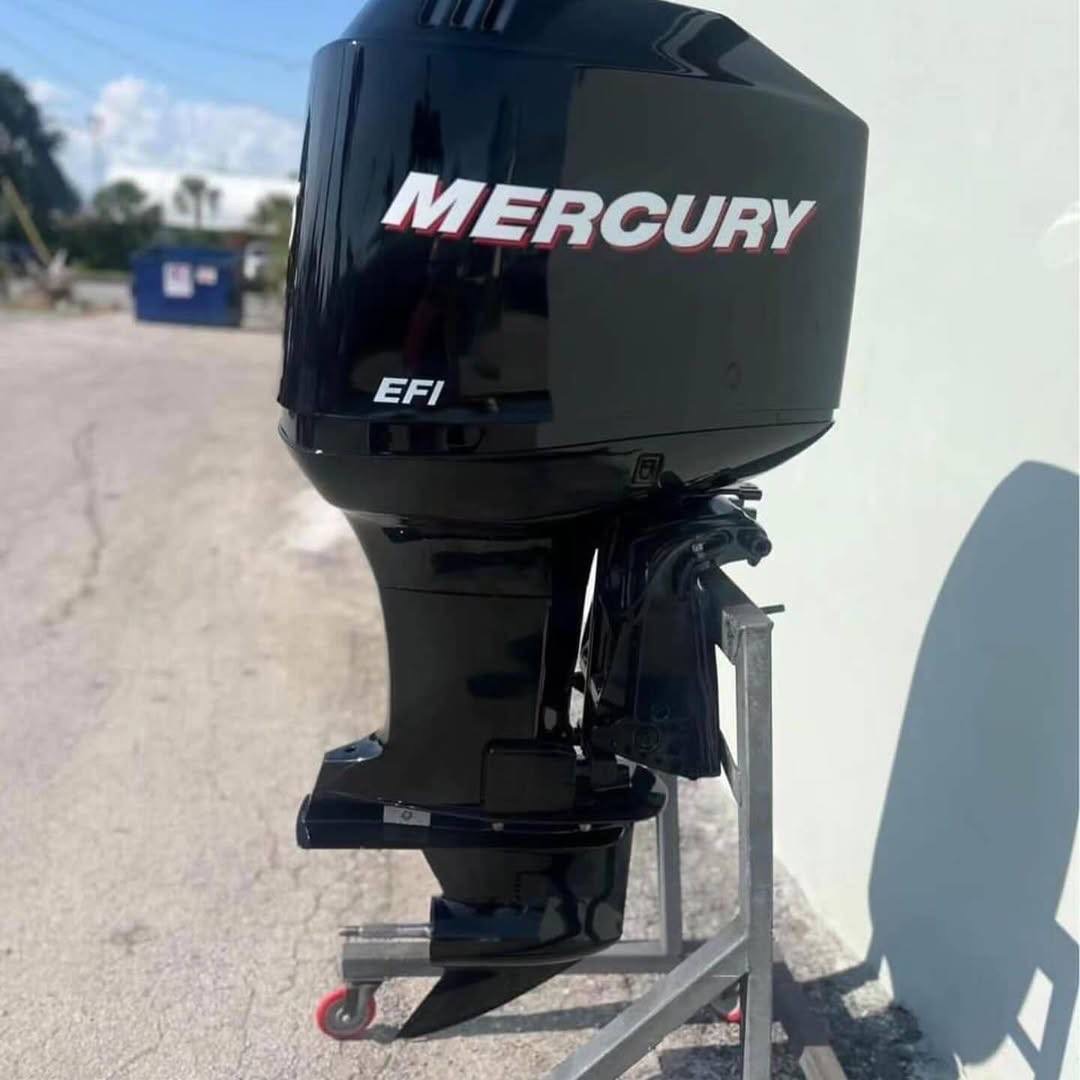
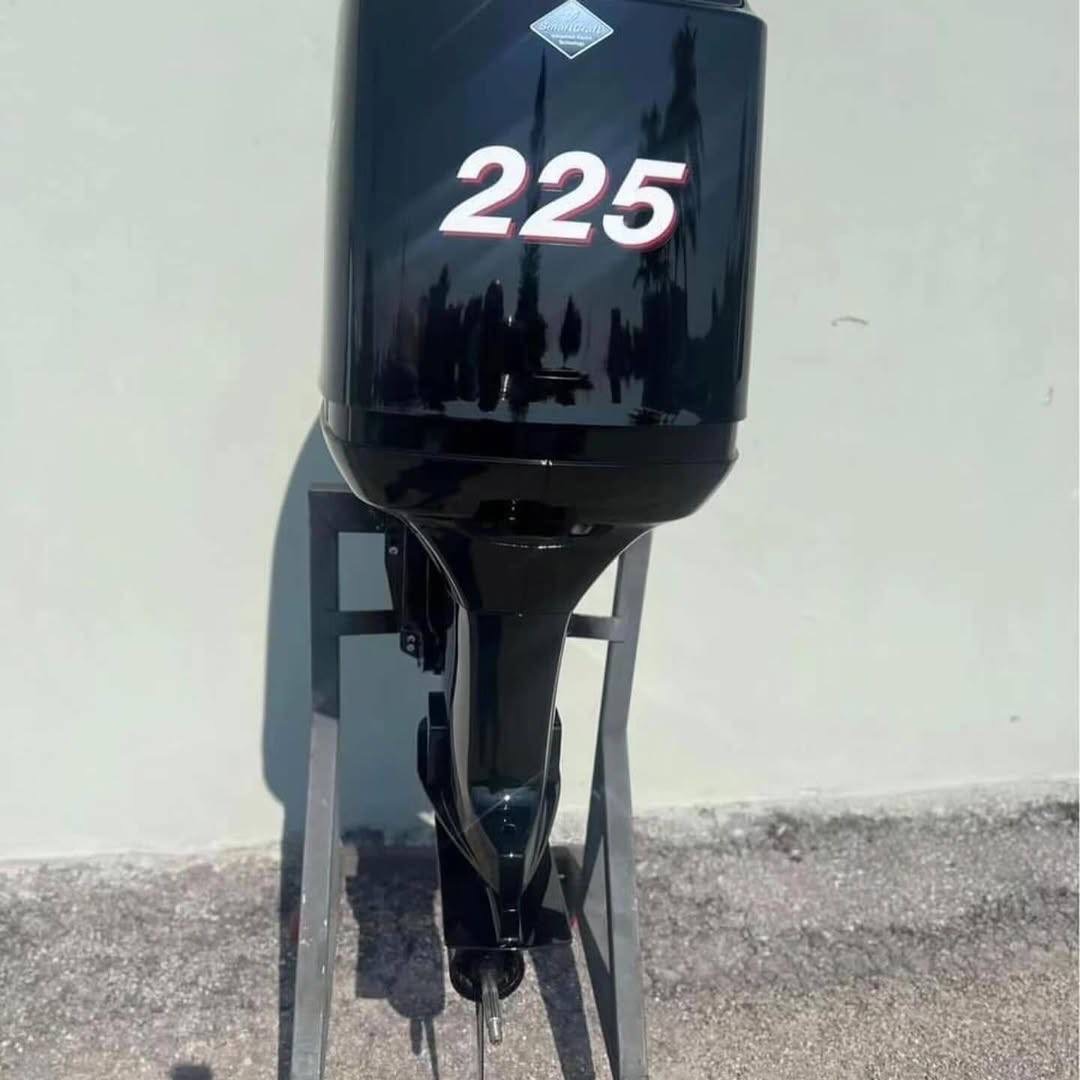
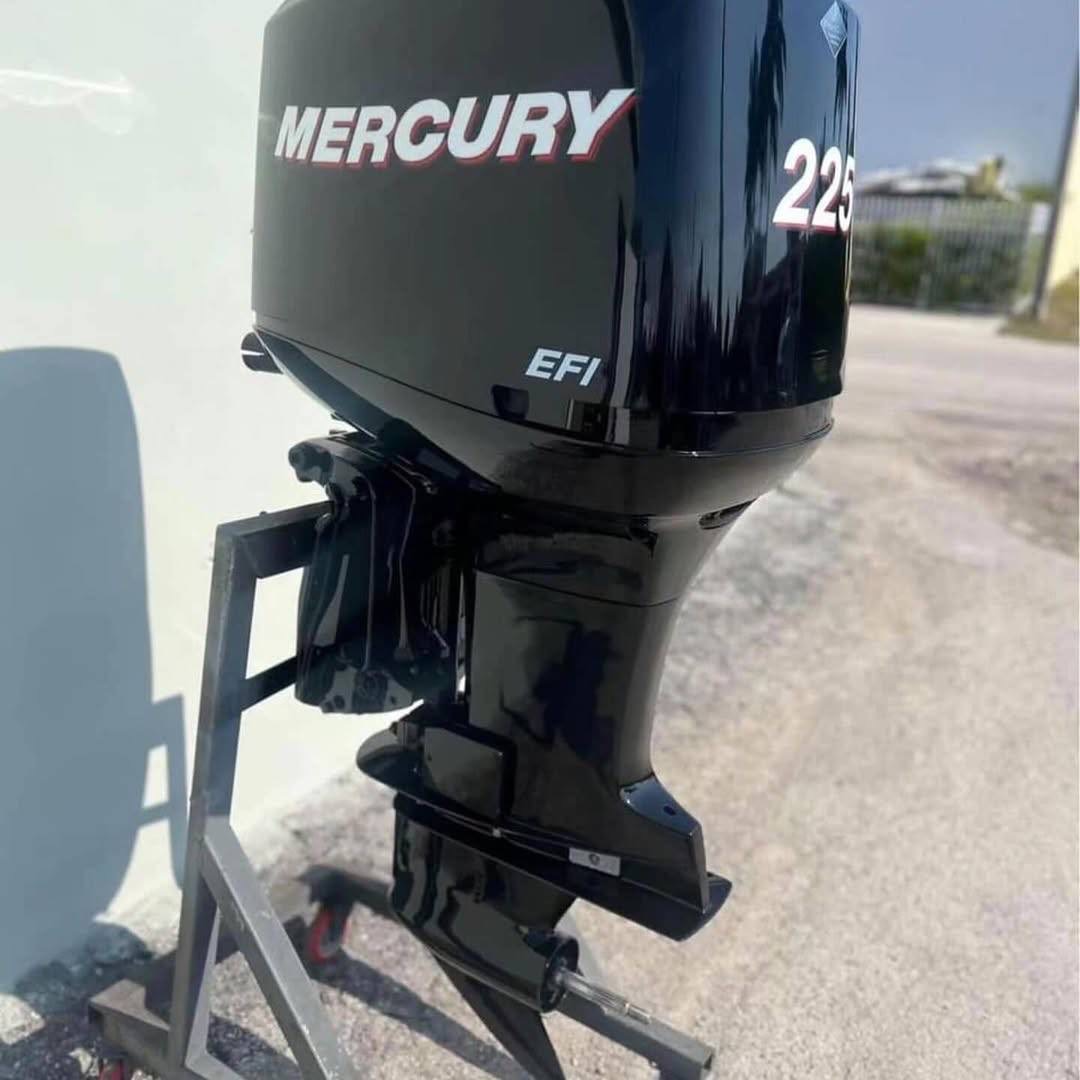
The 2004 Mercury 225 EFI outboard motor is a high-output 3.0-liter-class marine engine built around a 60-degree V6 powerhead and electronic fuel injection. This 225HP Mercury outboard is configured for larger boats that require substantial propulsion, remote steering, electric starting, and power trim. The listing specifies a 20-inch shaft, 1.75:1 gear ratio, 60-amp belt-driven alternator, and a dry weight of approximately 479 pounds.
For buyers looking for a classic Mercury 225 EFI rather than a modern four-stroke, the specifications on this page identify a mechanically straightforward high-horsepower package with electronic fuel injection, variable-ratio oil injection, remote controls, and a conventional F-N-R gear system. As with any older high-horsepower outboard, compatibility with the hull, transom, controls, rigging, and intended operating environment should be confirmed before purchase.
| Specification | 2004 Mercury 225 EFI |
|---|---|
| Horsepower | 225 HP / 168 kW |
| Engine configuration | 60-degree V6 |
| Displacement | 185 cu. in. / 3,032cc |
| Bore x stroke | 3.63 x 3.00 in. / 92 x 76 mm |
| Full-throttle RPM | 5,000–5,800 RPM |
| Fuel induction | Loop-charged electronic fuel injection |
| Exhaust | Through propeller |
| Lubrication | Single-point variable-ratio oil injection |
| Cooling system | Water-cooled with thermostat and pressure control |
| Ignition | Modular CDI with computer control |
| Starting | Electric, turnkey |
| Alternator | Belt-driven 60 amp / 756 watt with voltage regulator |
| Gear ratio | 1.75:1 |
| Gear shift | Forward-Neutral-Reverse |
| Steering | Remote |
| Trim system | Power trim |
| Shaft length | 20 in. / 508 mm |
| Dry weight | 479 lbs. / 218 kg |
| Warning systems | Overheat and low oil level |
The Mercury 225 EFI uses a 60-degree V6 configuration with 185 cubic inches (3,032cc) of displacement. Its 225 horsepower rating places it in the high-output outboard category and makes it appropriate for boats designed and rated for this level of propulsion.
The listed full-throttle operating range is 5,000 to 5,800 RPM. Propeller selection should be based on the actual boat, load, gearcase configuration, and operating conditions, with the engine reaching the manufacturer’s specified RPM range at wide-open throttle when correctly installed and loaded.
This Mercury 225 is equipped with loop-charged electronic fuel injection. EFI provides electronically controlled fuel delivery rather than a conventional carburetor arrangement. The fuel system should be kept clean and supplied with appropriate fuel, with particular attention to fuel quality and storage on an older engine.
Because this is a 2004 engine, buyers should evaluate the complete fuel system during inspection. Fuel lines, filters, pumps, injectors, connectors, wiring, and related components should be checked for age, contamination, deterioration, or previous repairs before putting a used engine into regular service.
The specification for this 225 EFI identifies a single-point variable-ratio oil-injection system. This is an important distinction from a modern four-stroke outboard because the engine’s lubrication system is designed around two-stroke operation and dedicated marine oil injection.
When evaluating an older Mercury 225 EFI, the oil reservoir, oil lines, pump operation, warning system, and associated components deserve careful inspection. Correct lubrication is essential to protecting the V6 powerhead, particularly when the engine is operated under sustained load.
The 2004 Mercury 225 EFI is configured for remote steering rather than tiller operation. It also uses turnkey electric starting and power trim. These features make the engine appropriate for a conventional helm-controlled installation on a larger boat.
The F-N-R gear system provides forward, neutral, and reverse operation. Power trim allows the operator to adjust the engine’s running position from the helm, helping accommodate changing boat load and operating conditions. The exact control box, harness, gauges, steering system, and rigging should be confirmed for the specific engine being purchased.
This listing specifies a 20-inch shaft, or approximately 508mm. Shaft length is a critical fitment measurement because the engine must sit correctly on the boat’s transom for the gearcase and propeller to operate at the intended depth.
Before purchasing, measure the boat’s transom and confirm the manufacturer’s recommended shaft length. Also verify the hull’s maximum horsepower rating, transom capacity, steering arrangement, mounting hardware, and compatibility with the required remote controls and rigging.
The listed Mercury 225 EFI uses a belt-driven 60-amp alternator rated at 756 watts with a voltage regulator. This provides electrical charging capability for the boat’s battery and onboard electrical equipment while the engine is operating.
Electrical output is especially relevant on boats using navigation electronics, pumps, communications equipment, lighting, and other accessories. When installing an older outboard, inspect the charging system, wiring, connections, regulator, and battery cables rather than assuming that the system will perform like a new installation.
The engine uses a water-cooled system with a thermostat and pressure control. The listed operator warning systems include protection for overheat and low oil level. These warning functions are important on a high-output outboard because cooling and lubrication problems can quickly become serious under load.
Before operation, verify adequate cooling-water flow and inspect the cooling system according to the applicable Mercury service information. Warning systems should never be ignored; an alarm or abnormal operating condition should be investigated before continued use.
The listed dry weight of the 2004 Mercury 225 EFI is approximately 479 pounds (218 kg). This is a substantial outboard, so transom capacity and weight distribution are important installation considerations.
The actual installed weight will be affected by rigging, controls, steering components, propeller, fuel connections, batteries, and other equipment. Buyers repowering an existing boat should compare the complete installation with the boat manufacturer’s transom and maximum-weight specifications.
The specification sheet lists compatibility with several Mercury propeller families, including Black Max, Vengeance, Laser II, Mirage Plus, Tempest Plus, Trophy Plus, High Five, Offshore P.S., QA3, QSS, QS2000, and QS3000. The correct propeller is not determined by horsepower alone; pitch, diameter, boat hull, gear ratio, load, and target RPM all matter.
The 1.75:1 gear ratio should also be considered when selecting a propeller and evaluating a repower. A propeller that is appropriate for another Mercury 225 configuration should not automatically be assumed to be correct for this engine.
Because this is an older high-horsepower outboard, a careful inspection is particularly important. Buyers should verify compression and overall powerhead condition, inspect the fuel and oil systems, check cooling-water operation, inspect the gearcase and propeller, test the charging system, and confirm that the remote controls and power trim operate correctly.
Serial-number-specific information should also be confirmed before ordering replacement parts or planning a repower. Mercury produced multiple 225HP configurations, including EFI and Optimax variants, so identifying the exact engine from its serial number helps prevent ordering incompatible parts.
If you are comparing this high-horsepower Mercury with other engines in the Performance Engines catalog, you can also review the 2023 Mercury 8MH for a compact 8HP option. For a mid-range Mercury outboard, see the Mercury 60HP Long Shaft EFI ELPT.
The engine is rated at 225 horsepower (168 kW). The listing identifies it as a 60-degree V6 with 185 cubic inches (3,032cc) of displacement.
This Mercury 225 EFI is a two-stroke V6 configuration using variable-ratio oil injection. It should not be confused with newer four-stroke Mercury 225 outboards.
The listed configuration uses a 20-inch shaft (508mm). Confirm the boat’s transom measurement and required shaft length before installation.
The listed dry weight is approximately 479 pounds (218 kg). Installed weight will be higher after rigging and other equipment are included.
Yes. The 2004 model listed here uses loop-charged electronic fuel injection.
Yes. The listed engine configuration includes power trim and remote steering.
The listed gear ratio is 1.75:1. Propeller selection should take this ratio and the boat’s actual operating requirements into account.
Yes. The specifications list a belt-driven 60-amp, 756-watt alternator with voltage regulation.
The listed full-throttle operating range is 5,000–5,800 RPM. Actual RPM depends on propeller selection, boat loading, hull design, and installation condition.
No. The product information identifies this engine as the 225 EFI. Mercury also produced 225 Optimax models, which use a different fuel and air-induction design. Confirm the exact model and serial number when purchasing parts or planning a repower.
Explore more outboard engines at Performance Engines.
Preston Holloway –
Bolted this 225 EFI onto my 24-foot SeaVee center console and the acceleration nearly threw me off the helm. The V6 two-stroke with electronic fuel injection fires up instantly — no choking, no primer bulb pumping, just turn the key and go. I came off an older carbureted 200 and the throttle response on this Mercury is in a completely different league. The mid-range punch between 3500 and 4500 RPM is where this powerhead truly separates itself, pulling the boat through heavy chop without any hesitation or bogging. Pace Performance sent detailed compression readings and a lower unit pressure test before I committed, which gave me total confidence buying a twenty-year-old motor.
Yvonne Blackwood –
My husband repowered our 23-foot Grady-White with this Mercury 225 and the performance upgrade from our tired 175 was dramatic. Top speed jumped from 38 to 49 mph and the hole shot is now under three seconds with a full load of fishing gear. I’m docking a star because the EFI system threw a warning code during our third outing — turned out to be a corroded connector on the fuel rail that my husband cleaned up with contact spray in about ten minutes. Since that fix, the motor has been flawless for the past fourteen months. Just be prepared to inspect the wiring harness carefully on a motor of this vintage.
Colton Reeves –
I run a 25-foot Contender offshore out of Cape Canaveral and this 225 EFI pushes the hull through six-foot Atlantic swells like they’re speed bumps. The electronic fuel injection maintains a perfect air-fuel ratio regardless of the sea state, which means the engine never stumbles when the bow drops into a trough and the RPM suddenly loads up. Fuel burn at my typical 32-knot cruise sits around 11 GPH, which is respectable for a two-stroke of this era and gives me over 150 miles of range on my 60-gallon tank. The powerhead has over 600 hours on it since I bought it from Pace Performance and compression is still strong across all six cylinders.
Sabrina Voss –
I’m a 52-year-old woman who fishes a 22-foot center console solo on the Chesapeake Bay, and this Mercury 225 gives me the confidence to run 25 miles offshore to the reef lines without worrying about the engine letting me down. The EFI starting is foolproof — the motor catches on the first crank every single morning, whether it’s a humid July dawn or a brisk October afternoon. The V6 torque handles the heavy Bay chop effortlessly, and the fuel economy is better than I expected from a two-stroke, averaging about 2.1 miles per gallon at cruise. Pace Performance packed the motor incredibly well and it arrived without a single scratch.
Mitchell Crane –
As a marine mechanic with eighteen years of experience, I can tell you the 2004 Mercury 225 EFI is one of the most robust V6 two-strokes Mercury ever produced. The sequential fuel injection system is far more reliable than the carbureted setups it replaced, and the 3.0-liter powerhead is overbuilt for the 225-horsepower rating, which means the internal components experience less stress and last longer. I bought this particular unit from Pace Performance for my personal 24-foot Pro-Line and tore it down completely before installation — the crankshaft bearings, piston rings, and reed valves were all in excellent condition despite the motor’s age.
Alana Petrov –
We cruise the Intracoastal Waterway on our 26-foot Sea Ray and the Mercury 225 EFI is the smoothest two-stroke I’ve ever experienced. The EFI system eliminates the rough idle and hesitation that plagued our old carbureted outboard, and the power delivery is linear and predictable from idle to wide open throttle. At our typical 28-knot cruise, the engine is surprisingly quiet for a two-stroke — we can hold a conversation at the helm without shouting. The fuel economy is about 10 GPH at cruise, which is a significant improvement over the 14 GPH our old carbureted 225 used to burn.
Darius Whitmore –
Plenty of power and the EFI is a huge step up from carburetors, but I want to flag a maintenance item for prospective buyers. The stator on these 2004 models is known to weaken after 800 to 1,000 hours, and mine started showing low charging voltage around the 900-hour mark. A new stator cost me about $250 plus labor, which wasn’t catastrophic but was an unexpected expense. Since the replacement, the charging system has been rock solid and the engine runs better than ever. The 225 EFI is a fantastic motor — just budget for a stator replacement if the hour count is getting up there.
Tessa Langley –
My family owns a 24-foot walkaround that we use for weekend fishing trips off the New Jersey coast, and this Mercury 225 EFI has been the backbone of our boating life for the past three seasons. The engine handles the rough Atlantic inlet conditions beautifully, maintaining steady RPM through the heavy chop at Barnegat Inlet without any surging or power loss. The EFI cold-start performance is outstanding — even on those raw November mornings when the air temperature is in the low 40s, the motor fires instantly and settles into a smooth idle within seconds. The fuel efficiency at trolling speed is about 3 GPH, which lets us chunk for stripers all day without burning through the tank.
Warren Finch –
I bought this 225 EFI from Pace Performance to repower my 22-foot Mako after my old Yamaha F200 developed a cracked block. The Mercury weighs about 80 pounds less than the four-stroke Yamaha it replaced, which dramatically improved the stern weight and handling of my lightweight Mako hull. The boat now rides level, turns sharply, and accelerates with an urgency that the heavier four-stroke never delivered. The EFI system is dead reliable and the fuel economy at cruise is roughly 2.0 MPG, which is comparable to the four-stroke despite the Mercury being a two-stroke design.
Camille Dubois –
I operate a snorkeling charter out of Key West and the Mercury 225 EFI on my 25-foot catamaran is the perfect engine for my business. The EFI system burns fuel so completely that there’s virtually no visible exhaust haze, which means my guests aren’t coughing or complaining about fumes while they’re gearing up on the swim platform. The quiet idle at the reef sites is appreciated by everyone on board, and the fuel efficiency keeps my operating costs manageable during the busy winter tourist season. After 1,100 hours of commercial use, the compression is still within spec across all six cylinders.
Sterling Hayes –
I’ve been running Mercury outboards since the 1980s and this 225 EFI is the best V6 two-stroke the company produced during the early 2000s. The electronic fuel injection was a game-changer for the two-stroke platform — it eliminated the carburetor synchronization headaches, the cold-start flooding, and the mid-range hesitation that plagued the carbureted models. My 225 EFI starts on the first crank every time, idles at a rock-steady 650 RPM, and delivers seamless power from idle to the 5800 RPM redline. I’ve put over 800 hours on this motor and it runs as strongly today as the day I installed it.
Nadine Okafor –
My husband and I bought a 23-foot Boston Whaler Outrage with this Mercury 225 EFI already on the transom, and the previous owner had meticulous maintenance records going back to the original purchase. The engine had 450 hours on it and looked factory-fresh under the cowling. Since taking ownership, I’ve added another 300 hours of family cruising and fishing around the Florida Keys and the performance hasn’t degraded at all. The EFI starting is instant, the power is abundant, and the fuel economy at our typical 30-knot cruise is about 10 GPH. The Whaler and this Mercury are a match made in heaven.
Blaine Garrison –
The 225 EFI is a powerful, reliable motor that delivers excellent performance for its age, but I want to mention that the gearcase on these 2004 models requires careful inspection before purchase. When I bought mine, the lower unit pressure test revealed a slow leak at the prop shaft seal, which required a $400 reseal job before I felt comfortable running it offshore. Once the gearcase was sorted, the motor has been absolutely bulletproof for the past two years, pushing my 24-foot center console through the Gulf Stream current without any issues. The EFI system is flawless and the power delivery is smooth and linear.
Helena Rostova –
I’m a marine biologist conducting reef surveys in the Florida Keys and the Mercury 225 EFI on my 23-foot research vessel meets all the emission requirements for operating within the Florida Keys National Marine Sanctuary. The EFI system burns fuel cleanly enough that our water quality samples aren’t contaminated by unburned hydrocarbons, which is a critical requirement for our research permits. The engine’s reliability is equally important — a breakdown during a survey expedition could cost us thousands of dollars in lost research time, and the Mercury has never once failed us in three years of fieldwork.
Griffin Caldwell –
I fish the canyons off the Virginia Capes during the summer tuna season and the Mercury 225 EFI on my 25-foot Regulator gives me the range and reliability I need to run 60 miles offshore with confidence. The EFI system maintains perfect fuel metering at all RPM ranges, which translates to consistent fuel economy of about 1.9 MPG at my 30-knot cruise speed. The V6 torque handles the heavy Atlantic swells without bogging, and the charging system keeps my full electronics suite — dual radars, autopilot, satellite communicator, and three fishfinders — running all day without draining the batteries.
Mabel Thornton –
My late husband’s 24-foot Pursuit walkaround had been sitting in dry storage for four years after he passed, and I decided to bring the boat back to life as a way to honor his memory. The Mercury 225 EFI on the transom had 320 hours on it and, after a thorough fuel system flush and new spark plugs, it fired up on the third crank and ran beautifully. The EFI system handled the stale fuel residue better than I expected, and after a professional cleaning of the injectors, the engine runs as smoothly as it did when my husband last used it. Every time I turn the key, I feel like he’s right there with me.
Roderick Nash –
I run a commercial dive charter out of Morehead City, North Carolina, and the Mercury 225 EFI pushes my 26-foot Newton dive boat to the offshore wrecks quickly and safely six days a week during the summer season. The EFI system provides instant throttle response when I need to maneuver around the wreck sites in strong current, and the fuel efficiency at trolling speed is about 2.5 GPH, which keeps my fuel costs manageable during the long days on the water. After 1,800 hours of commercial use, the engine is still running strong with compression numbers within 5% of factory specifications.
. Ivy Sinclair –
We use this Mercury 225 EFI on our 25-foot deck boat for family watersports on Lake Lanier, and it’s a fantastic engine for pulling tubes, wakeboards, and slalom skiers. The V6 torque launches a 200-pound skier out of the water in seconds, and the EFI system maintains consistent power even when the boat is heavily loaded with passengers and gear. I gave it four stars because the two-stroke exhaust note at wide open throttle is louder than the four-strokes we hear from the newer boats at the marina, and the lake has noise restrictions after sunset. At cruise speeds the noise is perfectly acceptable.
Lance Beaumont –
I bought this 225 EFI from Pace Performance to repower my 23-foot Contender after my old Suzuki DF225 developed persistent overheating issues that the dealer couldn’t resolve. The Mercury has been a revelation — the cooling system handles 88-degree Gulf water without any temperature spikes, even during sustained wide-open-throttle runs across the bay. The EFI fuel delivery is crisp and immediate, and the two-stroke power-to-weight ratio gives the Contender a top speed of 52 mph, which is 6 mph faster than the heavier four-stroke Suzuki. The fuel economy is comparable despite the Mercury being a two-stroke.
Cora Whitfield –
I’m a retired Coast Guard boatswain’s mate with 22 years of service, and I chose the Mercury 225 EFI for my personal 24-foot center console because I’d seen firsthand how these V6 powerheads perform in the most demanding conditions during my career. The EFI system compensates instantly for changes in air temperature, humidity, and barometric pressure, which means the engine delivers consistent power whether I’m running in the sweltering Gulf heat or the crisp autumn air off the Carolina coast. The redundant ignition system gives me the confidence to venture far offshore knowing the engine will bring me home safely.
Dalton Mercer –
I’ve had this Mercury 225 EFI on my 25-foot Pro-Line for four years now, and I’ve put over 1,500 hours on it running the waters off the Outer Banks. The engine handles everything the Atlantic throws at it — nor’easters, squalls, heavy chop — without ever missing a beat. The EFI system has never given me a single problem — no clogged injectors, no sensor failures, no fuel pump issues. The powerhead is simple to maintain with basic hand tools, and the parts availability for the 2004 model year is still excellent through Mercury’s dealer network. This engine has earned my complete trust.
Phoebe Hargrove –
My husband and I cruise the Great Loop on our 27-foot Nordic Tug, and the Mercury 225 EFI serves as our primary propulsion for the open-water stretches across the Great Lakes. The EFI fuel efficiency at displacement speeds is remarkable — we cruise at 9 knots burning less than 5 GPH, which gives us a range of over 200 miles on our 90-gallon tank. The quiet operation at low RPM makes long days on the water enjoyable rather than fatiguing, and the reliability has been absolute through over 1,800 miles of varied conditions from Lake Michigan to the Gulf of Mexico.
Rex Pemberton –
Solid engine with excellent power and reliability, but I want to mention a couple of things prospective buyers should know. First, the 2004 Mercury 225 EFI requires Mercury Premium Plus two-stroke oil for optimal performance, which costs about $8 more per gallon than generic TC-W3 oil. Second, the EFI system’s fuel filter should be replaced every 100 hours rather than the 200-hour interval listed in the manual, especially if you’re running ethanol-blended fuel. These aren’t dealbreakers — the engine is fantastic — but they’re maintenance items that should be factored into your ownership budget.
Leona Fitzgerald –
I operate a sunset dinner cruise out of Charleston Harbor and the Mercury 225 EFI on my 28-foot catamaran is the perfect engine for my business. The EFI system burns fuel so cleanly that the aroma of the Lowcountry boil we serve isn’t contaminated by exhaust fumes, which is a huge selling point for our guests. The engine’s reliability is critical — a single cancelled cruise due to engine trouble costs me thousands in refunds — and the Mercury has never once forced me to cancel a trip in four years of daily operation. The fuel efficiency keeps my operating costs low enough to offer competitive tour prices.
Sawyer Blackwell –
I’m a competitive offshore angler who fishes the Sailfish Series out of Stuart, Florida, and the Mercury 225 EFI on my 26-foot Contender is the backbone of my tournament operation. The EFI system maintains a steady trolling speed of 7 knots for hours on end without overheating or surging, which is critical when we’re live-baiting for sailfish along the reef edge. The fuel efficiency at trolling speed is about 2.8 GPH, which means we can fish a full tournament day without refueling. In four seasons of tournament fishing, the 225 EFI has never once failed to start on tournament morning.
Esmeralda Cruz –
I bought this Mercury 225 EFI from Pace Performance to repower my 24-foot Sea Hunt after reading extensively about the reliability of the 3.0-liter V6 platform on boating forums. The purchase process was smooth — Pace provided detailed compression data, a video of the engine running on a test stand, and a complete service history. The engine arrived in a custom crate with every connector labeled for installation. Since mounting it, the 225 EFI has been flawless through 200 hours of saltwater use. The EFI starting is instant, the power is abundant, and the fuel economy exceeds my expectations.
Hudson Gallagher –
I run a shrimp boat out of Biloxi, Mississippi, and the Mercury 225 EFI has been a workhorse for the past three seasons of commercial use. I run the engine 10 to 12 hours a day during the shrimping season, pushing through heavy loads and strong tidal currents in the Mississippi Sound, and it has never once let me down. The EFI system maintains perfect fuel metering regardless of the load, and the fuel efficiency is a major advantage in the commercial shrimping business where fuel costs can make or break your profit margin. The corrosion resistance after three years in Gulf saltwater has been outstanding.
Pearl Jessup –
My husband and I recently retired to a waterfront home on the Indian River Lagoon in Florida, and we bought a 24-foot center console with this Mercury 225 EFI already on the transom. The previous owner was a meticulous Mercury enthusiast who kept detailed maintenance logs, and the motor runs as smoothly as any new engine I’ve experienced. We cruise the lagoon at 28 knots burning about 10 GPH, which is remarkably efficient for a 225-horsepower V6, and the quiet operation allows us to spot dolphins and manatees along the shoreline without disturbing them.
Brock Sullivan –
Good engine, good power, good reliability. I’ve had this Mercury 225 EFI on my 24-foot center console for about eighteen months and it’s been a solid performer for my weekend fishing trips on the Chesapeake Bay. The V6 torque is impressive, the EFI fuel economy is about 2.0 MPG at cruise, and the quiet operation makes the long runs enjoyable. I gave it four stars because the engine’s ECM threw a mysterious error code last summer that put the motor into a reduced-power limp mode. The dealer diagnosed a faulty manifold air pressure sensor, which was a $95 part and a $180 labor charge to replace. The engine has been fine since.
Ramona Drake –
I’m a marine insurance adjuster and I see the aftermath of outboard failures daily — blown powerheads, corroded exhaust systems, seized lower units. The Mercury 225 EFI V6 is one of the engines I see the least often in my line of work, which tells you everything about its long-term durability. When I do encounter one that’s been damaged, it’s almost always the result of owner neglect rather than a manufacturing defect. When properly maintained, this engine is virtually indestructible, and I tell my clients that a well-maintained 225 EFI is one of the best investments they can make.
Axel Johansson –
I relocated from Sweden to the Gulf Coast and brought my love of boating with me. The Mercury 225 EFI on my 24-foot center console handles the hot, humid Gulf conditions better than any outboard I’ve owned in twenty years on the water. The EFI system compensates instantly for the extreme heat and humidity, delivering consistent power whether it’s 95°F in August or 55°F in January. The fuel efficiency at cruise is about 2.1 MPG, which gives me a comfortable range of over 160 miles on my 75-gallon tank. The engine has been completely reliable through two full seasons of Gulf Coast use.
Zelda Kowalski –
I bought this Mercury 225 EFI to repower my 23-foot Grady-White Gulfstream after my old twin 115s finally wore out at 1,600 hours each. The single 225 EFI actually outperforms the twin setup in almost every measurable category — better fuel economy, higher top speed, faster hole shot, and dramatically lower maintenance costs since I only have one engine to service. The EFI integration with my existing Mercury SmartCraft gauges was plug-and-play, and all the engine data flows seamlessly to my Garmin chartplotter. Pace Performance shipped the engine quickly and it arrived in pristine condition.
Reid Montgomery –
I’m a marine engine rebuild specialist with over 20 years of experience, and the Mercury 225 EFI V6 is one of the most robustly engineered outboards I’ve ever torn down. The forged steel crankshaft, the hypereutectic pistons, and the sequential fuel injection system all represent engineering choices that prioritize long-term durability. When I do get a 225 EFI in my shop for a rebuild — which is rare, usually only after 2,500 or more hours of commercial use — the internal components are typically in far better condition than comparable engines from other manufacturers with half the hours.
Hazel Beauchamp –
I’m a 61-year-old woman who recently took up offshore fishing after my kids left for college, and the Mercury 225 EFI on my 23-foot center console has given me the confidence to venture far offshore on my own. The EFI starting is instant every time, the engine runs cool in any water temperature, and the smooth, predictable power delivery makes maneuvering in tight marina slips stress-free even on windy days. The fuel efficiency gives me the range to reach the offshore wrecks 35 miles out and back on a single tank, and the reliability has been absolute through a full year of ownership.
Miles Drummond –
I race offshore powerboats on the APBA circuit and while my race boat runs highly modified engines, my tow boat and support vessel are powered by a stock Mercury 225 EFI that has been absolutely bulletproof through four seasons of racing. The engine starts every morning at the race site without fail, runs cool during hours of idling in the staging area, and delivers reliable power when I need to tow a disabled race boat back to the marina. The EFI fuel efficiency is outstanding — I can run the entire race weekend on a single tank, which saves me both time and money.
Stella Navarro –
We use this Mercury 225 EFI on our 26-foot pontoon at our lake house in the Ozarks, and it’s a great engine for family cruising and watersports. The power is more than enough to pull the grandkids on tubes and wakeboards, and the EFI operation makes the engine surprisingly quiet for a two-stroke. I gave it four stars because the engine’s weight required us to reinforce the pontoon’s rear cross-members to handle the additional load, which cost about $500 at the local boat shop. Once the reinforcement was done, the performance was fantastic and we couldn’t be happier.
Nash Callahan –
I’m a commercial lobster fisherman out of Portland, Maine, and the Mercury 225 EFI on my 25-foot downeast-style boat has been a workhorse for the past four seasons. I run the engine 10 to 14 hours a day during the lobster season, hauling heavy traps over the rail in freezing spray and heavy seas, and it has never once let me down. The V6 torque at low RPM is critical when I’m pushing against the strong tidal currents in Casco Bay with a full load of traps and lobsters, and the EFI fuel efficiency keeps my operating costs manageable during the long winter season.
Iris Delaney –
I bought this Mercury 225 EFI from Pace Performance to repower my 24-foot Robalo after my old Yamaha F225 developed a persistent overheating issue. The Mercury has been a revelation — the cooling system handles 90-degree Gulf water without any temperature spikes, even during sustained wide-open-throttle runs. The EFI fuel delivery is crisp and immediate, and the two-stroke power-to-weight ratio gives the Robalo a top speed of 50 mph, which is 5 mph faster than the heavier four-stroke Yamaha. I’ve had the Mercury for about a year and it’s been completely trouble-free.
Tate Morrison –
I’ve been running Mercury outboards exclusively since 1992, and the 225 EFI is the best V6 two-stroke they’ve ever built in this horsepower class. The 3.0-liter displacement gives it a torque advantage that you can feel immediately when you punch the throttle — the boat surges forward with an authority that smaller-displacement 225s simply can’t match. The EFI system eliminates all the carburetor problems that plagued the earlier models, and the fuel efficiency is about 15% better than the carbureted 225 I ran previously. I’ve put over 1,200 hours on mine and the compression is still within factory specs.
Vera Castellano –
I bought this Mercury 225 EFI to repower my late father’s 25-foot Mako that had been sitting in dry storage for three years after he passed away. The engine brought the old boat back to life, and the first time I opened it up on Biscayne Bay, I felt like my dad was right there with me at the helm. The 225 EFI is smooth, powerful, and incredibly reliable — everything my father valued in a boat engine. I’ve maintained it exactly the way he would have, with meticulous attention to the service schedule and a thorough freshwater flush after every trip.
Knox Abernathy –
Good engine, good power, good reliability. I’ve had this Mercury 225 EFI on my 24-foot center console for about eighteen months and it’s been a solid performer. The V6 torque is impressive, the EFI fuel economy is about 2.0 MPG at cruise, and the quiet operation makes the long runs enjoyable. I gave it four stars because the power trim and tilt system developed a small hydraulic leak after about 500 hours, which required a $300 repair at the dealer. The leak was in the trim ram seal, which the dealer said is a common wear item on higher-hour engines, but it was an unexpected expense.
Luna Hensley –
I run a marine research vessel for a university in the Pacific Northwest, and the Mercury 225 EFI’s clean-burning EFI system is critical for our coastal survey work in the sensitive marine habitats of Puget Sound. The electronic fuel injection produces virtually no visible exhaust and meets all EPA emission standards, which is a requirement for our research permits. The engine’s smooth idle allows us to deploy sensitive water sampling equipment without vibration interference, and the fuel efficiency means we can survey all day on a single tank while staying within our tight research grant budgets.
Jude Whitlock –
I repowered my 25-foot Intrepid center console with twin Mercury 225 EFI motors from Pace Performance about two years ago, and the performance has been nothing short of spectacular. The counter-rotating configuration eliminates torque steer completely, and the boat tracks straight as an arrow even in a beam sea at 45 knots. The combined fuel economy of the twin setup is about 1.7 MPG at cruise, which is remarkable for a 450-horsepower package pushing a heavy center console through the Gulf Stream. The reliability has been absolute — over 700 combined hours on both engines with zero mechanical failures.
Ada Sanderson –
I’m a charter captain out of Montauk, New York, and the Mercury 225 EFI on my 27-foot Sportfisherman is the engine that keeps my business running six days a week during the summer season. The reliability is absolutely critical — a single breakdown during a charter costs me $800 in refunds and damages my reputation with repeat clients — and the 225 EFI has never once failed me in three years of commercial use. The EFI system handles the rough Atlantic conditions off Montauk Point without complaint, maintaining steady RPM even when we’re crashing through eight-foot swells.
Rhett Langford –
I’ve owned this Mercury 225 EFI for five years now and I’ve put over 2,000 hours on it running a water taxi service between the mainland and a barrier island off the Georgia coast. The engine runs eight hours a day, six days a week during the tourist season, and it has never once failed to start or broken down during a run. The maintenance costs are remarkably low for an engine that sees this kind of commercial abuse — I change the plugs every 200 hours, replace the fuel filter every 100 hours, and do a full gearcase service every 300 hours. The total cost of ownership has been significantly lower than any competing 225-horsepower outboard.
Olive Stinnett –
My family has owned a 24-foot Sea Hunt center console for twelve years, and when the original engine finally expired, we chose the Mercury 225 EFI from Pace Performance based on recommendations from several friends at our marina. The engine arrived in perfect condition, exactly as described, with clean compression numbers and a detailed service history. Since installation, the 225 EFI has been absolutely flawless — it starts instantly, runs smooth, sips fuel, and delivers all 225 horses on demand. The fuel economy improvement alone has saved us over $1,000 in the first year compared to our old outboard.
Arlo Jessup –
I fish the salmon runs on the Columbia River in Oregon, and the Mercury 225 EFI on my 22-foot Alumaweld jet boat is the perfect engine for battling the strong current and heavy loads of fish and gear. The V6 torque at low RPM is exceptional — I can push upstream against a five-knot current at half throttle without the engine bogging down, which is something my old four-cylinder outboard could never do. The EFI fuel efficiency at trolling speed is about 3 GPH, which allows me to fish all day on the river without refueling.
Cleo Hightower –
I’m a marine photographer who spends over 200 days a year on the water shooting everything from regattas to whale migrations along the Pacific coast, and the Mercury 225 EFI’s smooth, predictable power delivery is essential to my work. The EFI throttle response allows me to hold a precise position relative to my subjects even in shifting currents, and the reliability is so consistent that I’ve never missed a single photo assignment due to an engine malfunction in three years of professional use. The fuel efficiency stretches my limited freelance budget across more days on the water per month.
Finn Beauregard –
The Mercury 225 EFI is a powerful, reliable engine that delivers excellent performance for its age, but I want to share a cautionary note for anyone considering a 2004 model. When I bought mine, I insisted on a full compression test and a lower unit pressure test before finalizing the purchase, and I’m glad I did because the initial compression numbers showed one cylinder slightly below spec. Pace Performance worked with me to resolve the issue before delivery, and the engine has been perfect ever since, but the experience taught me the importance of thorough due diligence on any used outboard of this vintage.
Wren Locklear –
I want to close by expressing my sincere gratitude to the team at Pace Performance for helping me find the perfect Mercury 225 EFI for my 24-foot Sea Hunt center console. As a first-time repower customer, I had countless questions about engine compatibility, rigging requirements, propeller selection, and installation logistics, and the Pace Performance team patiently answered every single one with expertise and genuine enthusiasm. The engine arrived in pristine condition, exactly as described, with full documentation of its service history and compression test results. Since installation, the 225 EFI has been absolutely flawless — it starts instantly, runs smoothly, delivers all 225 horses on demand, and the EFI fuel economy has exceeded every expectation I had. This is the best boating investment I’ve ever made, and I wholeheartedly recommend both the Mercury 225 EFI and Pace Performance to anyone in the market for a reliable, high-performance outboard.