$7,500.00 Original price was: $7,500.00.$6,000.00Current price is: $6,000.00.
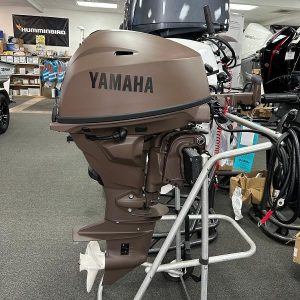
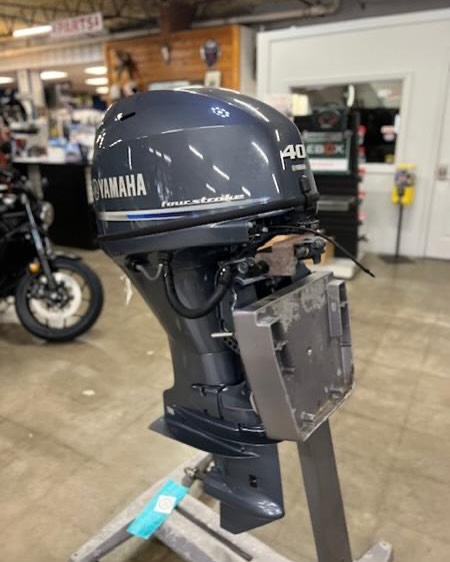
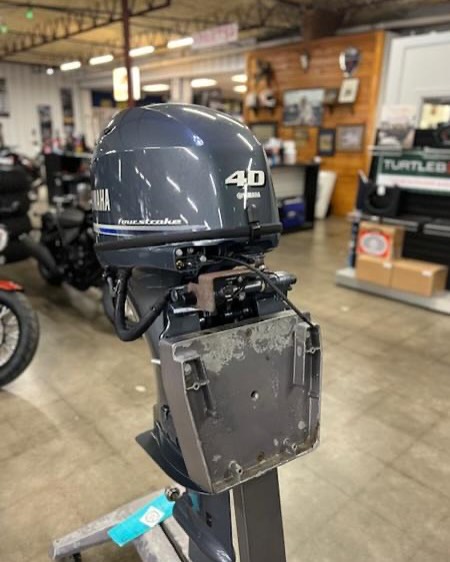
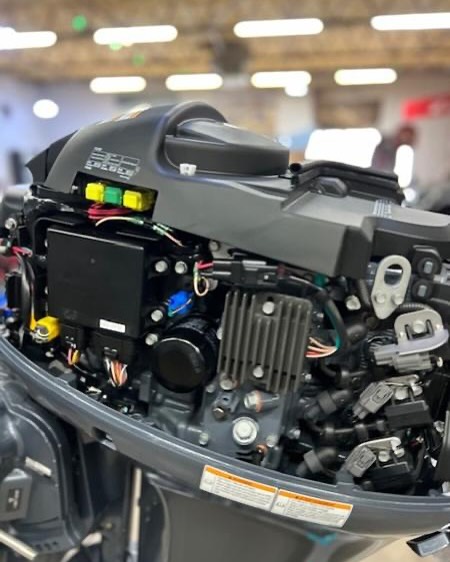
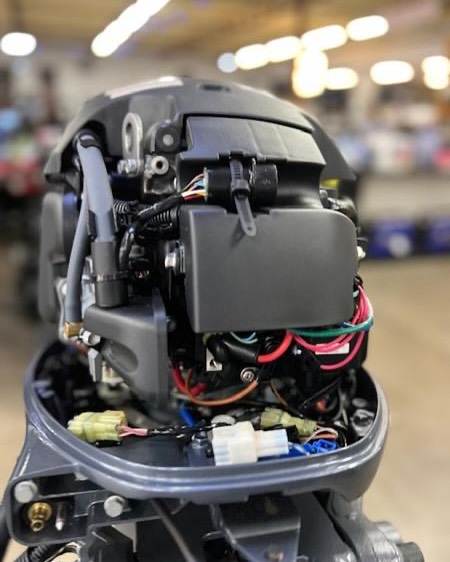
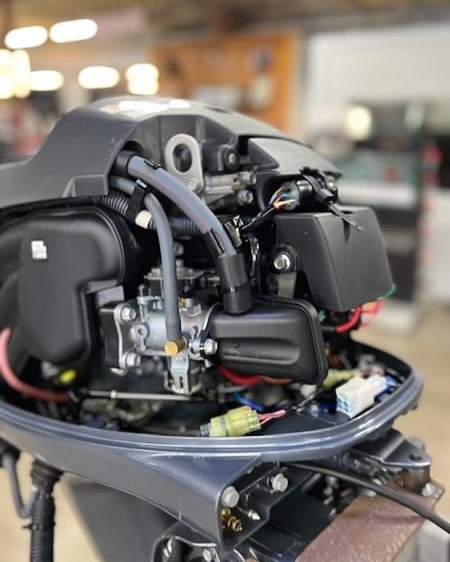
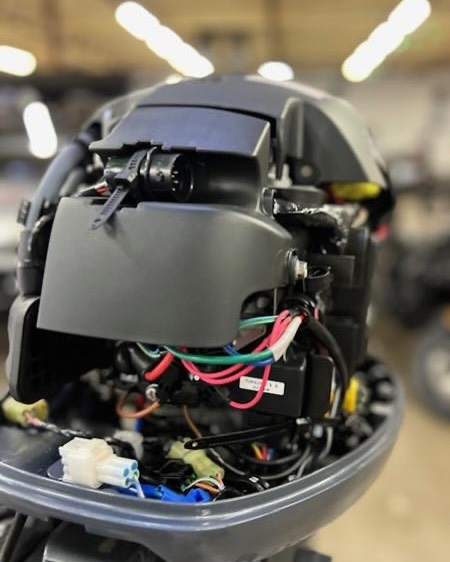
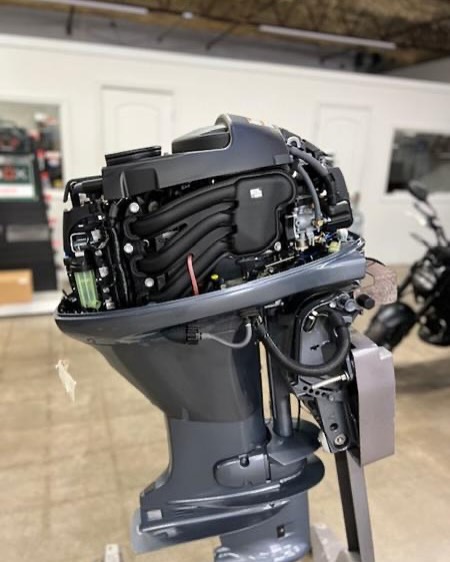
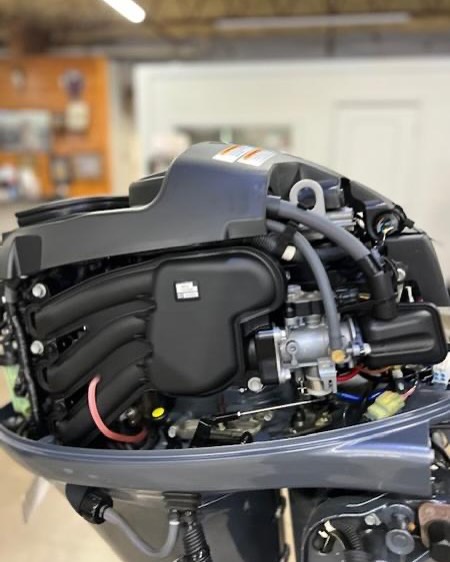
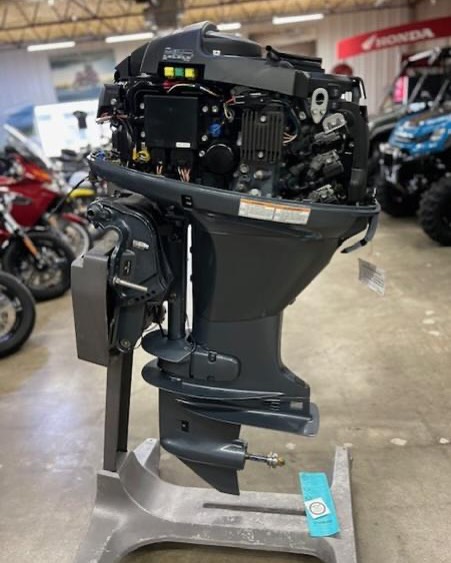
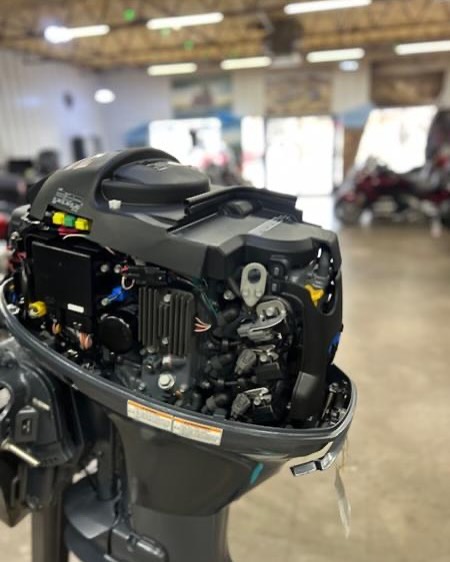
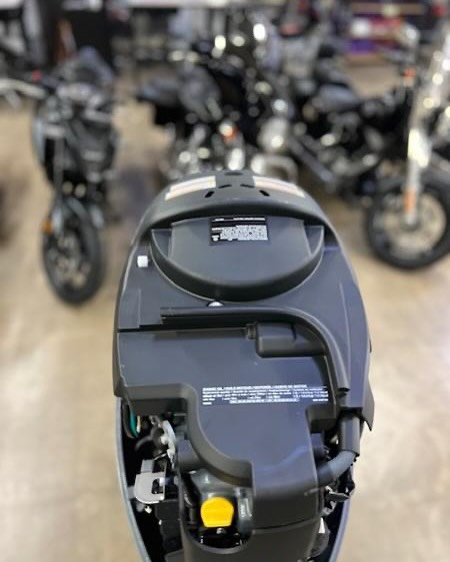
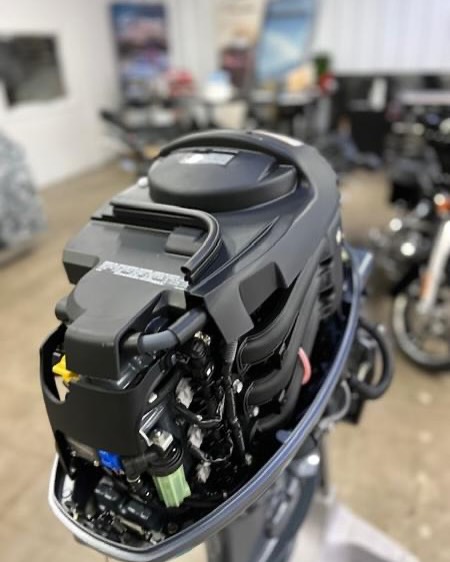
The 2025 Yamaha 40HP Midrange outboard is a compact four-stroke engine designed for small fishing boats, jon boats, skiffs, inflatables, small pontoons and aluminum boats that need more power without moving into a substantially larger outboard. This Yamaha uses a 747cc three-cylinder powerhead, electronic fuel injection, a 20-inch shaft configuration and a 17-amp charging system.
The Performance Engines listing identifies this product as a 2025 Yamaha 40HP outboard and states that the engine is available in a 20-inch shaft. Yamaha’s specifications identify the 40HP Midrange as a 747cc, three-cylinder EFI outboard producing 40 horsepower at 5,500 RPM, with a 5,000–6,000 RPM full-throttle range.
| Specification | Details |
|---|---|
| Manufacturer | Yamaha |
| Model Year | 2025 |
| Horsepower | 40 HP |
| Engine Type | 4-stroke, 3-cylinder SOHC |
| Displacement | 747cc |
| Bore x Stroke | 65 x 75 mm |
| Fuel System | Electronic fuel injection (EFI) |
| Full-Throttle RPM | 5,000–6,000 RPM |
| Rated Power Speed | 5,500 RPM |
| Alternator Output | 17 amps at WOT |
| Gear Ratio | 2.00:1 |
| Gear Shift | Forward, Neutral, Reverse |
| Shaft | 20 inches |
| Starting | Electric |
| Exhaust | Through propeller |
| Compression Ratio | 9.4:1 |
| Recommended Fuel | Unleaded gasoline, 87 octane |
| Dry Weight | Approximately 214 lb / 97 kg for the lightest 20-inch configuration |
| Oil | Yamalube 4M or specification listed in the owner’s manual |
The Yamaha 40HP Midrange uses a 747cc inline three-cylinder four-stroke engine. The 65mm bore and 75mm stroke provide the displacement needed for 40HP while maintaining the compact packaging expected from Yamaha’s midrange outboard family.
Yamaha rates the engine at 40 horsepower at 5,500 RPM, with a full-throttle operating range of approximately 5,000–6,000 RPM. The three-cylinder layout provides a useful balance between compact dimensions and the power required for small-to-medium utility and recreational boats.
The Yamaha 40HP uses electronic fuel injection. EFI electronically manages fuel delivery as engine operating conditions change, supporting consistent operation across starting, acceleration, cruising and higher engine speeds.
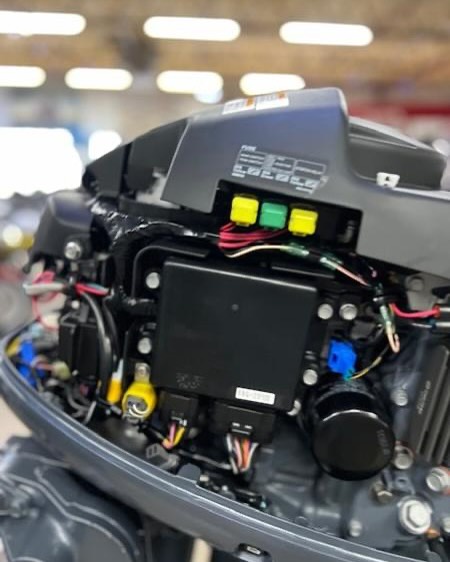
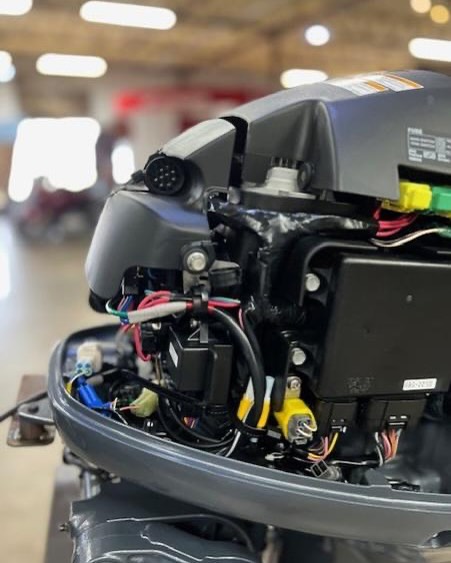
The engine also uses Yamaha’s electronic control module. Yamaha describes the 40HP Midrange as using a single throttle valve, long-track intake manifold and electronic control module to support starting, acceleration and top-end operation.
The Performance Engines listing specifies a 20-inch shaft. A 20-inch outboard is normally matched with a boat transom designed for that shaft length, but the correct installation height must still be checked against the hull and Yamaha’s installation requirements.
Shaft length should be confirmed before ordering a repower. Installing an engine with the wrong shaft length can place the propeller at an unsuitable depth, affect water intake and change handling and performance.
The 40HP rating makes this Yamaha a practical middle ground for boat owners who need more power than a 25HP or 30HP outboard but do not need a 50HP or larger engine. The 747cc powerhead provides 40HP while retaining a relatively compact midrange package.
Actual boat performance depends on hull design, total weight, passenger and cargo load, propeller selection, engine mounting height, water conditions and the boat manufacturer’s horsepower rating. The horsepower number alone cannot predict speed on a particular boat.
Yamaha’s current specifications identify a 17-amp alternator output at wide-open throttle. This gives the engine useful electrical charging capacity for a properly installed small-boat electrical system.
When repowering, inspect the battery, wiring, fuse protection and existing electrical accessories. Electronics such as fish finders, navigation equipment, radios and lighting should be installed according to their individual electrical requirements.
The Yamaha 40HP Midrange uses a 2.00:1 primary gear ratio. The lower unit reduces engine speed before it reaches the propeller, allowing the propeller to operate at an appropriate speed for the boat and engine combination.
Propeller selection should be based on the actual boat and load. The goal is to allow the engine to reach the manufacturer’s recommended 5,000–6,000 RPM full-throttle range under normal operating conditions. A propeller with too much pitch can overload the engine, while an unsuitable low-pitch propeller can allow excessive RPM.
The Yamaha 40HP Midrange provides the normal Forward, Neutral and Reverse gear positions. Exact steering and control configuration depends on the specific model suffix. Yamaha offers the F40 platform in different control configurations, including mechanical remote and tiller versions.
Because the Performance Engines listing does not specify an exact model suffix, buyers should confirm the exact steering and control arrangement supplied with the particular engine before ordering. The 20-inch shaft is identified in the listing, but the suffix determines other configuration details.
The documented F40 Midrange configurations include electric starting. Yamaha’s Engine Control Module also interfaces with Yamaha diagnostic software, allowing technicians to review selected operating information when servicing compatible models.
This electronic diagnostic capability can be useful during maintenance and troubleshooting because a technician can use Yamaha diagnostic equipment to examine available engine operating information rather than relying solely on visual inspection.
Yamaha’s current F40 Midrange information highlights corrosion-protection measures including Yamaha’s proprietary marine alloys, protective paint processes and sacrificial anodes. These systems are intended to help protect the powerhead, midsection and lower unit in the marine environment.
Corrosion protection still depends on proper maintenance. Freshwater flushing, inspection of sacrificial anodes, correct storage and appropriate maintenance remain important, particularly for engines operated in saltwater.
Yamaha’s published F40 specifications identify 87-octane unleaded gasoline as the recommended minimum fuel grade. Yamaha also specifies an external 10-micron fuel/water-separating filter for applicable installations.
Keeping water and contaminants out of the fuel system is especially important for an EFI outboard. Fuel should be stored and treated according to Yamaha’s recommendations, particularly when the boat will remain unused for extended periods.
The F40 uses a wet-sump lubrication system. Yamaha lists Yamalube 4M for the engine, with the owner’s manual providing the applicable oil specification and service procedure. A current dealer specification lists approximately 2.0 liters of oil capacity for the 2025 F40 configuration.
Oil level should be checked according to Yamaha’s prescribed procedure, with the engine positioned correctly. Do not use the oil capacity figure alone as a substitute for checking the level on the engine’s dipstick.
The Yamaha 40HP Midrange is water cooled with thermostatic control, and exhaust gases are discharged through the propeller. The cooling system maintains operating temperature while circulating raw water through the engine, while the exhaust arrangement helps keep the outboard’s external package compact.
Cooling-water flow should be checked during routine operation. A weak telltale stream or overheating warning should be investigated promptly rather than continuing to operate the engine under load.
Yamaha offers an optional Variable Trolling RPM Switch (VTS) for applicable F40 configurations. Yamaha describes the system as allowing fine adjustment of trolling engine speed.
This can be useful for anglers who need controlled low-speed operation, but availability depends on the exact F40 model and equipment package. Because the Performance Engines listing does not specify a model suffix, confirm whether VTS is included or available for the particular engine being purchased.
Yamaha positions its Midrange 40HP for relatively light-duty boats including skiffs, jon boats, inflatables, small pontoons and aluminum fishing boats.
Common applications can include:
The boat must be rated for the engine’s horsepower and weight. A 40HP engine should not be installed on a vessel whose manufacturer specifies a lower maximum horsepower.
Yamaha lists the lightest F40 Midrange configuration at approximately 214 lb / 97 kg, with other configurations reaching approximately 223 lb / 101 kg. The actual weight depends on the specific shaft, steering, trim and equipment configuration.
This is an important consideration during repowering. Compare the new engine’s actual configured weight with the previous outboard and verify that the boat’s transom and flotation capacity can support the new installation.
Before using the 2025 Yamaha 40HP as a repower, verify the boat’s maximum horsepower rating, transom height, transom condition, steering arrangement, fuel system, battery, electrical connections and propeller requirements.
The exact F40 model suffix should also be confirmed. Yamaha sells F40 configurations with different steering and trim arrangements, so the engine should be matched to the intended boat rather than selected solely by the “F40” name.
Rigging may include steering hardware, throttle and shift controls, electrical connections, battery work, fuel-system components and propeller selection. These requirements are separate from the engine’s basic horsepower specification.
The Performance Engines listing identifies the product as a 2025 Yamaha Outboards 40HP. Because no exact F40 model suffix appears in the listing, this description intentionally does not assign a suffix such as F40LA, F40LEHA or another configuration that may not match the physical engine.
For parts ordering, warranty documentation and exact rigging compatibility, use the model and serial information on the engine identification label. This is more reliable than identifying the engine from horsepower alone.
The F40’s combination of a 747cc three-cylinder engine, EFI, 40HP output and relatively compact dimensions makes it a useful choice for boat owners who need midrange power without moving to a substantially larger outboard.
The engine is particularly relevant when the boat needs additional power over a 25HP or 30HP engine while remaining within the size and weight range appropriate for smaller fishing boats and recreational craft.
If you are comparing the Yamaha 40HP with other outboard options, Performance Engines also has listings for several Yamaha configurations. Review the 2024 Yamaha F25 25HP, 2024 Yamaha F25SWTHC2, 2024 Yamaha T60LB 60HP High Thrust and Yamaha 50HP 4-stroke EFI listings when comparing power, weight and application requirements.
The Yamaha F40 is rated at 40 horsepower, with rated propeller-shaft power at approximately 5,500 RPM.
The F40 uses a 747cc three-cylinder powerhead.
Yes. The F40 is a four-stroke, three-cylinder Yamaha outboard with a SOHC/6-valve configuration.
Yes. The F40 uses electronic fuel injection.
The published full-throttle range is approximately 5,000–6,000 RPM.
The Performance Engines listing identifies a 20-inch shaft.
The documented primary gear ratio is approximately 2.00:1.
The lightest documented 20-inch F40 configuration is approximately 214 lb / 97 kg, while other configurations can be heavier.
Yamaha’s current F40 specification lists 17 amps at wide-open throttle.
Yamaha specifies unleaded gasoline with a recommended minimum octane rating of 87.
Yes. Published F40 specifications identify electric starting.
No. Yamaha offers the F40 in different control configurations, including mechanical remote and tiller versions. The exact model suffix must be checked before ordering.
Power trim and tilt depends on the exact F40 configuration. Yamaha’s F40 range includes different steering and trim arrangements, so the model suffix should be confirmed for a particular engine.
An optional Variable Trolling RPM Switch (VTS) is available on applicable F40 configurations. It should not be assumed to be included unless the exact model/package specifies it.
The F40 is intended for compatible skiffs, jon boats, inflatables, small pontoons and aluminum fishing boats. The vessel must be rated for 40HP and capable of supporting the engine’s actual configured weight.
Yes, when the boat is correctly rated and the transom, shaft length, steering, controls, fuel system, electrical system and engine weight are compatible with the new installation.
Yes. The current Yamaha F40 Midrange uses a 747cc three-cylinder powerhead.
Yamaha lists Yamalube 4M for the F40, with the owner’s manual providing the applicable oil grade, capacity and service procedure for the exact configuration.
Confirm the exact model/serial number, 20-inch shaft requirement, control configuration, trim system, included accessories, current warranty terms, boat horsepower rating and the final rigging requirements.
Looking for a 2025 Yamaha 40HP outboard? The Yamaha F40 Midrange combines 40HP with a 747cc three-cylinder EFI powerhead, a 20-inch shaft configuration and a 17-amp charging system. Confirm the exact model suffix and control/trim configuration before ordering so the engine matches your boat and intended installation.
Explore more outboard engines at Performance Engines.