$5,000.00 Original price was: $5,000.00.$4,000.00Current price is: $4,000.00.
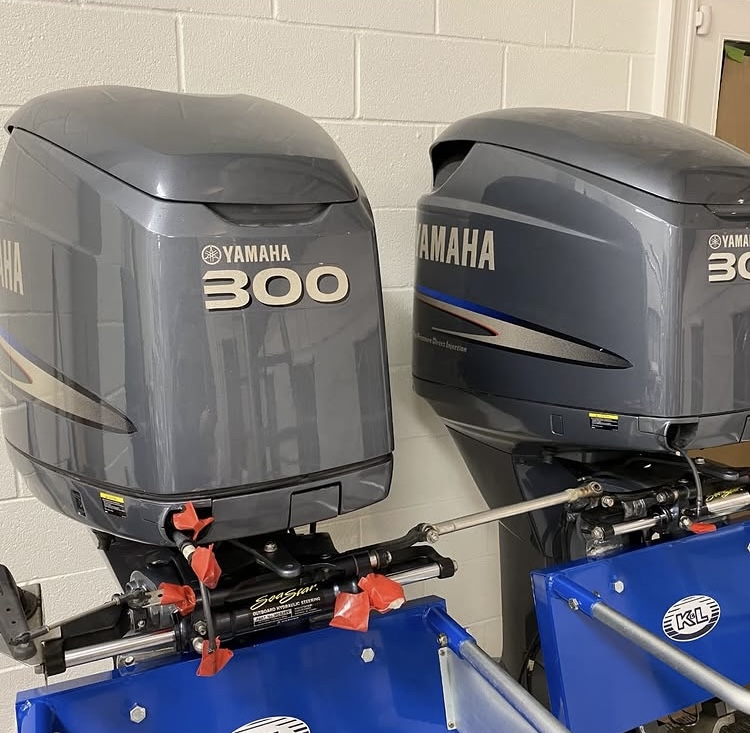
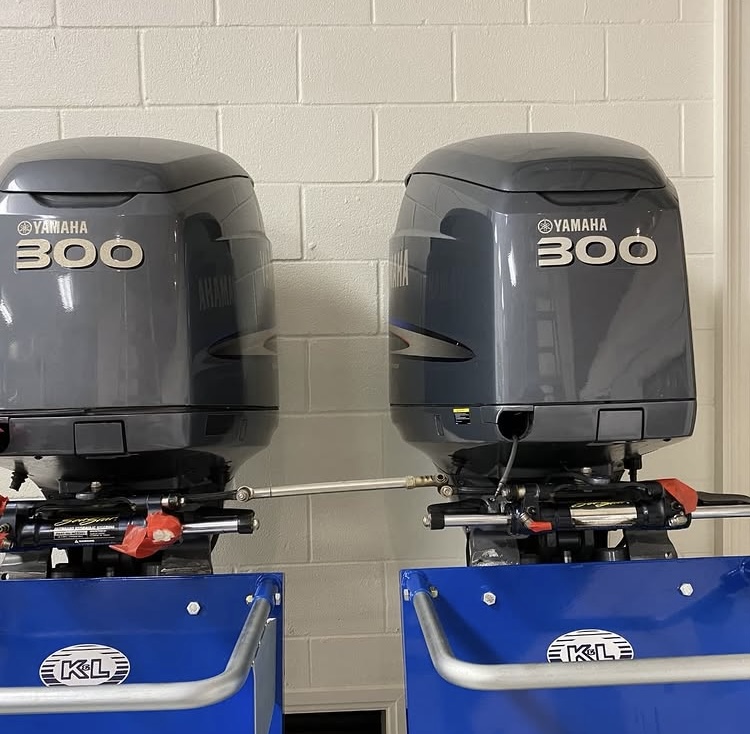
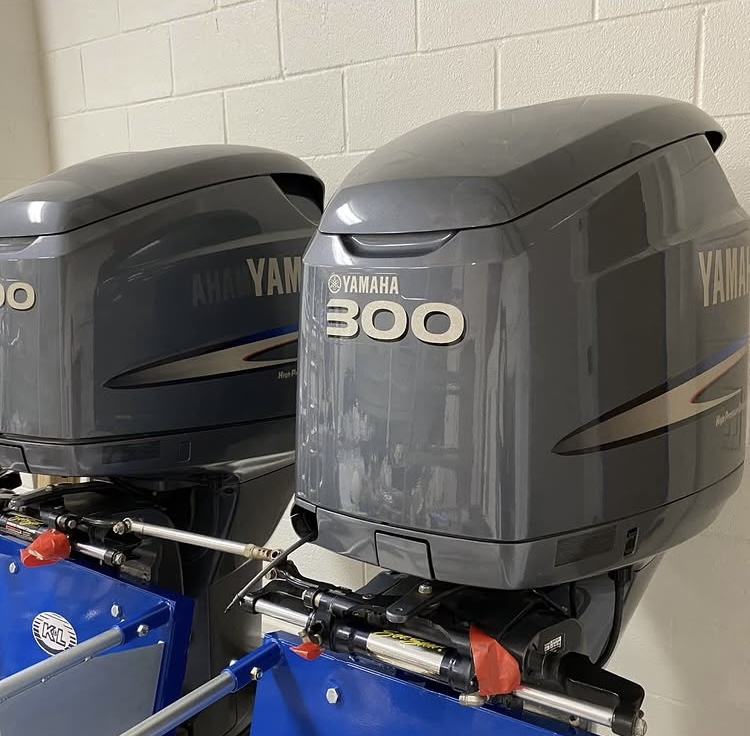
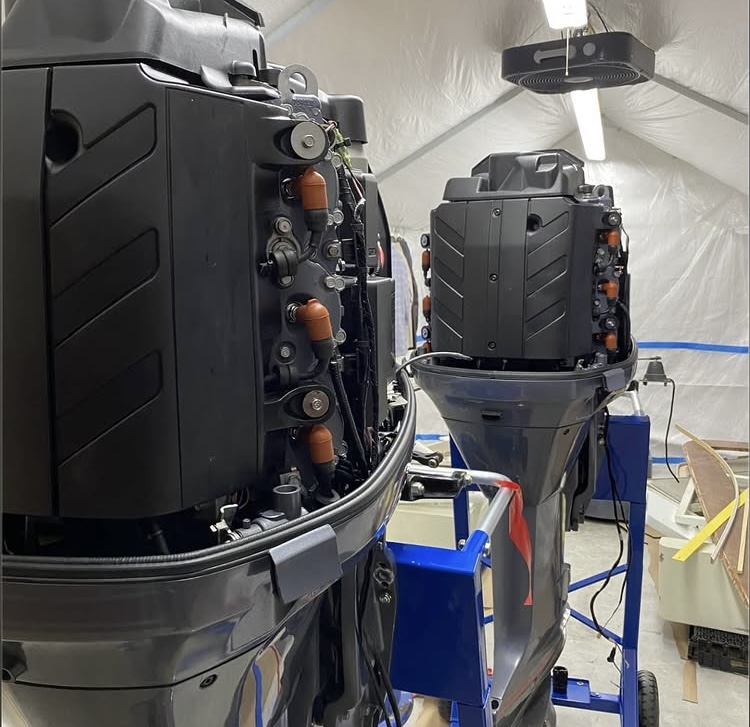
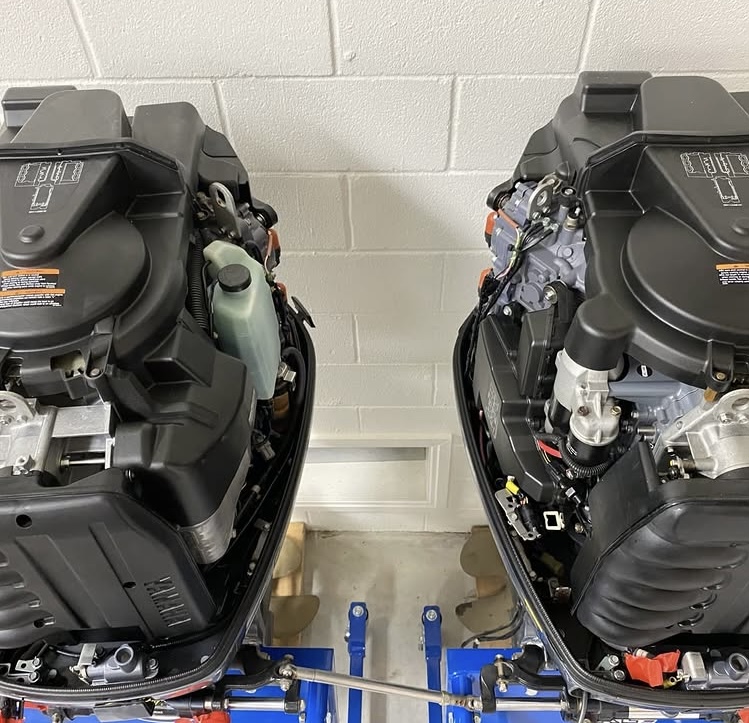
The Yamaha F300 HPDI Outboard Motor listed here represents Yamaha’s high-output 300 HP HPDI-generation V6 outboard platform. HPDI stands for High Pressure Direct Injection, Yamaha’s direct-injection two-stroke technology used on its Z300/LZ300/VZ300 family. This is an older HPDI-generation engine and should not be confused with Yamaha’s later F300 4.2-liter four-stroke models.
That distinction is important when researching a used Yamaha 300 HPDI. Yamaha documentation identifies the 300 HPDI family with a 3,342 cc V6 powerhead, while later F300 four-stroke engines use a 4,169 cc V6. The specifications below therefore focus on the 300 HP HPDI platform rather than substituting specifications from the newer F300 four-stroke range.
Yamaha’s HPDI 300 family is associated with model designations including Z300, LZ300 and VZ300. Yamaha diagnostic documentation groups the Z300 family with the 3,342 cc HPDI V6 engine platform.
The product title on this page uses “F300 HPDI,” but Yamaha’s conventional model naming distinguishes the older HPDI Z300 family from the later four-stroke F300. Buyers of a used engine should therefore confirm the model code and serial number before ordering parts, controls, gauges or service components.
The 300 HPDI uses a 3,342 cc V6 powerhead. Yamaha’s diagnostic documentation identifies the 3,342 cc HPDI group with the VZ200, VZ225, LZ250, VZ250, LZ300 and VZ300 model families.
This engine architecture is fundamentally different from Yamaha’s later 4.2-liter F300 four-stroke. The distinction matters for maintenance procedures, fuel and oil systems, control equipment, weight, rigging and replacement parts.
HPDI uses high-pressure direct fuel injection rather than the conventional electronic fuel injection architecture used on Yamaha’s later four-stroke F300. The fuel system is electronically controlled and meters fuel directly into the combustion process.
Because HPDI engines rely on specialized fuel-system components, a used Yamaha 300 HPDI should be inspected carefully for fuel-pressure issues, injector condition, fuel-water contamination and proper operation of the high-pressure fuel system.
| Specification | 300 HPDI platform |
|---|---|
| Manufacturer | Yamaha Motor |
| Model family | Z300 / LZ300 / VZ300 HPDI |
| Rated output | 300 HP |
| Engine type | Two-stroke V6 |
| Displacement | 3,342 cc |
| Fuel system | High Pressure Direct Injection (HPDI) |
| Lubrication | Oil injection |
| Full-throttle RPM | 4,650–5,650 RPM for 2005-and-later 300 HPDI specification |
| Earlier HPDI RPM reference | 4,500–5,500 RPM through 2004 |
| Gear ratio | 1.75:1 |
| Starting | Electric |
| Steering | Remote control |
| Trim and tilt | Power trim and tilt on applicable configurations |
| Engine family identification | 3342 cc HPDI V6 |
RPM specifications vary by model year. A Yamaha/Outboard Drive System reference lists 300 HPDI models through 2004 at 4,500–5,500 RPM and 2005-and-later 300 HPDI models at 4,650–5,650 RPM, both with a 1.75:1 gear ratio.
Propeller selection should be based on the exact model-year specification rather than simply choosing a propeller intended for a newer F300 four-stroke. The documented HPDI operating range is different from the later four-stroke F300, which is generally specified around 5,000–6,000 RPM.
For the 2005-and-later HPDI specification, the target full-throttle range is 4,650–5,650 RPM. An engine that cannot reach its intended range under normal load may be incorrectly propped, overloaded or affected by another mechanical or fuel-system issue.
The documented 300 HPDI platform uses a 1.75:1 gear ratio.
The lower unit, propeller selection and engine mounting height should be considered together. A high-output offshore boat can require a different propeller specification from a lighter recreational hull even when both installations use the same horsepower engine.
The Yamaha 300 HPDI is a remote-control outboard platform. Rigging normally includes the appropriate remote control, steering system, engine harnesses, gauges and electrical connections for the specific model generation.
Yamaha diagnostic documentation shows that HPDI engines are supported by Yamaha’s diagnostic system on applicable model years, while digital network gauge compatibility also depends on model year and equipment.
When purchasing a used 300 HPDI, identify the exact model designation before buying replacement controls or instruments. A Z300 from one model year should not automatically be assumed to use the same rigging components as every later Z300 or VZ300.
Yamaha used several model designations around the 300 HP HPDI family. The Z300 designation identifies a standard-rotation version in the documented family, while L and VZ variants identify other configurations or market/model arrangements.
Yamaha’s diagnostic documentation specifically lists LZ300A, LZ300B, Z300A and Z300B within the 3,342 cc HPDI model group.
Before ordering parts, verify the complete model code from the identification plate. This is particularly important for fuel-system components, sensors, control modules, gauges, wiring and lower-unit parts.
| Feature | 300 HP HPDI | Later F300 FourStroke |
|---|---|---|
| Engine cycle | Two-stroke | Four-stroke |
| Displacement | 3,342 cc | 4,169 cc |
| Fuel system | HPDI direct injection | Electronic fuel injection |
| Typical full-throttle range | 4,650–5,650 RPM on 2005+ HPDI | 5,000–6,000 RPM |
| Gear ratio | 1.75:1 | 1.75:1 on many F300 configurations |
| Model family | Z300 / LZ300 / VZ300 | F300 / LF300 |
Yamaha’s current and later F300 documentation identifies a 4.2-liter, 24-valve DOHC V6 four-stroke with EFI, while Yamaha’s HPDI documentation identifies the older 3,342 cc HPDI V6 family.
A Yamaha 300 HPDI is suited to boats engineered around high-output outboard propulsion, including offshore fishing boats, performance center consoles and other large vessels with an appropriate transom and steering system.
The engine’s horsepower requires careful attention to hull rating, engine weight, transom construction, steering capacity, fuel delivery and propeller selection. Always confirm that the boat is approved for the engine’s horsepower and installation requirements.
Repowering with a Yamaha 300 HPDI requires more than matching horsepower. Check the boat manufacturer’s maximum horsepower rating, transom height, mounting-hole arrangement, steering system, fuel supply, oil system, battery capacity, control harness and gauge compatibility.
Because the HPDI system belongs to an older Yamaha engine generation, replacement parts and rigging components should be matched to the exact model code. Do not assume components from the modern F300 four-stroke are interchangeable with the HPDI engine.
HPDI engines depend on a properly functioning high-pressure fuel system. Before purchasing a used Yamaha 300 HPDI, inspect the fuel tank and lines, water-separating filter, fuel pumps, high-pressure system and injectors.
Fuel contamination can create expensive problems in electronically controlled direct-injection engines. A professional diagnostic inspection is advisable when buying an older HPDI outboard whose service history is incomplete.
As with any older high-output marine engine, the cooling system should be inspected carefully. Check cooling-water passages, thermostats, water-pump components, tell-tale flow and corrosion around the lower unit and mounting hardware.
Saltwater use makes corrosion inspection especially important. Examine sacrificial anodes, electrical connections, steering components, trim hardware and the engine bracket before committing to a used-engine purchase.
Routine maintenance should follow the service schedule for the specific Yamaha model year. Important areas include the fuel system, oil-injection system, spark plugs, water pump, thermostats, lower-unit lubricant, propeller, battery connections, steering system and corrosion protection.
Because HPDI is an older direct-injection technology, diagnostic equipment and model-specific service documentation can be especially useful when troubleshooting fuel-pressure, sensor or electronic-control problems.
When purchasing a Yamaha 300 HPDI, request the engine’s complete model and serial information and verify the actual model designation. The product title “F300 HPDI” should not be used as the sole basis for parts selection because Yamaha’s HPDI 300 belongs to the older Z300/LZ300/VZ300 family.
Where possible, inspect compression, diagnostic history, fuel-pressure operation, injector condition, lower-unit lubricant, cooling-water flow, trim and tilt, steering and charging-system performance. A sea trial under normal load can also help identify propeller, fuel-delivery and cooling issues.
No. The HPDI 300 platform associated with Yamaha’s Z300/LZ300/VZ300 family is a two-stroke V6. It should not be confused with the later 4.2-liter F300 four-stroke. For the newer four-stroke platform, see the 2022 Yamaha F300 V6 Outboard.
HPDI means High Pressure Direct Injection. It describes Yamaha’s high-pressure electronically controlled direct-injection fuel system used on its HPDI two-stroke outboards.
The Yamaha HPDI platform is rated at 300 horsepower.
The 300 HPDI V6 uses a 3,342 cc powerhead according to Yamaha diagnostic documentation.
For 2005-and-later 300 HPDI models, the documented full-throttle range is 4,650–5,650 RPM. Earlier models through 2004 are listed at 4,500–5,500 RPM.
The documented 300 HPDI gear ratio is 1.75:1.
No. The HPDI 300 and modern F300 are different engine generations. The HPDI platform is a 3.342L two-stroke V6, while Yamaha’s later F300 uses a 4.169L four-stroke V6.
Confirm the model and serial number, inspect the fuel and oil-injection systems, check compression and diagnostic history, inspect the lower unit and cooling system, and verify that the boat, steering and rigging are compatible with the engine.
The Yamaha 300 HPDI Outboard Motor is an older high-output Yamaha V6 platform built around High Pressure Direct Injection technology. Its 3,342 cc two-stroke powerhead, 300 HP rating and 1.75:1 gear ratio make it a distinct engine from Yamaha’s later four-stroke F300 models.
If you are buying or repowering with this engine, verify the exact Yamaha model code and serial number before selecting parts, controls, gauges or propellers. You can also browse our outboard engines category to compare other marine propulsion options.