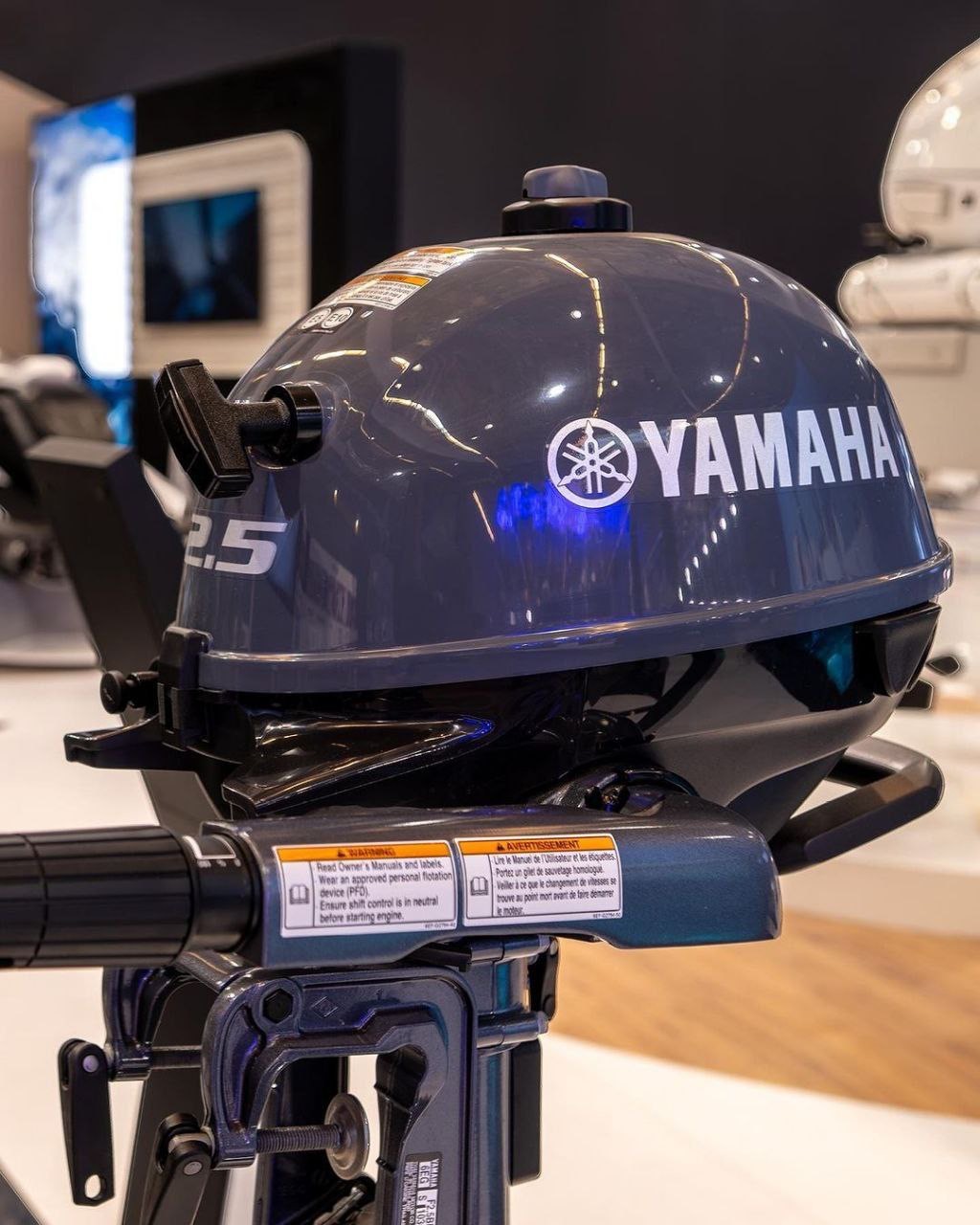
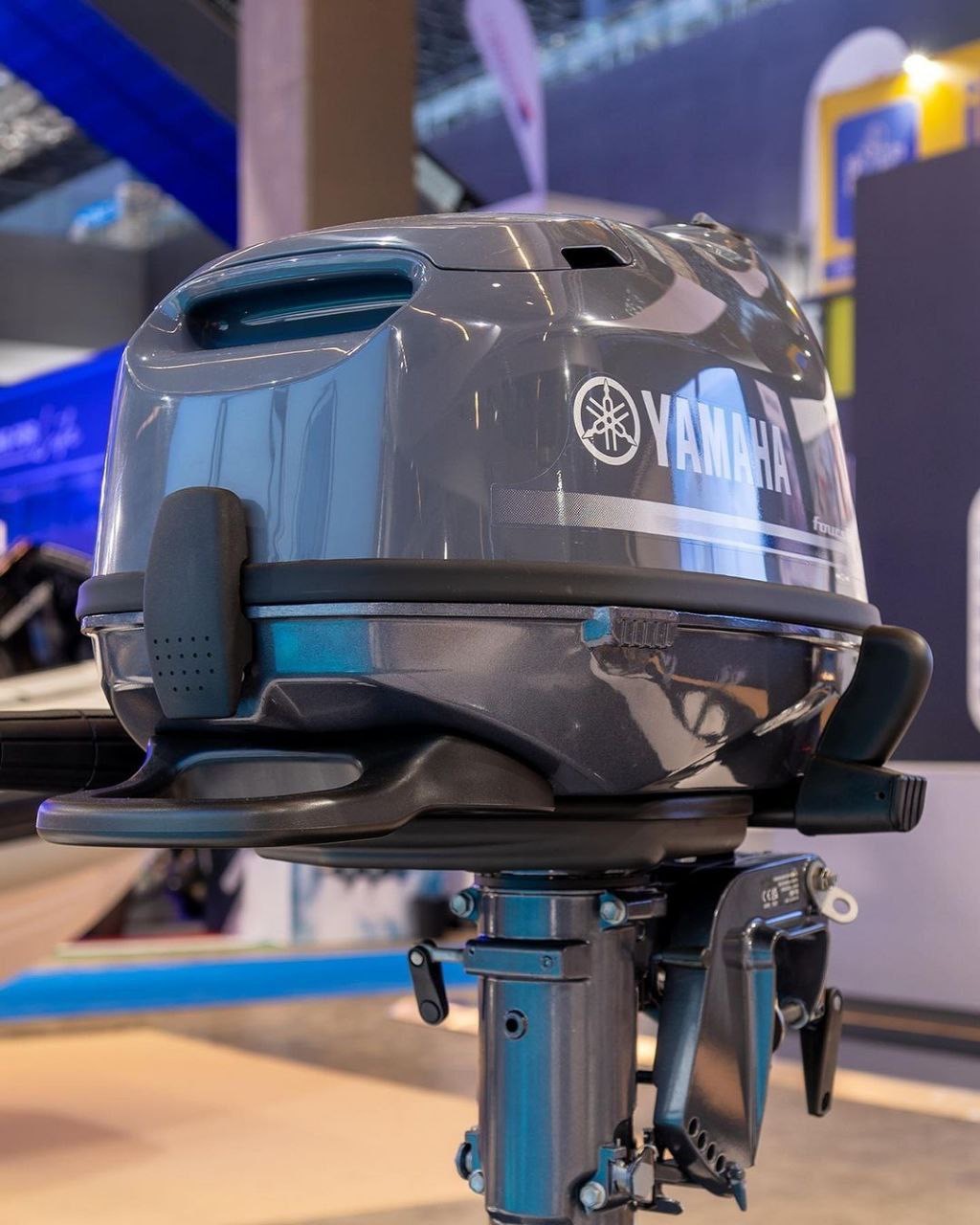
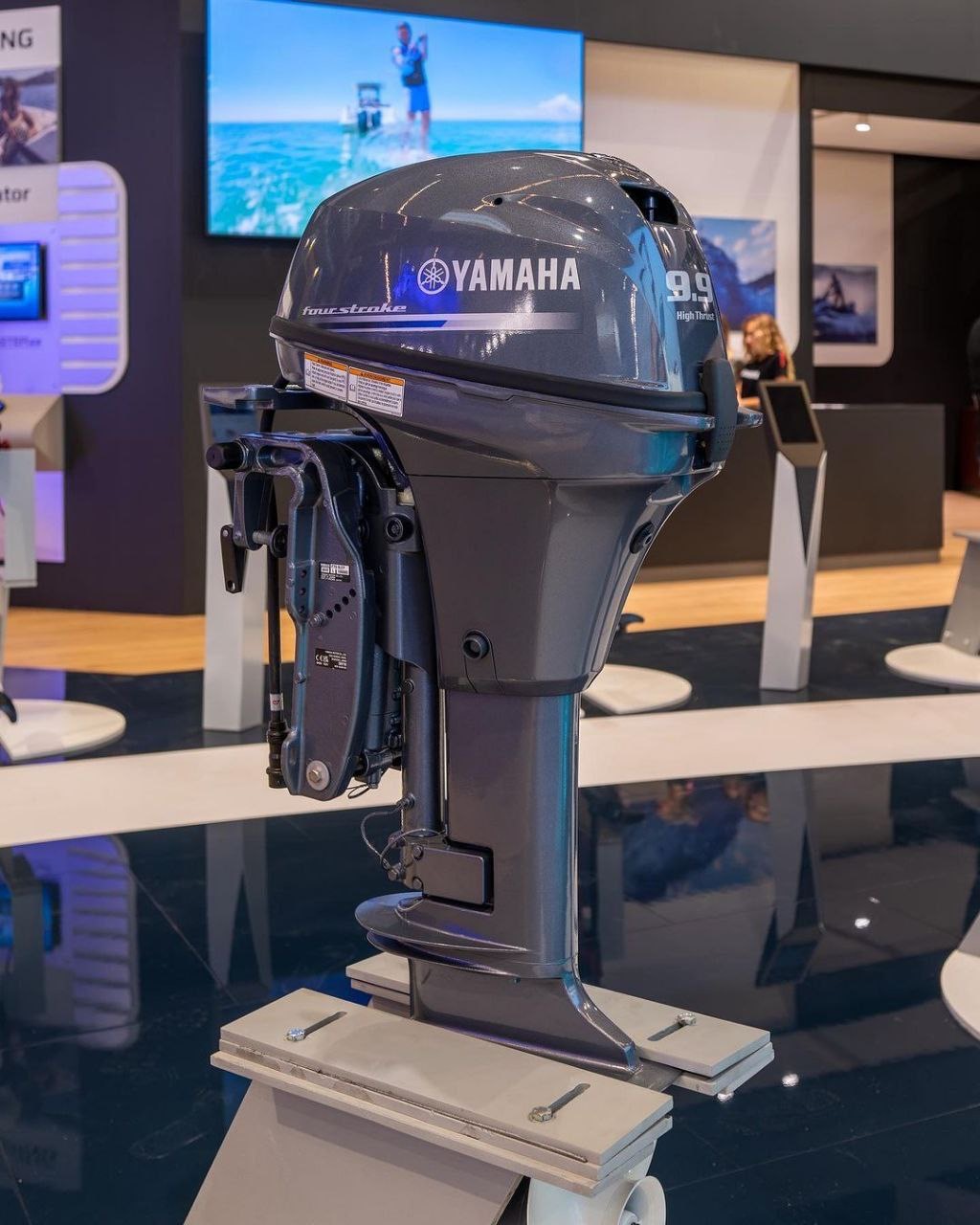
The 2020 Yamaha F2.5 4-Stroke Outboard is a compact 2.5 HP portable outboard designed for small boats, tenders, dinghies and other light-duty applications. Its 72cc single-cylinder four-stroke engine combines a simple tiller-handle layout with manual starting, manual tilt and a lightweight design that makes the F2.5 practical when portability and easy storage matter. Yamaha lists the F2.5 with 15-inch and 20-inch shaft options, so the correct configuration should be matched to the boat’s transom before purchase.
2020 Yamaha F2.5 4-Stroke Overview
The Yamaha F2.5 is Yamaha’s smallest portable four-stroke outboard in this model range. It uses a 72cc single-cylinder engine with carbureted fuel induction, TCI ignition and splash lubrication. The engine is rated at 2.5 HP at 5,500 RPM and has a full-throttle operating range of 5,250–5,750 RPM. Yamaha’s published specifications also identify a 37 lb dry weight for the 15-inch shaft version, making this engine well suited to owners who need an outboard that can be carried, transported and stored with relatively little effort.
Yamaha F2.5 Specifications
- Model: Yamaha F2.5
- Model year: 2020
- Engine type: 4-stroke OHV single-cylinder
- Displacement: 72cc
- Bore x stroke: 54 x 31.5mm
- Maximum output: 2.5 HP at 5,500 RPM
- Full-throttle RPM range: 5,250–5,750 RPM
- Fuel induction: Carburetor
- Ignition: TCI
- Starting system: Manual starter
- Control: Tiller handle
- Gear positions: Forward and Neutral
- Gear ratio: 2.01:1
- Lubrication: Splash lubrication
- Cooling: Thermostatically controlled
- Shaft options: 15-inch and 20-inch
- 15-inch shaft dry weight: Approximately 37 lbs
- Recommended fuel: Regular unleaded gasoline, 87 octane
- Engine oil capacity: Approximately 0.35L
- Alternator: None
Portable 2.5 HP Four-Stroke Power
The F2.5 is intended for boats where a small, portable auxiliary engine is more appropriate than a larger outboard. Its 72cc single-cylinder powerhead produces 2.5 HP and is designed around straightforward operation. The relatively low engine weight makes the F2.5 easier to remove from a tender or small boat for storage or transportation compared with larger outboards.
Fuel System and Engine Operation
Unlike larger electronically fuel-injected Yamaha outboards, the F2.5 uses a carburetor. It also uses TCI ignition, manual starting and a tiller-handle control system. This simple configuration keeps the engine compact and avoids the additional rigging requirements associated with remote-control installations. Yamaha specifies regular unleaded gasoline for the engine.
15-Inch and 20-Inch Shaft Fitment
The F2.5 is available with different shaft configurations, including 15-inch and 20-inch versions. Shaft length should be selected according to the boat’s transom height rather than simply choosing the shortest or lightest option. An incorrectly sized shaft can affect propeller depth, engine mounting position and overall operation. Confirm the required transom height and exact model configuration before purchasing.
Small Boat and Tender Applications
A Yamaha F2.5 can be considered for dinghies, tenders, small utility boats, inflatables and other light craft designed for approximately 2.5 HP. It can also serve as a small auxiliary motor where the vessel and intended operating conditions are compatible. Always follow the boat manufacturer’s maximum horsepower and engine-weight recommendations.
Portability, Storage and Handling
One of the main reasons to choose the F2.5 is its compact size and low weight. Yamaha’s published specification lists approximately 37 lbs for the 15-inch shaft version. The lightweight design can make the engine practical for owners who need to move an outboard between a vehicle, storage area and small boat. Handle and store the engine according to Yamaha’s owner’s manual and keep fuel and oil systems properly maintained during storage.
Installation and Setup Considerations
- Confirm that the boat is rated for a 2.5 HP outboard.
- Choose the correct 15-inch or 20-inch shaft configuration for the boat’s transom.
- Check that the engine weight is appropriate for the vessel.
- Use the recommended fuel and engine oil specifications.
- Inspect the propeller and gearcase before operating the engine.
- Make sure the cooling-water intake remains properly submerged during operation.
- Follow Yamaha’s starting, break-in, maintenance and storage procedures.
Related Yamaha Outboard Options
If you are comparing different Yamaha outboard sizes, the 2005 Yamaha 50 Four Stroke EFI represents a substantially higher-power four-stroke option. For another high-output Yamaha application, you can also review the Yamaha VF250XB. These engines are not direct replacements for the F2.5; the appropriate choice depends on the boat’s horsepower rating, transom, intended use and required engine weight.
2020 Yamaha F2.5 FAQs
How much horsepower does the Yamaha F2.5 produce?
The Yamaha F2.5 is rated at 2.5 horsepower at 5,500 RPM.
What is the displacement of the Yamaha F2.5?
The F2.5 has a 72cc single-cylinder four-stroke powerhead.
Is the Yamaha F2.5 fuel injected?
No. The F2.5 uses a carburetor for fuel induction rather than electronic fuel injection.
What is the full-throttle RPM range of the F2.5?
Yamaha specifies a full-throttle operating range of 5,250–5,750 RPM. Propeller and boat setup can affect the actual RPM reached on the water.
What shaft lengths are available for the Yamaha F2.5?
Yamaha lists 15-inch and 20-inch shaft configurations for the F2.5. Select the shaft length that matches the boat’s transom requirements.
How much does the Yamaha F2.5 weigh?
Yamaha lists approximately 37 lbs for the 15-inch shaft version. Weight can vary with shaft configuration, so confirm the exact engine configuration before purchase.
What type of boats is the Yamaha F2.5 suitable for?
The F2.5 is designed for small craft such as tenders, dinghies, inflatables and light utility boats that are rated for a 2.5 HP outboard. The boat manufacturer’s specifications should always be checked before installation.
Explore more outboard engines at Performance Engines.