$3,000.00 Original price was: $3,000.00.$2,500.00Current price is: $2,500.00.
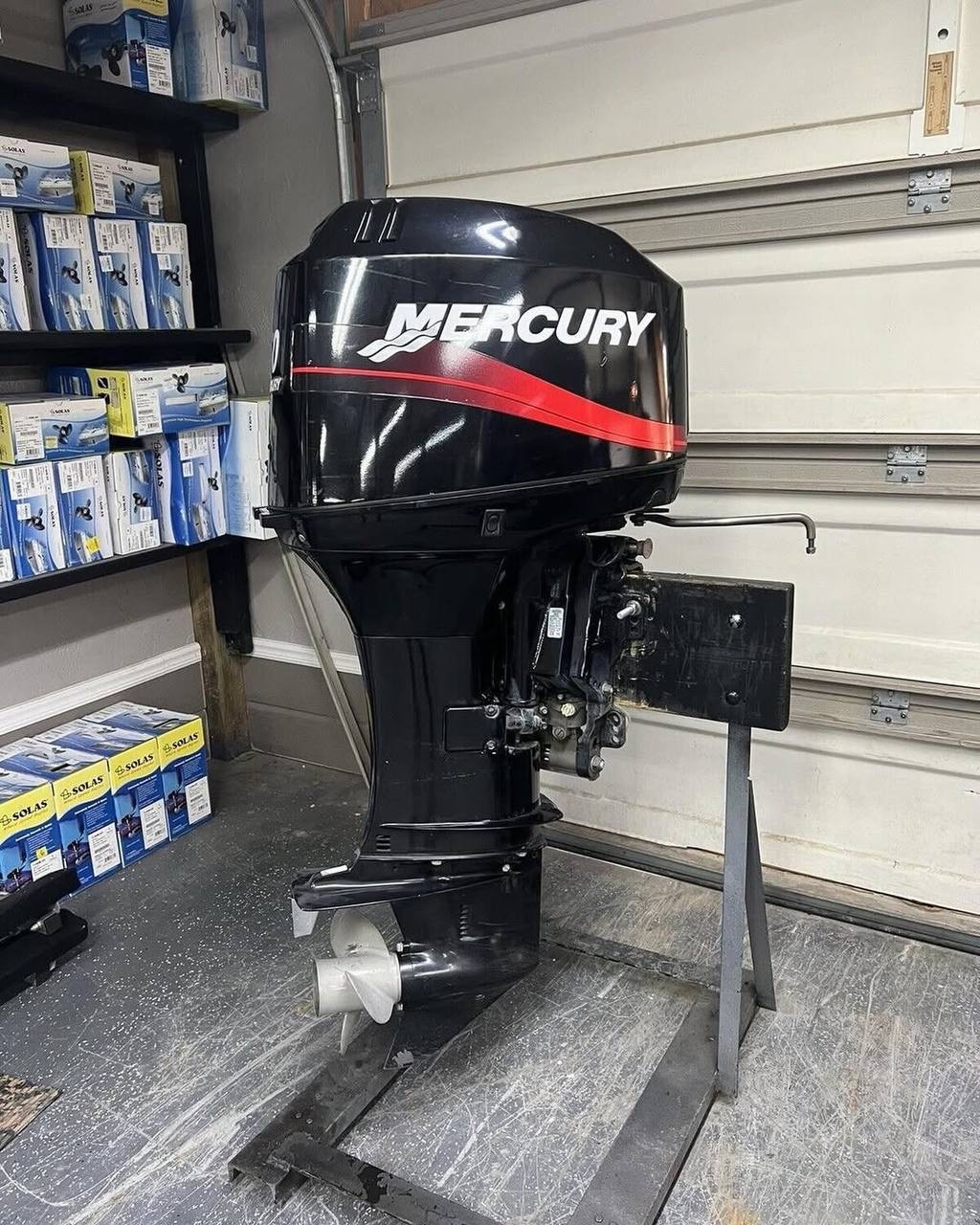
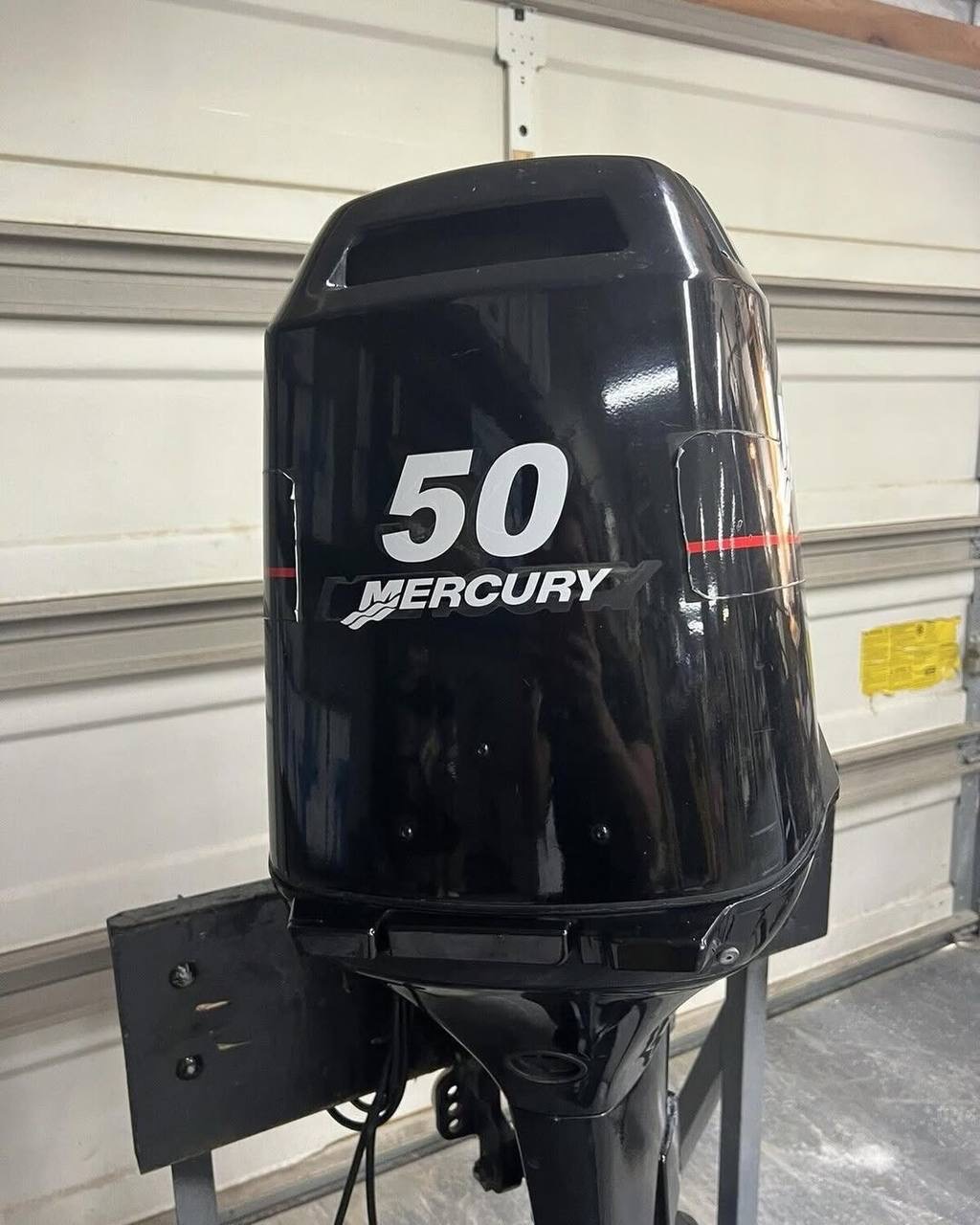
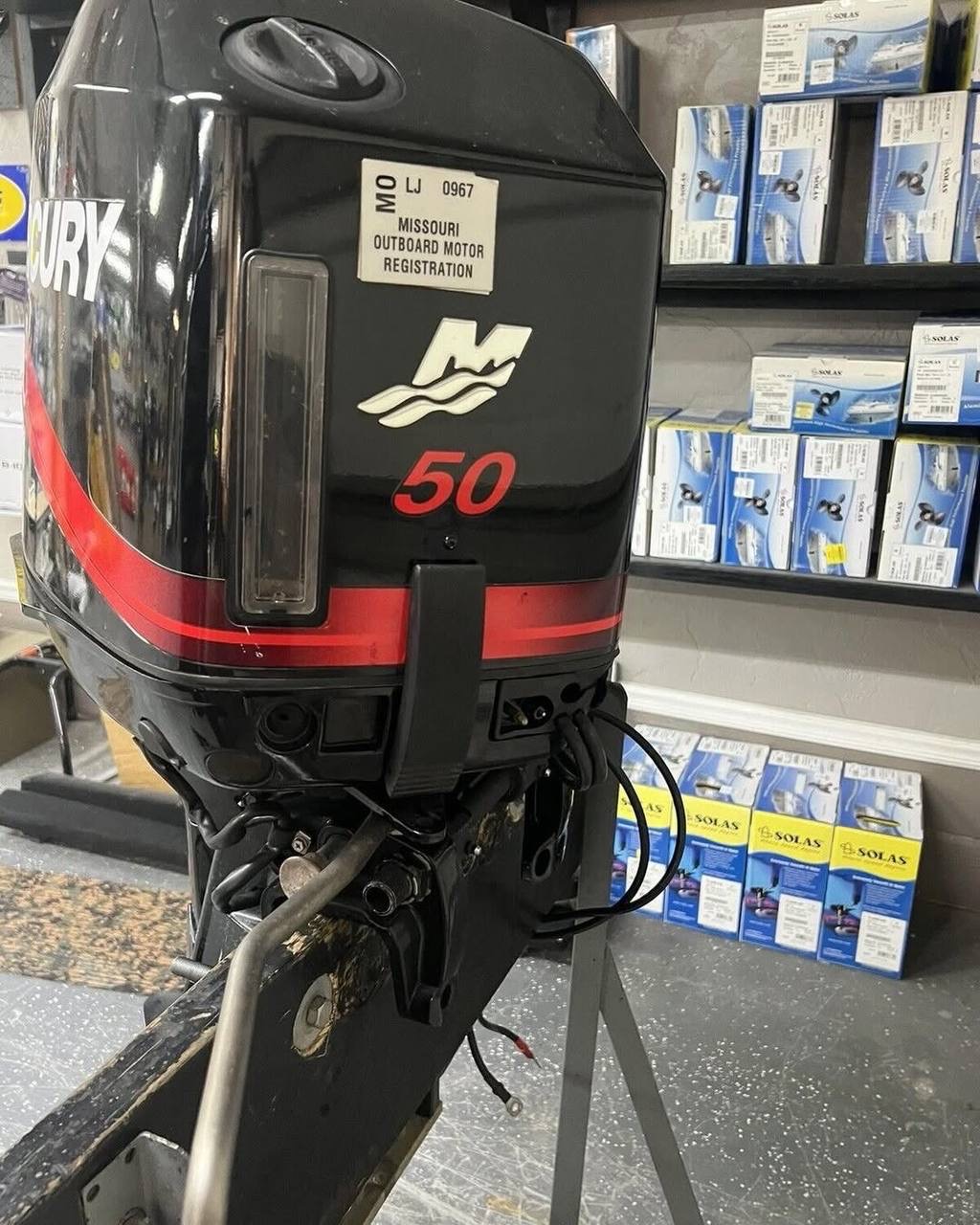
The 2005 Mercury 50HP 2-Stroke Outboard is a 50-horsepower three-cylinder outboard built for fishing, utility boating, and recreational applications. Published specifications identify a 967 cc inline three-cylinder two-stroke powerhead with carbureted fuel delivery, oil injection, electric starting, a 1.83:1 gear ratio, long-shaft configuration, and approximately 89 kg (196 lb) dry weight.
This page corrects the previous specification mix-up: the old description contained specifications for a Mercury 50HP four-stroke. The 2005 Mercury 50HP two-stroke is a separate model family, and Mercury parts application data distinguishes the 2005 50HP two-stroke models from the 2005 50HP four-stroke models.
| Specification | Details |
|---|---|
| Model year | 2005 |
| Engine | Mercury 50HP 2-Stroke |
| Power | 50 HP |
| Engine type | Two-stroke outboard |
| Cylinders | Inline 3-cylinder |
| Displacement | 967 cc / approximately 59 cu in |
| Fuel delivery | Carburetor |
| Fuel injection | No |
| Lubrication | Oil injection |
| Gear ratio | 1.83:1 |
| Starting | Electric |
| Shaft | Long shaft |
| Dry weight | Approximately 89 kg / 196 lb |
| Gearcase | Standard |
The 2005 Mercury 50HP uses an inline three-cylinder, 967 cc two-stroke powerhead. This architecture is different from Mercury’s contemporary 50HP four-stroke models. The two-stroke version uses carbureted fuel delivery and an oil-injection system.
Mercury produced multiple 50HP configurations around this period, so the model and serial number should be checked before ordering parts or planning a repower. Parts application data separately identifies 2005 Mercury 50HP two-stroke and four-stroke models.
Unlike an EFI four-stroke, this Mercury 50HP two-stroke uses a carbureted fuel system. The carburetors meter fuel into the engine while the oil-injection system provides engine lubrication. This makes fuel-system condition particularly important on an older outboard.
If the engine has been stored, inspect the carburetors, fuel lines, filters, fuel pump, oil lines, and oil-injection system before normal operation. Old fuel can contribute to hard starting, poor acceleration, surging, or reduced RPM.
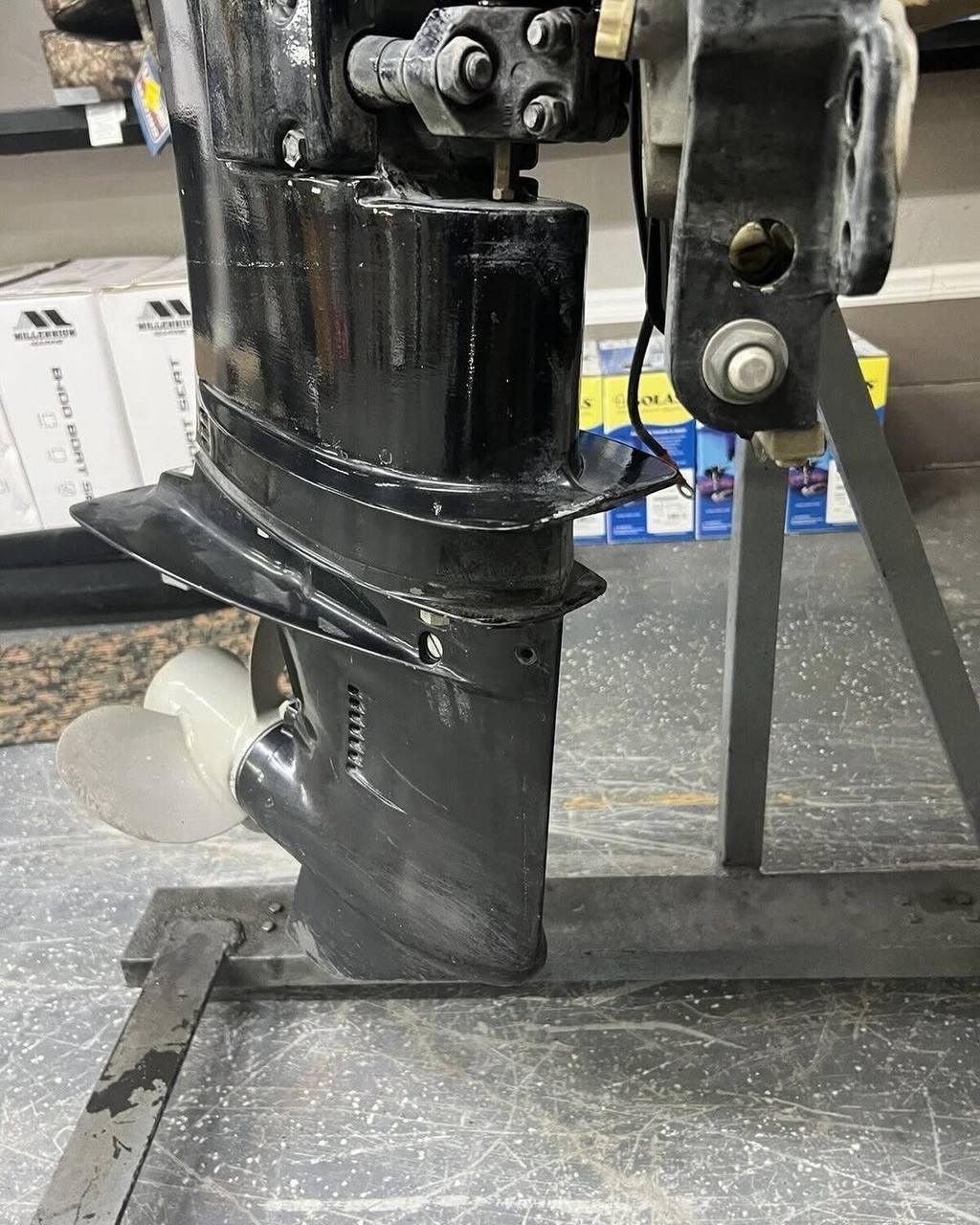
The documented 2005 Mercury 50HP two-stroke is identified with a long transom configuration. The exact shaft length should still be confirmed from the engine’s model or serial number and matched to the boat’s transom height before installation.
Correct mounting height affects propeller depth, cooling-water intake, handling, and performance. Do not assume that every Mercury 50HP from this era has identical rigging.
The documented gear ratio is 1.83:1. Gear ratio affects propeller RPM and therefore needs to be considered when selecting a propeller.
Propeller selection should account for the boat, load, shaft configuration, and recommended engine operating range. A poorly matched propeller can affect acceleration, cruising performance, and engine loading.
The published specification identifies electric starting. Exact steering, throttle, shift, wiring, gauges, and control equipment can vary by model configuration, so confirm the equipment supplied with the individual engine before purchase.
Because this is an older outboard, identify the exact Mercury model and serial number before connecting replacement controls or ordering rigging components.
The referenced specification lists approximately 89 kg (196 lb) dry weight. Actual installed weight can vary with the propeller and rigging.
Before repowering, confirm the boat manufacturer’s maximum horsepower and transom weight. Also check transom condition, steering, fuel system, electrical system, mounting hardware, and shaft length. A marine technician can verify complete installation compatibility.
Compression testing and a running test are especially useful on an older two-stroke. Confirm that the engine starts, idles, accelerates, maintains cooling-water flow, shifts correctly, and reaches its appropriate operating RPM under load.
Regular maintenance should include inspection of the fuel system, carburetors, spark plugs, cooling system, gearcase lubricant, water-pump components, oil-injection system, steering and shift linkages, and electrical connections. If the engine has been stored, give the fuel system particular attention before operation.
Mercury service documentation for the 40/50/55/60 two-stroke family includes dedicated sections for maintenance, carburetion, oil injection, ignition, charging and starting, fuel pump, powerhead, gearcase, and controls. Use documentation matching the engine’s model and serial number rather than specifications from another Mercury 50HP configuration.
A 50HP outboard can suit appropriately rated fishing boats, utility boats, aluminum boats, small cruisers, and recreational vessels. Actual suitability depends on hull design, boat weight, horsepower rating, transom height, propeller selection, and intended load.
For a compact Mercury alternative, see the 2023 Mercury 8MH. For a larger Mercury comparison, see the 2004 Mercury 225HP EFI Outboard. For a small modern four-stroke alternative, see the 2020 Suzuki 9.9HP 4-Stroke EFI.
Yes. The documented model is a three-cylinder, 967cc, carbureted two-stroke.
It uses an inline three-cylinder configuration.
The documented displacement is 967 cc, approximately 59 cubic inches.
No. The documented two-stroke uses carbureted fuel delivery.
Yes. The published specification identifies oil injection.
The documented gear ratio is 1.83:1.
The referenced specification lists approximately 89 kg (196 lb) dry weight.
The referenced model is identified with a long-shaft/transom configuration. Confirm the exact shaft length from the model or serial number.
Yes. The published specification identifies electric starting.
Check compression, carburetors, fuel pump, oil injection, cooling-water flow, gearcase oil, ignition, starter, charging system, steering, shift, throttle, corrosion, and the model/serial number.
Not automatically. Weight, dimensions, shaft configuration, controls, fuel system, mounting, and rigging can differ. Confirm complete boat compatibility before installation.
Use the engine’s model and serial number. Mercury sold both two-stroke and four-stroke 50HP models around the 2005 model year.
Explore more outboard engines at Performance Engines.