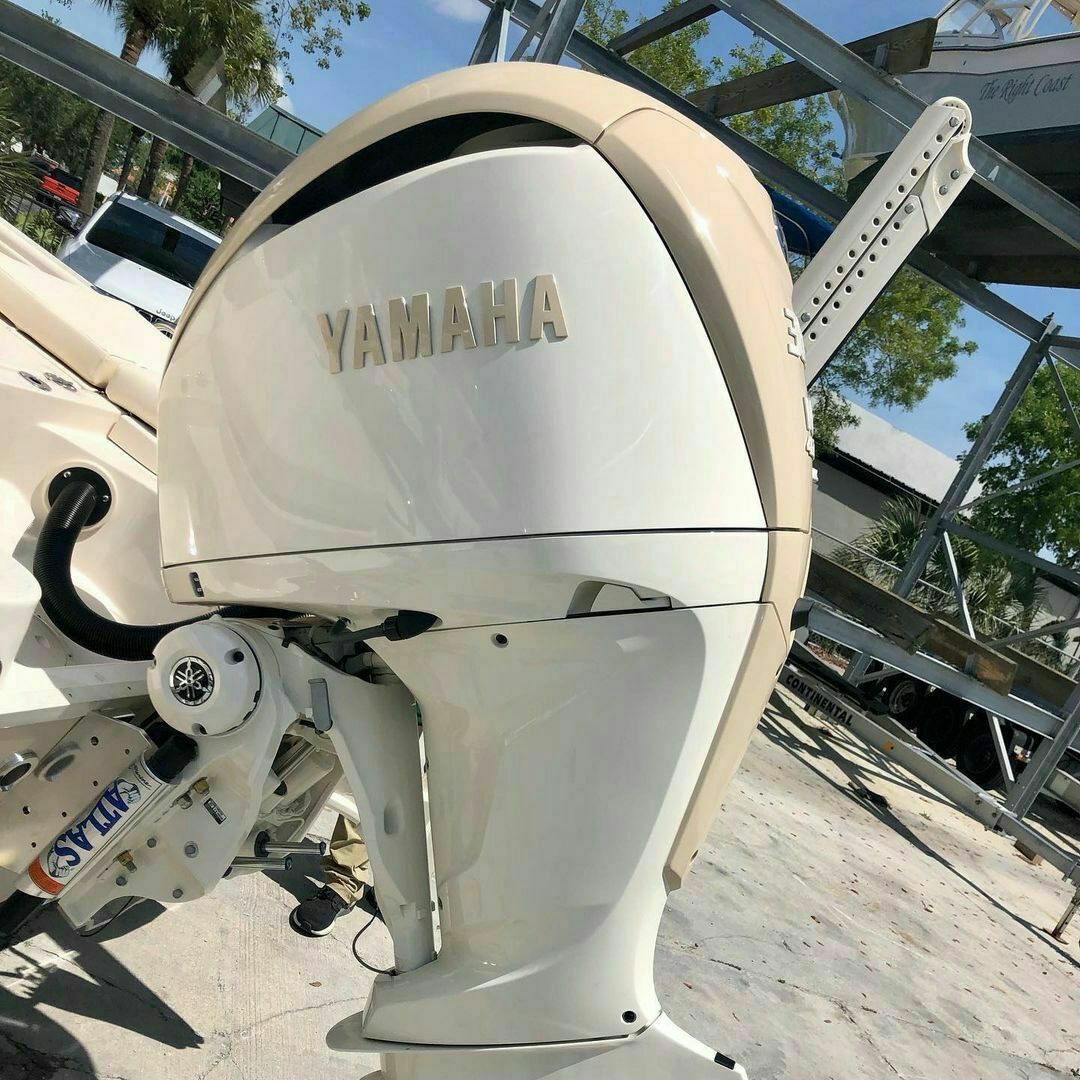
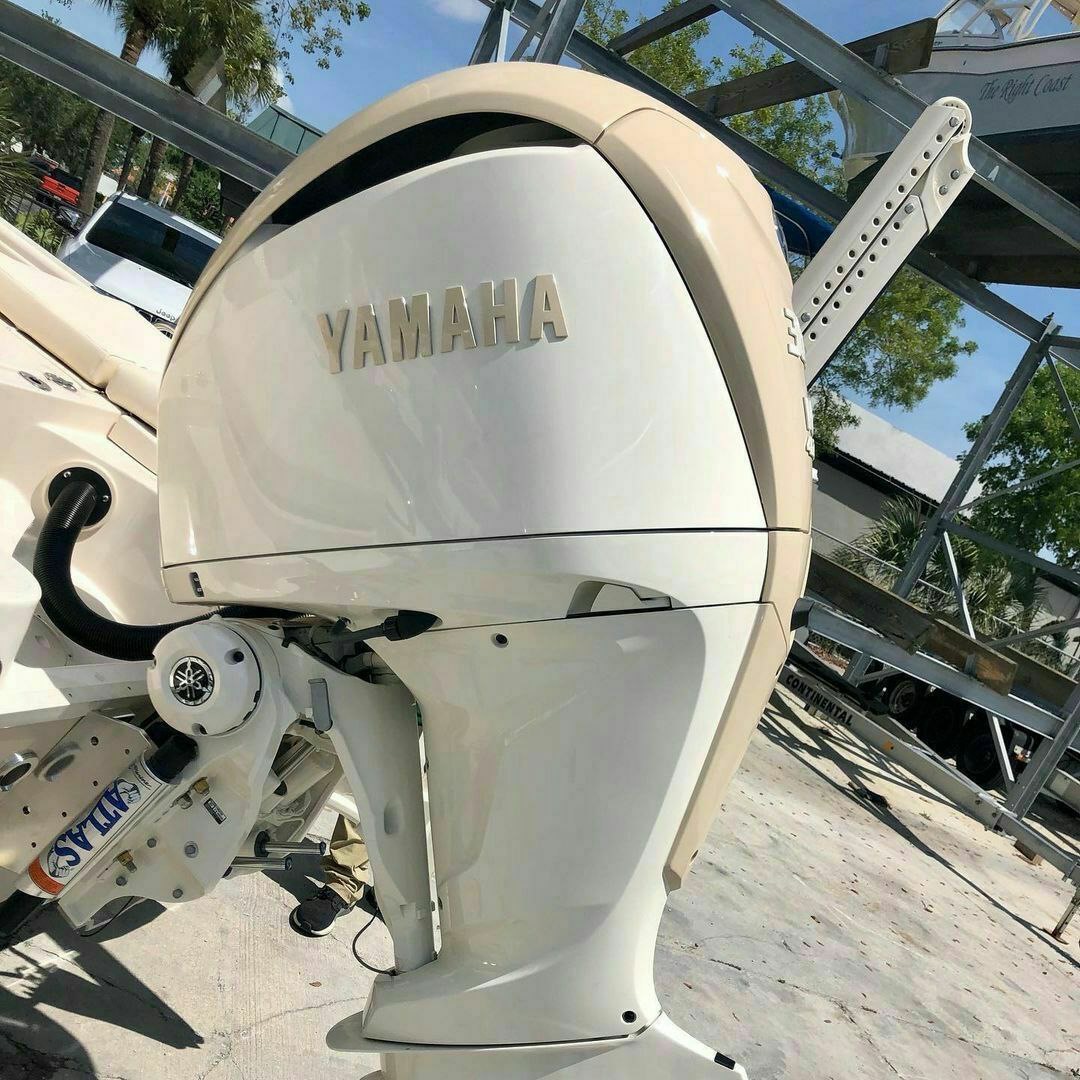
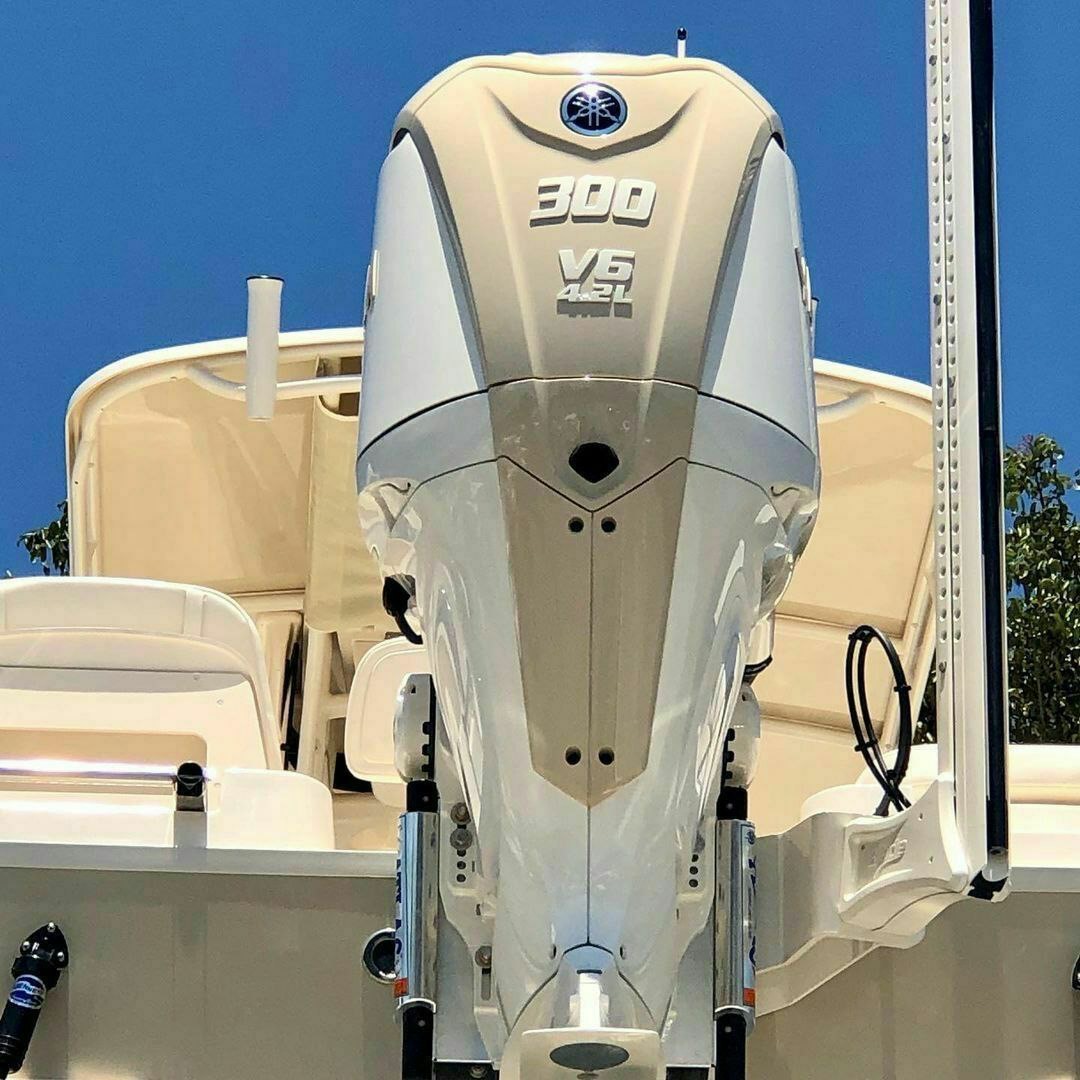
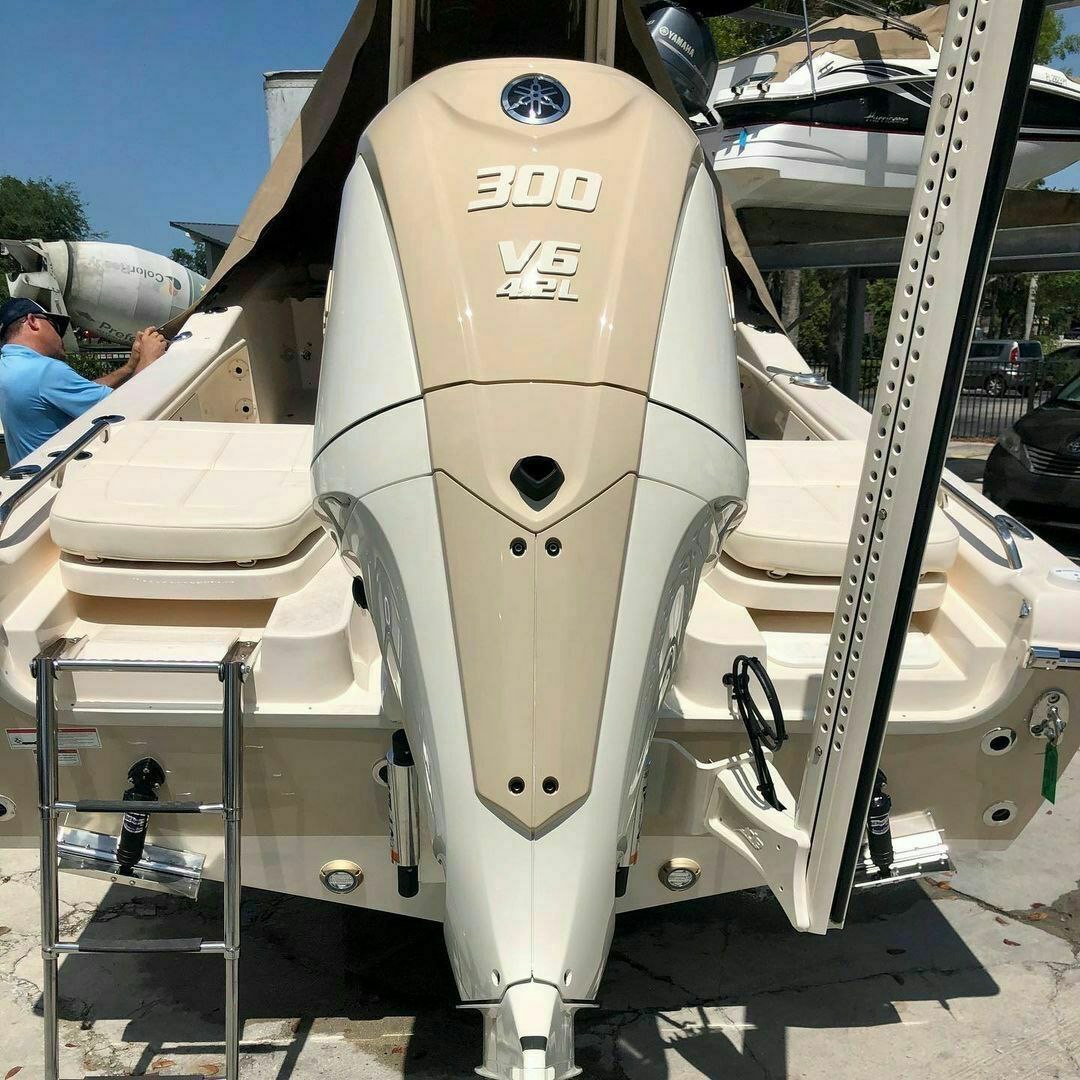
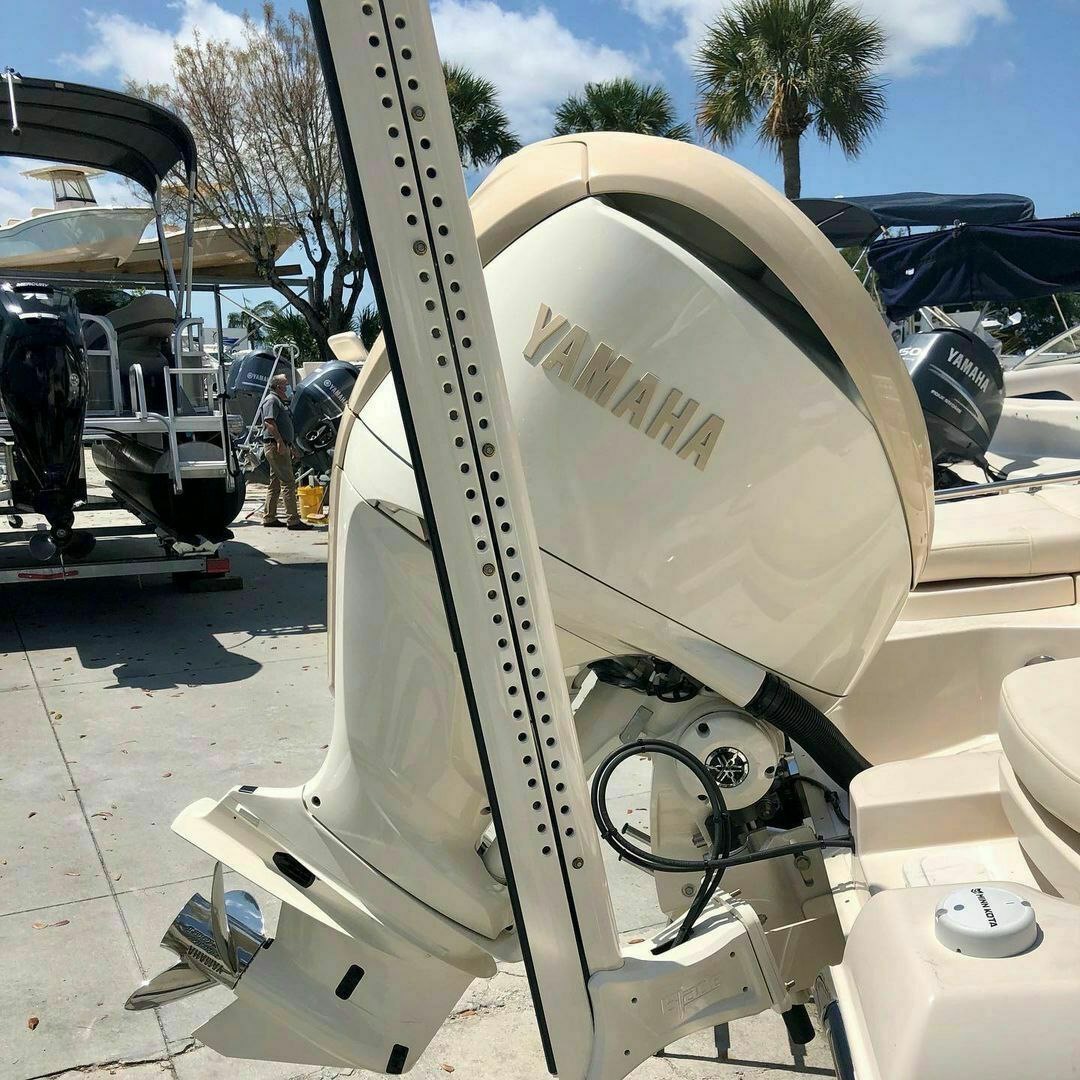
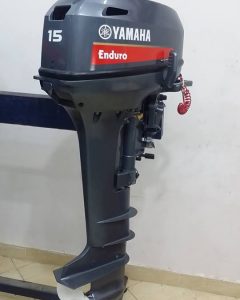
2022 Yamaha F300 V6 300HP Outboard Motor
The 2022 Yamaha F300 V6 Outboard is a 300-horsepower four-stroke marine engine for boats that require strong acceleration, high-output propulsion and modern electronic control. For a different Yamaha 300HP platform, compare the Yamaha F300 HPDI Outboard Motor. Yamaha’s F300 V6 platform uses a 4,169 cc 60-degree V6 powerhead with 24-valve DOHC cylinder heads and electronic fuel injection. Because Yamaha offered several F300 variants, the exact model designation should be confirmed when matching the engine to a boat, steering system and rigging package.
Yamaha F300 V6 Key Features
- 300 PS / approximately 300 HP class V6 four-stroke outboard
- 4,169 cc displacement
- 60-degree V6 configuration
- 24-valve DOHC engine architecture
- Electronic fuel injection
- 220.6 kW / 300 PS maximum prop-shaft output at 5,500 rpm
- Electric starter
- Power trim and tilt
- Digital Electronic Control on applicable F300F/F300G variants
- Remote control on applicable F300B/F300D variants
- 25-inch-class and longer transom configurations depending on model
Yamaha F300 V6 Specifications
| Specification |
Yamaha F300 V6 |
| Engine type |
Four-stroke, 24-valve DOHC, 60-degree V6 |
| Displacement |
4,169 cc |
| Bore × stroke |
96.0 × 96.0 mm |
| Maximum prop-shaft output |
220.6 kW / 300 PS at 5,500 rpm |
| Fuel induction |
Fuel injection |
| Starting system |
Electric starter |
| Controls |
Digital Electronic Control or remote control, depending on variant |
| Trim system |
Power trim and tilt |
| Transom height |
Varies by variant; approximately 25-inch, 30-inch and longer configurations are listed by Yamaha |
| Dry weight |
Approximately 260–299 kg depending on variant and specification |
4.2-Liter V6 Performance
The F300 belongs to Yamaha’s 4.2-liter V6 outboard family. Its 4,169 cc displacement, 60-degree V6 layout and 24-valve DOHC design provide the foundation for the engine’s 300-PS output. Yamaha specifies fuel injection and an engine-control module that manages fuel injection volume, injection timing and ignition timing to support efficient combustion.
Yamaha’s published specifications show several F300 variants. F300F and F300G models use Digital Electronic Control, while F300D and F300B versions use remote control. Some variants also incorporate different steering arrangements, so the exact model code matters when ordering an engine for a repower.
Digital Control and Steering
Applicable F300F and F300G models use Yamaha Digital Electronic Control. Yamaha also lists digital electric steering solutions for selected F300 variants and bolt-on digital electric steering options for others. These systems can simplify rigging by reducing the need for conventional hydraulic steering components, depending on the selected configuration.
Reverse Maneuvering and Trim Features
On applicable variants, Yamaha’s Thrust Enhancing Reverse Exhaust (TERE) helps keep exhaust bubbles away from the propeller during low-speed reverse operation, supporting reverse thrust and maneuverability. Yamaha also offers TotalTilt functionality on applicable models, allowing full tilt operation through a double press of the trim/tilt control.
Applications
A Yamaha F300 V6 can be suited to offshore fishing boats, center consoles, cruising boats and other larger recreational craft designed for a 300-horsepower outboard. Multiple-engine installations may also be possible when permitted by the boat manufacturer’s specifications and when the appropriate standard- and counter-rotation configurations are selected.
Installation and Repower Considerations
Before purchasing a Yamaha F300, verify the boat’s maximum rated horsepower, transom height, mounting requirements, steering arrangement, throttle and shift controls, electrical system and available clearance. Engine weight is also important during a repower because Yamaha’s published F300 weights vary by model and configuration.
Do not assume every F300 uses the same controls or steering equipment. Confirm the exact engine model code and whether the boat requires Digital Electronic Control or remote control before ordering rigging components. Propeller selection should also be matched to the boat, engine configuration and intended operating load.
Why Consider a Yamaha F300 V6?
The Yamaha F300 V6 combines a 4.169-liter displacement, six-cylinder configuration and 300-PS-class output with electronic fuel injection and modern control technology. For a compatible boat, it provides a high-output four-stroke propulsion platform with several configuration options for steering, controls and transom height.
Yamaha F300 V6 FAQs
How much horsepower does the Yamaha F300 produce?
Yamaha specifies the F300 at 220.6 kW, or 300 PS, at 5,500 rpm at the propeller shaft.
What is the displacement of the Yamaha F300 V6?
The F300 V6 has a 4,169 cc displacement with a 96.0 mm bore and 96.0 mm stroke.
Is the Yamaha F300 a V6?
Yes. Yamaha’s F300 uses a 60-degree V6 configuration with 24 valves and DOHC cylinder heads.
Does the Yamaha F300 use fuel injection?
Yes. Yamaha specifies fuel injection for the F300 V6.
Does every Yamaha F300 use Digital Electronic Control?
No. Yamaha lists Digital Electronic Control for F300F and F300G variants, while F300B and F300D variants are listed with remote control. Confirm the exact model before ordering controls or rigging.
What shaft or transom heights are available?
Yamaha lists different transom heights depending on the F300 variant. Current specifications include approximately 25-inch, 30-inch and longer configurations, so the exact model must be matched to the boat’s transom.
How much does a Yamaha F300 weigh?
Published Yamaha specifications show dry weights varying by F300 variant, generally in the approximately 260–299 kg range with propeller, depending on model and specification.
Can the Yamaha F300 be used for a repower?
Yes, when the boat is rated and configured for a 300-horsepower outboard. A repower should be checked for transom height, mounting, steering, controls, electrical integration, engine weight and propeller selection.
Looking for other marine propulsion options? Browse our outboard engines to compare available outboard motors by horsepower, brand and application.