
$6,000.00 Original price was: $6,000.00.$5,000.00Current price is: $5,000.00.
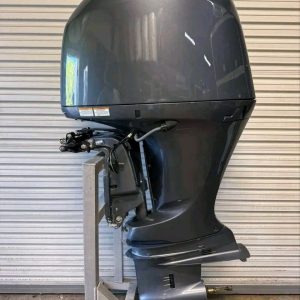
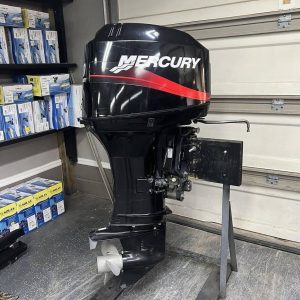
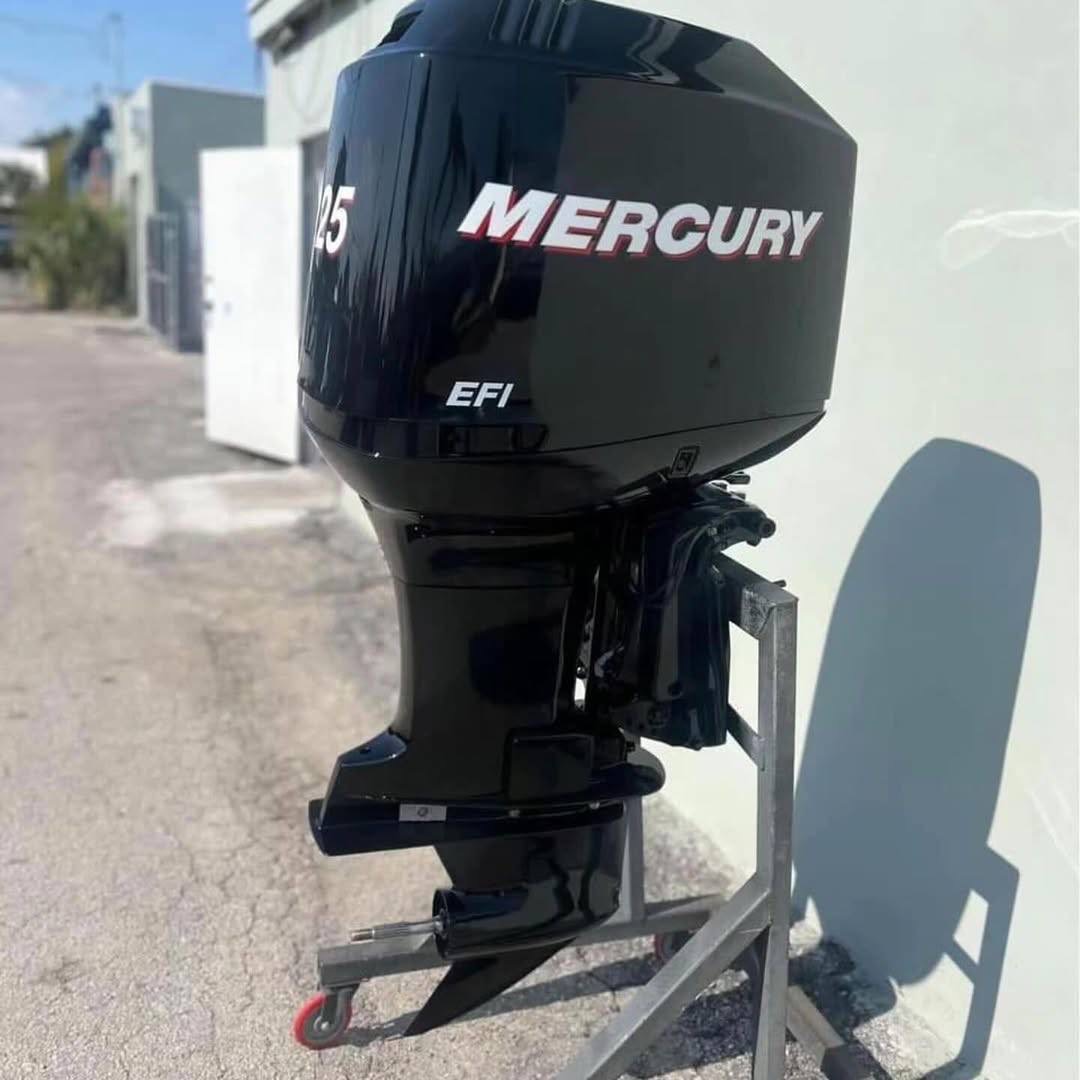
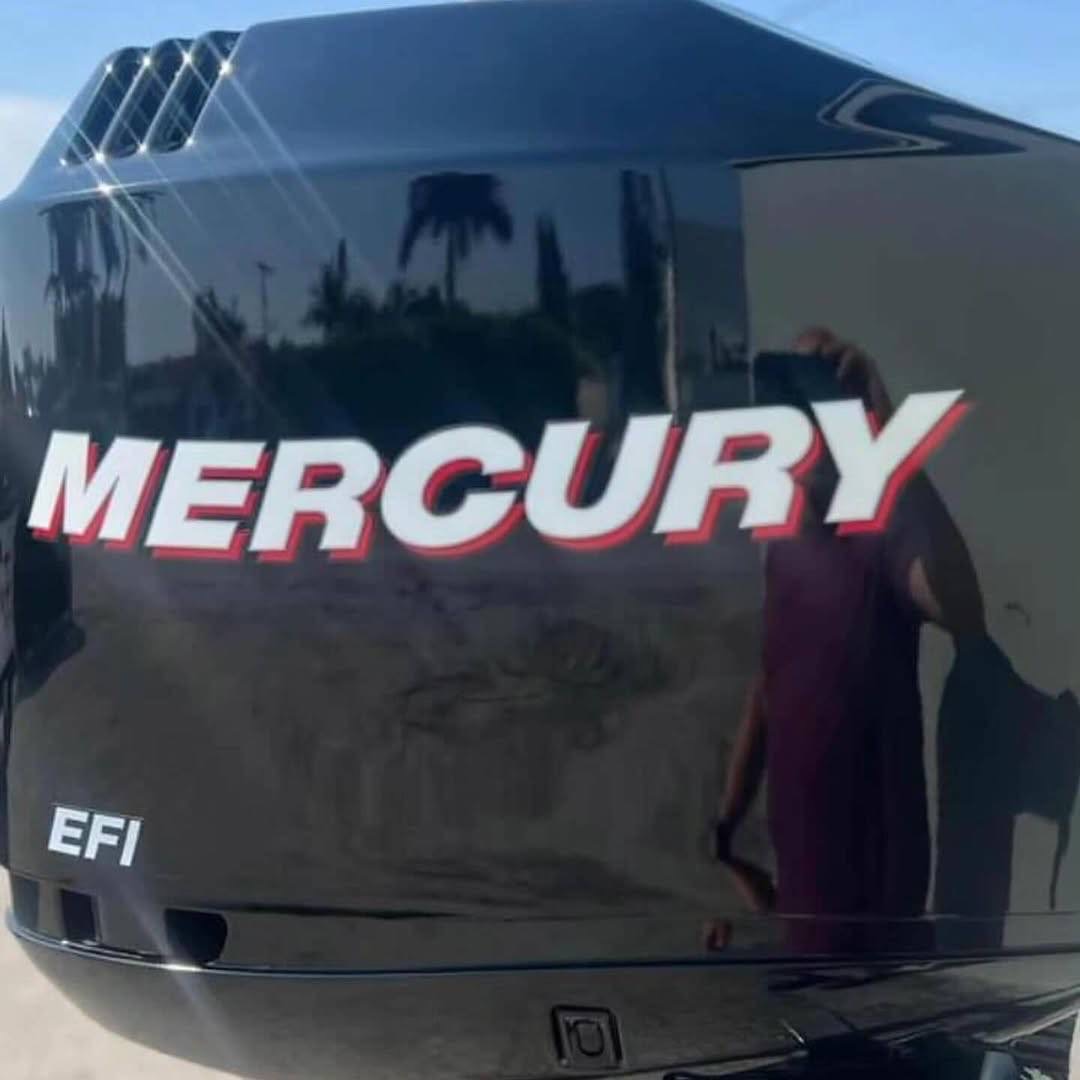
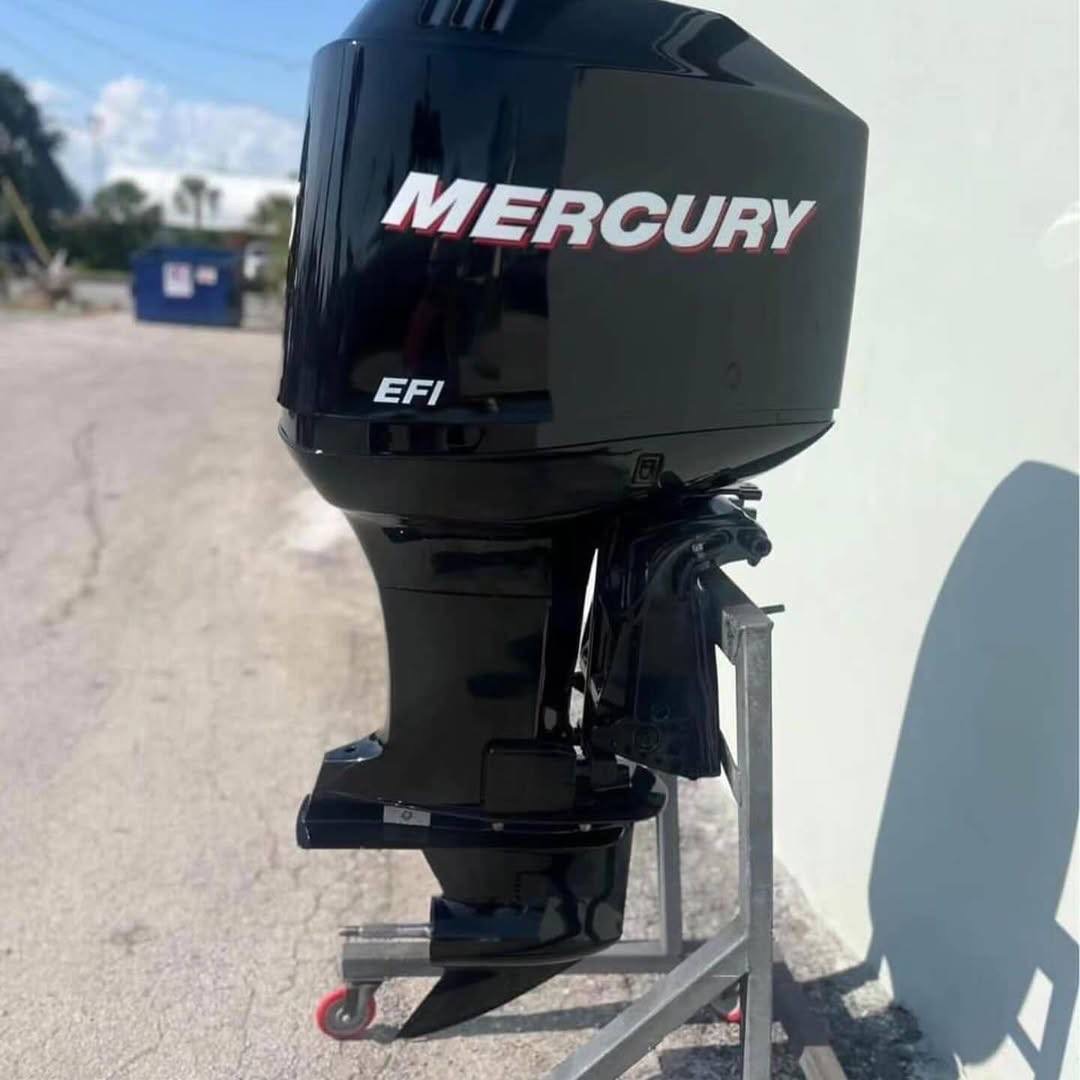
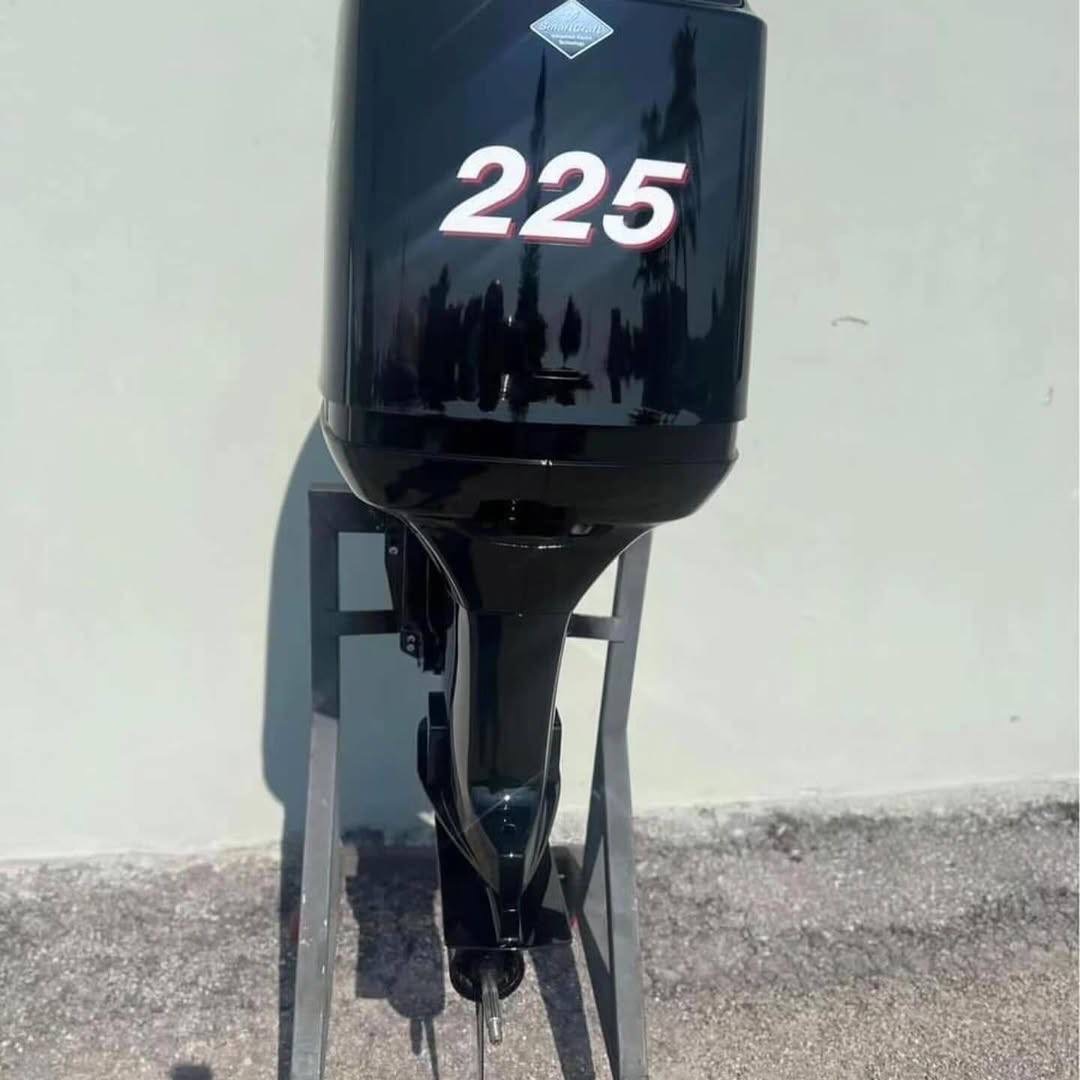
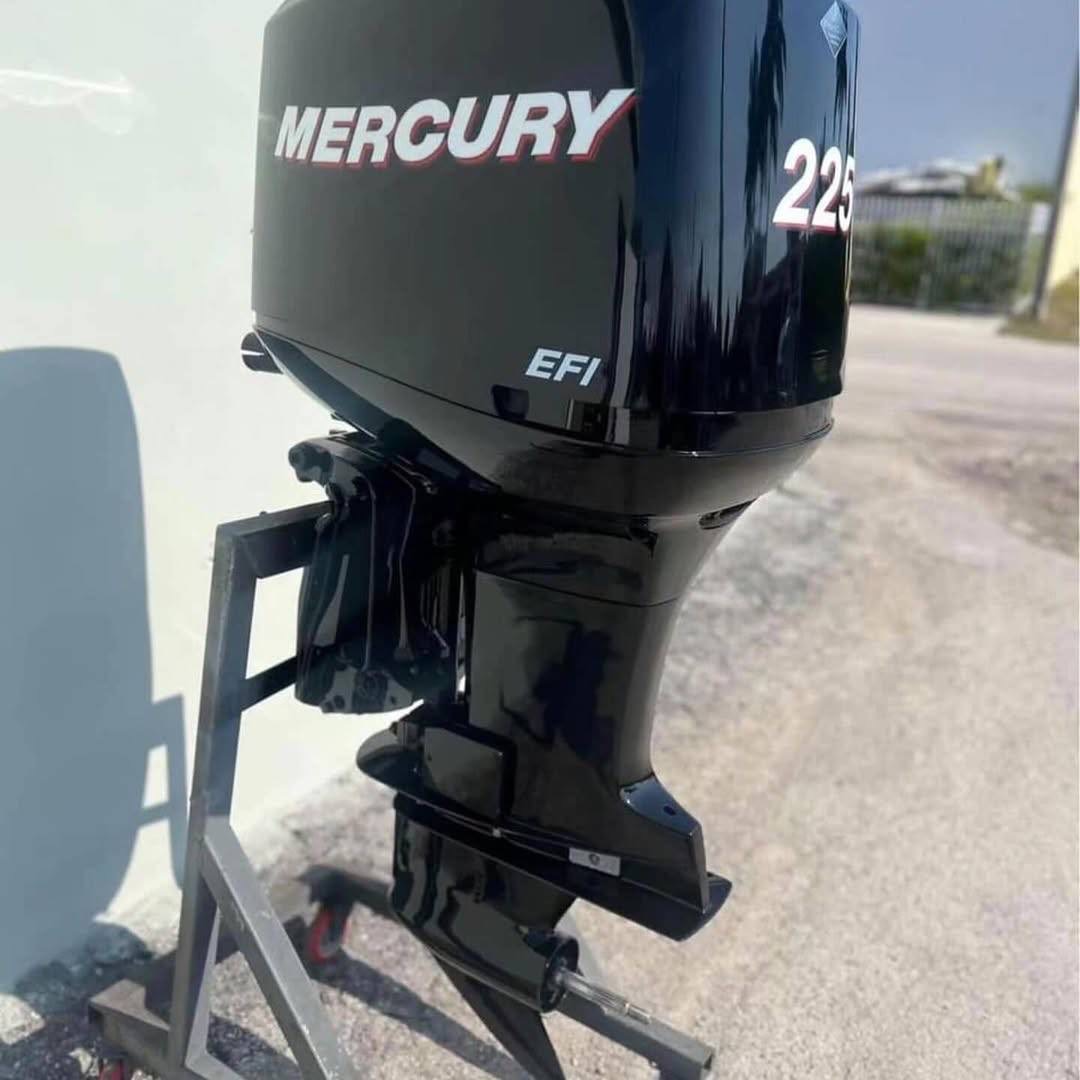
The 2004 Mercury 225 EFI outboard motor is a high-output 3.0-liter-class marine engine built around a 60-degree V6 powerhead and electronic fuel injection. This 225HP Mercury outboard is configured for larger boats that require substantial propulsion, remote steering, electric starting, and power trim. The listing specifies a 20-inch shaft, 1.75:1 gear ratio, 60-amp belt-driven alternator, and a dry weight of approximately 479 pounds.
For buyers looking for a classic Mercury 225 EFI rather than a modern four-stroke, the specifications on this page identify a mechanically straightforward high-horsepower package with electronic fuel injection, variable-ratio oil injection, remote controls, and a conventional F-N-R gear system. As with any older high-horsepower outboard, compatibility with the hull, transom, controls, rigging, and intended operating environment should be confirmed before purchase.
| Specification | 2004 Mercury 225 EFI |
|---|---|
| Horsepower | 225 HP / 168 kW |
| Engine configuration | 60-degree V6 |
| Displacement | 185 cu. in. / 3,032cc |
| Bore x stroke | 3.63 x 3.00 in. / 92 x 76 mm |
| Full-throttle RPM | 5,000–5,800 RPM |
| Fuel induction | Loop-charged electronic fuel injection |
| Exhaust | Through propeller |
| Lubrication | Single-point variable-ratio oil injection |
| Cooling system | Water-cooled with thermostat and pressure control |
| Ignition | Modular CDI with computer control |
| Starting | Electric, turnkey |
| Alternator | Belt-driven 60 amp / 756 watt with voltage regulator |
| Gear ratio | 1.75:1 |
| Gear shift | Forward-Neutral-Reverse |
| Steering | Remote |
| Trim system | Power trim |
| Shaft length | 20 in. / 508 mm |
| Dry weight | 479 lbs. / 218 kg |
| Warning systems | Overheat and low oil level |
The Mercury 225 EFI uses a 60-degree V6 configuration with 185 cubic inches (3,032cc) of displacement. Its 225 horsepower rating places it in the high-output outboard category and makes it appropriate for boats designed and rated for this level of propulsion.
The listed full-throttle operating range is 5,000 to 5,800 RPM. Propeller selection should be based on the actual boat, load, gearcase configuration, and operating conditions, with the engine reaching the manufacturer’s specified RPM range at wide-open throttle when correctly installed and loaded.
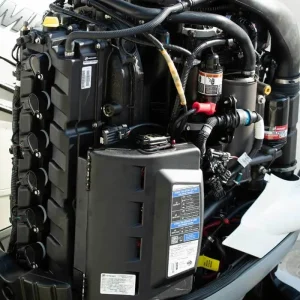
This Mercury 225 is equipped with loop-charged electronic fuel injection. EFI provides electronically controlled fuel delivery rather than a conventional carburetor arrangement. The fuel system should be kept clean and supplied with appropriate fuel, with particular attention to fuel quality and storage on an older engine.
Because this is a 2004 engine, buyers should evaluate the complete fuel system during inspection. Fuel lines, filters, pumps, injectors, connectors, wiring, and related components should be checked for age, contamination, deterioration, or previous repairs before putting a used engine into regular service.
The specification for this 225 EFI identifies a single-point variable-ratio oil-injection system. This is an important distinction from a modern four-stroke outboard because the engine’s lubrication system is designed around two-stroke operation and dedicated marine oil injection.
When evaluating an older Mercury 225 EFI, the oil reservoir, oil lines, pump operation, warning system, and associated components deserve careful inspection. Correct lubrication is essential to protecting the V6 powerhead, particularly when the engine is operated under sustained load.
The 2004 Mercury 225 EFI is configured for remote steering rather than tiller operation. It also uses turnkey electric starting and power trim. These features make the engine appropriate for a conventional helm-controlled installation on a larger boat.
The F-N-R gear system provides forward, neutral, and reverse operation. Power trim allows the operator to adjust the engine’s running position from the helm, helping accommodate changing boat load and operating conditions. The exact control box, harness, gauges, steering system, and rigging should be confirmed for the specific engine being purchased.
This listing specifies a 20-inch shaft, or approximately 508mm. Shaft length is a critical fitment measurement because the engine must sit correctly on the boat’s transom for the gearcase and propeller to operate at the intended depth.
Before purchasing, measure the boat’s transom and confirm the manufacturer’s recommended shaft length. Also verify the hull’s maximum horsepower rating, transom capacity, steering arrangement, mounting hardware, and compatibility with the required remote controls and rigging.
The listed Mercury 225 EFI uses a belt-driven 60-amp alternator rated at 756 watts with a voltage regulator. This provides electrical charging capability for the boat’s battery and onboard electrical equipment while the engine is operating.
Electrical output is especially relevant on boats using navigation electronics, pumps, communications equipment, lighting, and other accessories. When installing an older outboard, inspect the charging system, wiring, connections, regulator, and battery cables rather than assuming that the system will perform like a new installation.
The engine uses a water-cooled system with a thermostat and pressure control. The listed operator warning systems include protection for overheat and low oil level. These warning functions are important on a high-output outboard because cooling and lubrication problems can quickly become serious under load.
Before operation, verify adequate cooling-water flow and inspect the cooling system according to the applicable Mercury service information. Warning systems should never be ignored; an alarm or abnormal operating condition should be investigated before continued use.
The listed dry weight of the 2004 Mercury 225 EFI is approximately 479 pounds (218 kg). This is a substantial outboard, so transom capacity and weight distribution are important installation considerations.
The actual installed weight will be affected by rigging, controls, steering components, propeller, fuel connections, batteries, and other equipment. Buyers repowering an existing boat should compare the complete installation with the boat manufacturer’s transom and maximum-weight specifications.
The specification sheet lists compatibility with several Mercury propeller families, including Black Max, Vengeance, Laser II, Mirage Plus, Tempest Plus, Trophy Plus, High Five, Offshore P.S., QA3, QSS, QS2000, and QS3000. The correct propeller is not determined by horsepower alone; pitch, diameter, boat hull, gear ratio, load, and target RPM all matter.
The 1.75:1 gear ratio should also be considered when selecting a propeller and evaluating a repower. A propeller that is appropriate for another Mercury 225 configuration should not automatically be assumed to be correct for this engine.
Because this is an older high-horsepower outboard, a careful inspection is particularly important. Buyers should verify compression and overall powerhead condition, inspect the fuel and oil systems, check cooling-water operation, inspect the gearcase and propeller, test the charging system, and confirm that the remote controls and power trim operate correctly.
Serial-number-specific information should also be confirmed before ordering replacement parts or planning a repower. Mercury produced multiple 225HP configurations, including EFI and Optimax variants, so identifying the exact engine from its serial number helps prevent ordering incompatible parts.
If you are comparing this high-horsepower Mercury with other engines in the Performance Engines catalog, you can also review the 2023 Mercury 8MH for a compact 8HP option. For a mid-range Mercury outboard, see the Mercury 60HP Long Shaft EFI ELPT.
The engine is rated at 225 horsepower (168 kW). The listing identifies it as a 60-degree V6 with 185 cubic inches (3,032cc) of displacement.
This Mercury 225 EFI is a two-stroke V6 configuration using variable-ratio oil injection. It should not be confused with newer four-stroke Mercury 225 outboards.
The listed configuration uses a 20-inch shaft (508mm). Confirm the boat’s transom measurement and required shaft length before installation.
The listed dry weight is approximately 479 pounds (218 kg). Installed weight will be higher after rigging and other equipment are included.
Yes. The 2004 model listed here uses loop-charged electronic fuel injection.
Yes. The listed engine configuration includes power trim and remote steering.
The listed gear ratio is 1.75:1. Propeller selection should take this ratio and the boat’s actual operating requirements into account.
Yes. The specifications list a belt-driven 60-amp, 756-watt alternator with voltage regulation.
The listed full-throttle operating range is 5,000–5,800 RPM. Actual RPM depends on propeller selection, boat loading, hull design, and installation condition.
No. The product information identifies this engine as the 225 EFI. Mercury also produced 225 Optimax models, which use a different fuel and air-induction design. Confirm the exact model and serial number when purchasing parts or planning a repower.
Explore more outboard engines at Performance Engines.