
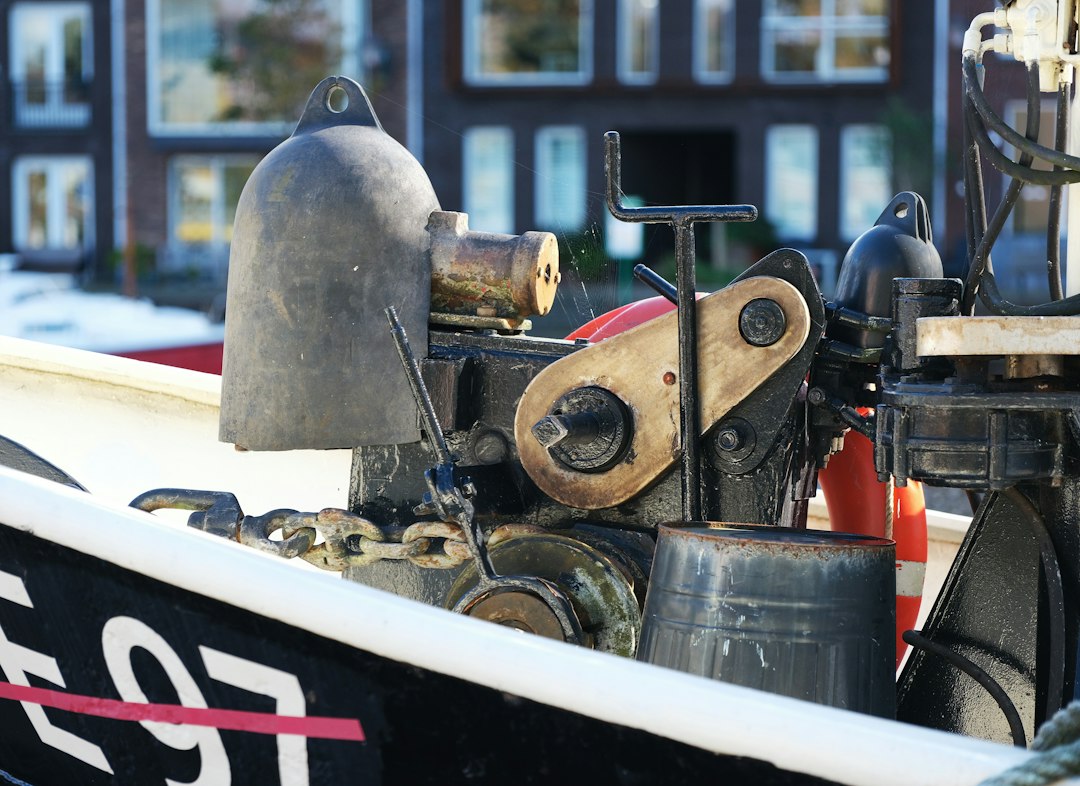
Common boat engine problems often begin with a change: slower cranking, difficult starting, unusual smoke, rising temperature, vibration, a new noise or reduced power. A calm, systematic inspection can help identify what information a marine technician needs. It is important to distinguish basic observations from repairs that require specialist tools. Never keep running an engine with an oil-pressure alarm, severe overheating, fuel leak or dangerous vibration.
Check simple items first: battery state, battery switch, emergency-stop lanyard where fitted, neutral safety interlock and fuel level. A weak battery may turn the starter slowly or cause electronic systems to reset. Note whether the starter does not engage, clicks repeatedly, turns slowly or cranks normally without the engine firing. These different symptoms point toward different diagnostic paths. See our boat engine won’t-start troubleshooting guide for a more detailed checklist.
Possible causes include restricted fuel flow, contaminated fuel, air entering a fuel line, a blocked tank vent, an idle-control issue or an electrical fault. Check only accessible items described in the manual. Do not loosen pressurized fuel fittings or use starting fluid unless the manufacturer specifically permits it. Record whether stalling happens immediately after startup, when shifting into gear or after the engine warms up.
Stop the engine and follow the emergency procedure. Once safe and cool, inspect visible water intakes, strainers, hoses and coolant level if applicable. A blocked intake, failed pump component, thermostat fault or restricted heat exchanger can cause overheating. Never remove a hot pressure cap. Repeated overheating needs professional diagnosis even if the temperature returns to normal after a restart.
Reduced power can relate to fuel delivery, air restriction, ignition, exhaust restriction, cooling protection mode, sensor faults, propeller or drivetrain issues, or excessive load. Record whether the symptom occurs at idle, during acceleration or at sustained cruising speed. Note warning lights, engine temperature and recent changes in fuel or maintenance. Avoid continued high-load operation until the cause is known.
With the engine off and secured, inspect the propeller or drive for visible damage, fishing line, debris or impact marks. Loose mounts, damaged couplings, shaft alignment problems or internal engine faults also require attention. A new knock, grinding sound or sudden vibration is a reason to stop and seek professional diagnosis. Do not reach near a propeller or rotating shaft while the engine is running.
Dim electronics, low-voltage alarms or repeated battery discharge can point to a weak battery, corroded connections, charging-system fault or parasitic draw. Check terminals for corrosion and secure connections only with the electrical system safely isolated as directed by the manual. Repeatedly replacing a battery without testing the charging system may not solve the underlying problem.
A change in exhaust appearance, burning smell, fuel odor or contaminated oil or coolant deserves attention. Smoke color alone is not a reliable diagnosis because causes vary by engine type and operating conditions. Fuel odor or visible fuel leakage is an immediate safety concern: do not start the engine or operate electrical switches in a vapor-filled space.
Record engine make, model, serial number, hours, warning messages, recent service, fuel age and the conditions when the fault appears. Photos of visible damage can help a technician. Do not bypass safety switches, alarms or protective systems to keep operating.
Fuel leaks, oil-pressure warnings, repeated overheating, internal knocking, smoke, electrical burning smells and recurring fault codes require qualified service. Shut down and arrange assistance rather than turning a minor fault into a major failure. Explore the Boat Engine Maintenance & Repair Guide for more maintenance and diagnostic topics.