
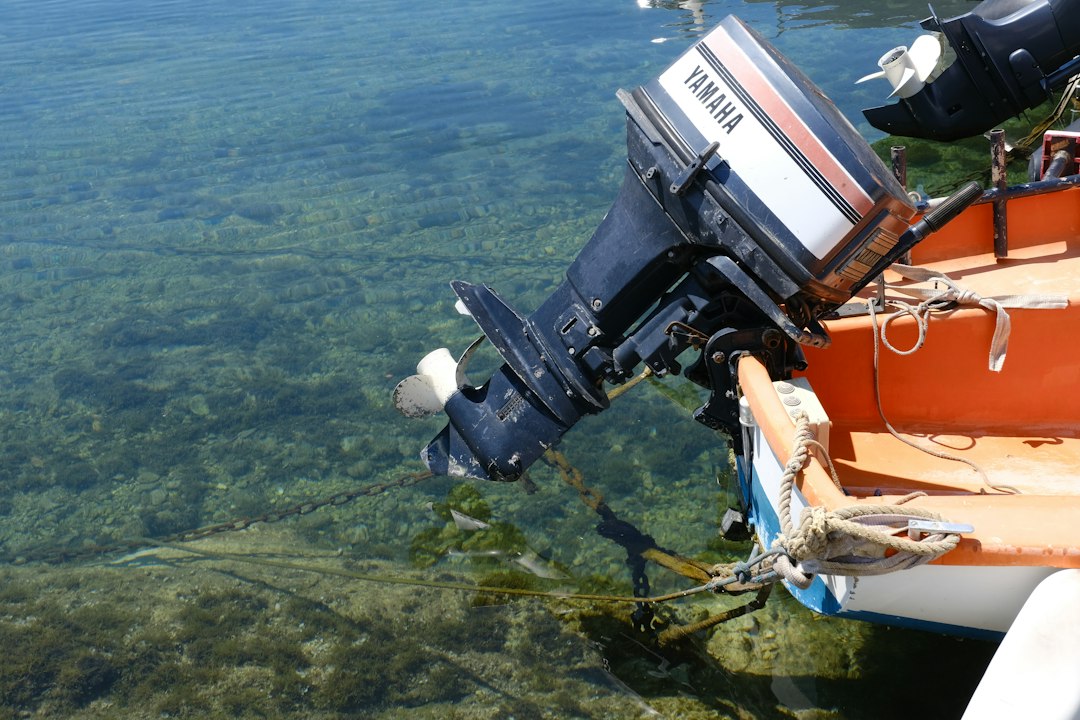
A boat engine that won’t start can be frustrating, but the sound and behavior during a start attempt provide useful clues. First make sure the vessel is secured, ventilation is adequate, the gear selector is in the required position and everyone is clear of moving parts. If you smell fuel, stop trying to start the engine, avoid operating electrical switches in the affected space, ventilate according to the vessel’s emergency procedure and seek help.
Confirm the emergency-stop switch or lanyard is correctly installed where fitted. Check that the control is in neutral and that battery, ignition or engine-enable switches are in the correct position. Some systems prevent cranking unless a neutral or safety interlock is satisfied. Review the owner’s manual for the correct start sequence, especially on electronically controlled engines.
Look for loose or corroded terminals, damaged cables and a battery that is not secured. Use a suitable meter and the battery manufacturer’s guidance if you know how to test it safely. Do not short terminals with tools, reverse polarity or attempt an improvised jump-start. Follow the boat and engine maker’s approved procedure. If the battery repeatedly loses charge, have the charging system and parasitic loads tested.
Check fuel level and inspect accessible lines and filters for obvious damage or leakage. A closed tank vent, old or contaminated fuel, a restricted filter or air entering the system can prevent proper delivery. Diesel systems may require model-specific priming or bleeding procedures; do not improvise these steps. If fuel odor or leakage is present, stop and follow the vessel’s fuel-leak emergency procedure.
Possible causes include ignition faults on gasoline engines, fuel-pressure or injection problems, sensor faults, an immobilizer issue, blocked air intake or a mechanical problem. Check warning messages and diagnostic codes where the system permits. Avoid repeated long cranking attempts, which can overheat the starter and drain the battery.
Note engine make, model, serial number, hours, battery age, whether the starter turns, any warning messages and recent maintenance or fuel changes. This helps a technician choose the right tests and reduces guesswork.
You detect fuel vapors or leakage, smoke, damaged wiring, abnormal mechanical noise or a recurring fault. If basic checks do not identify the issue, arrange a marine technician. Never bypass an interlock or safety device just to get the engine running. For other common faults, see our Boat Engine Maintenance & Repair Guide.