$3,000.00 Original price was: $3,000.00.$2,500.00Current price is: $2,500.00.
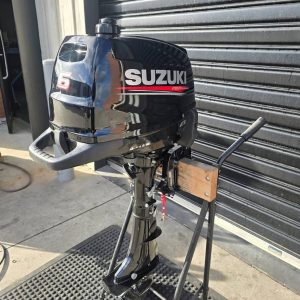
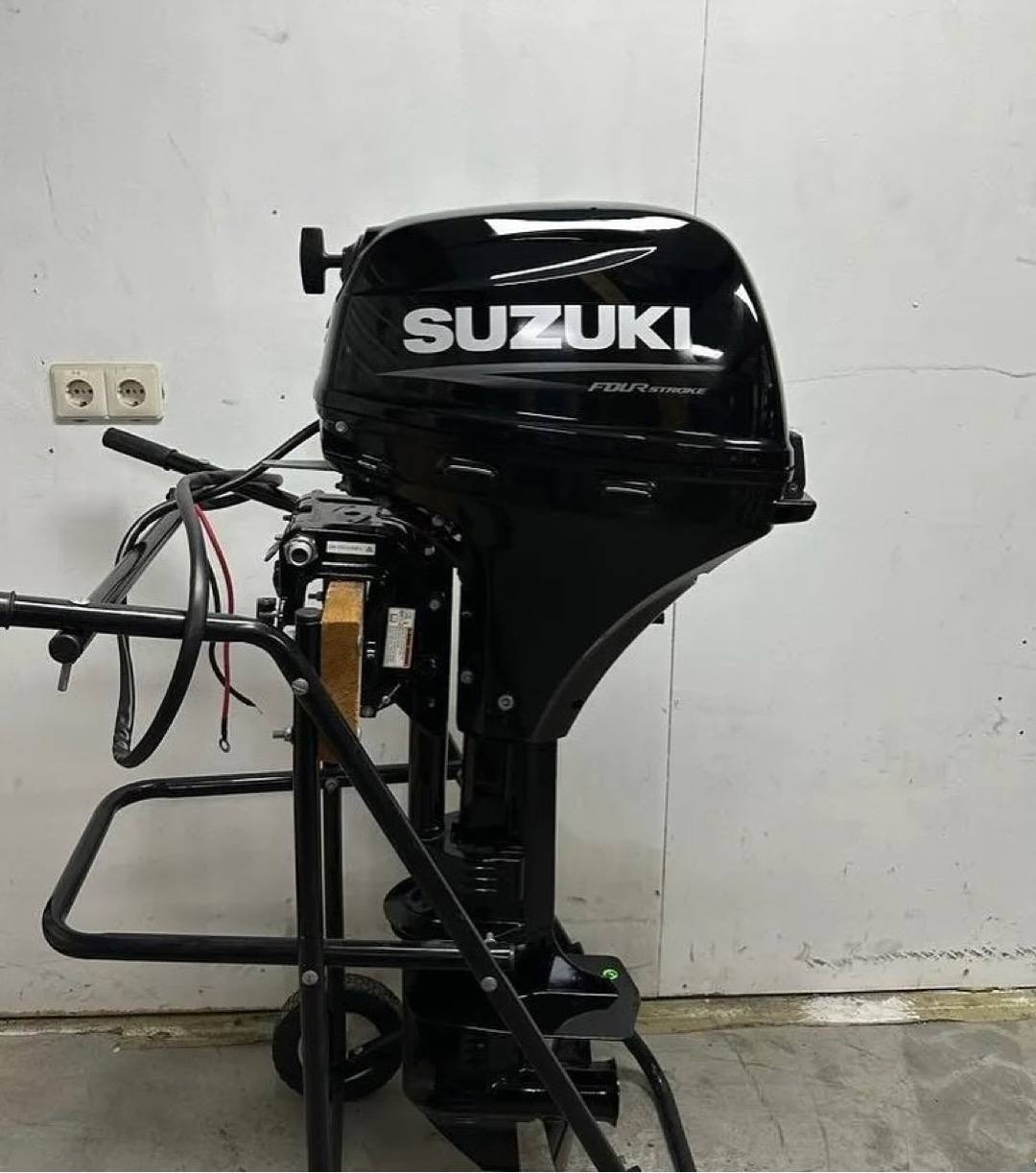
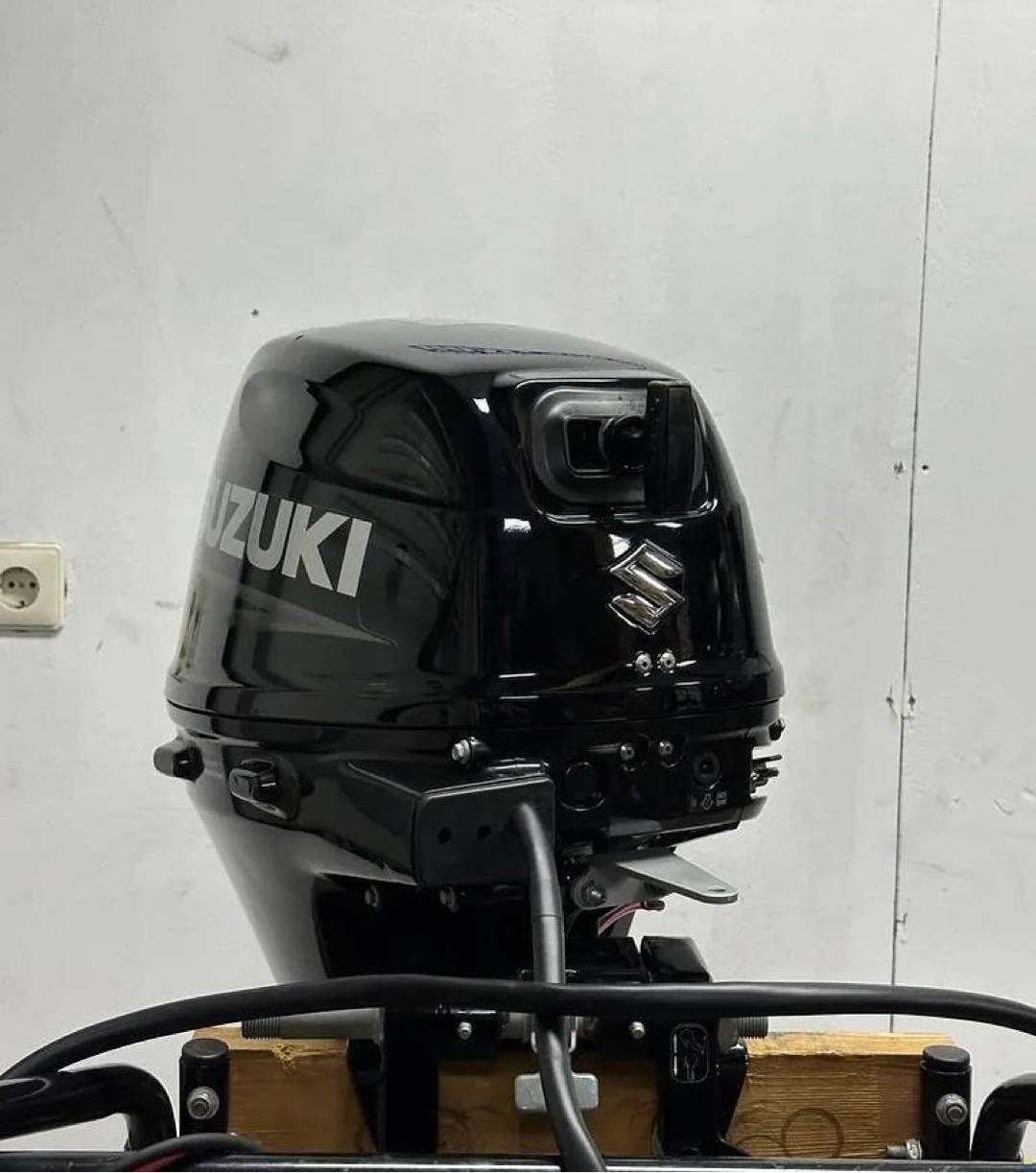
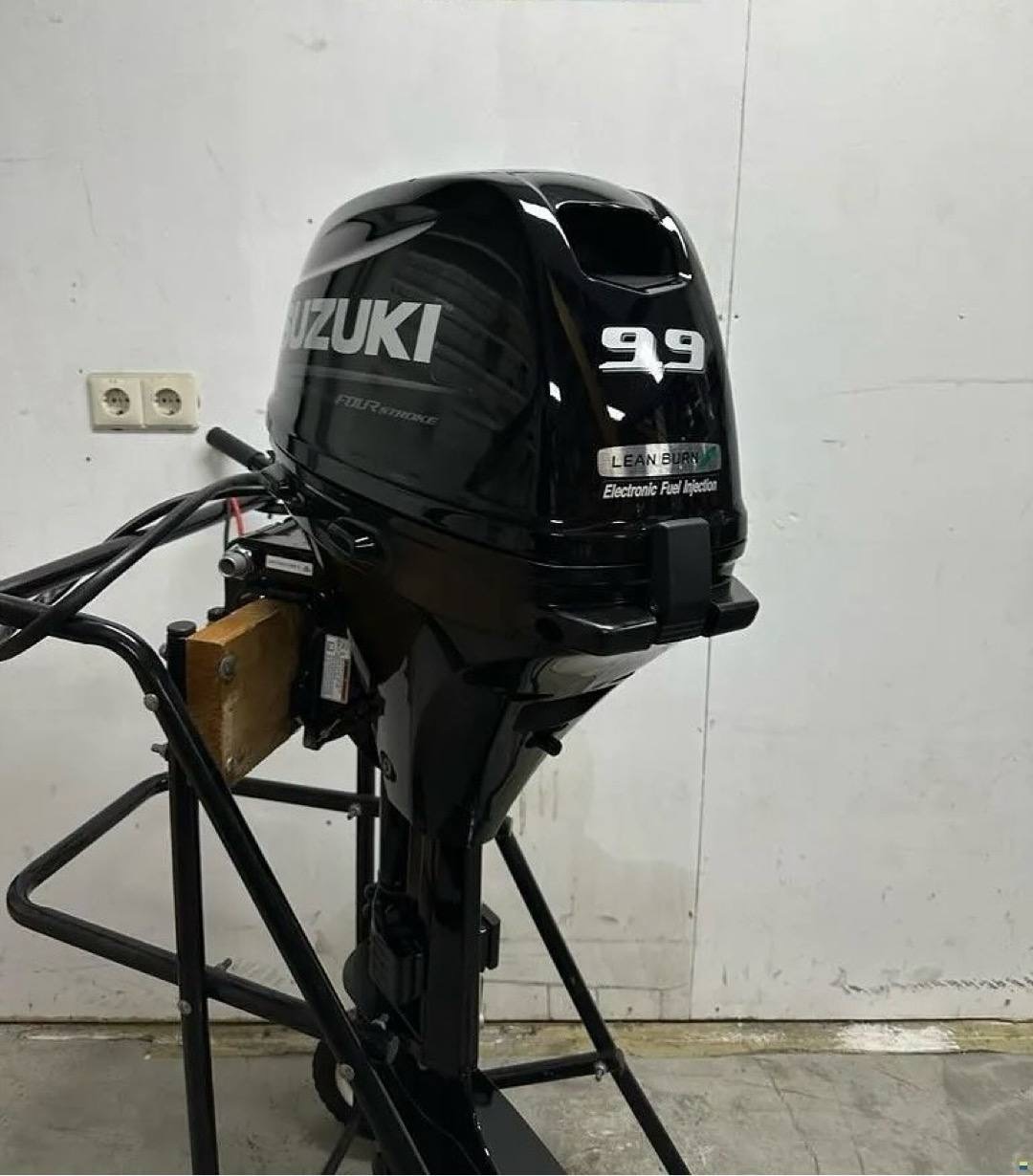
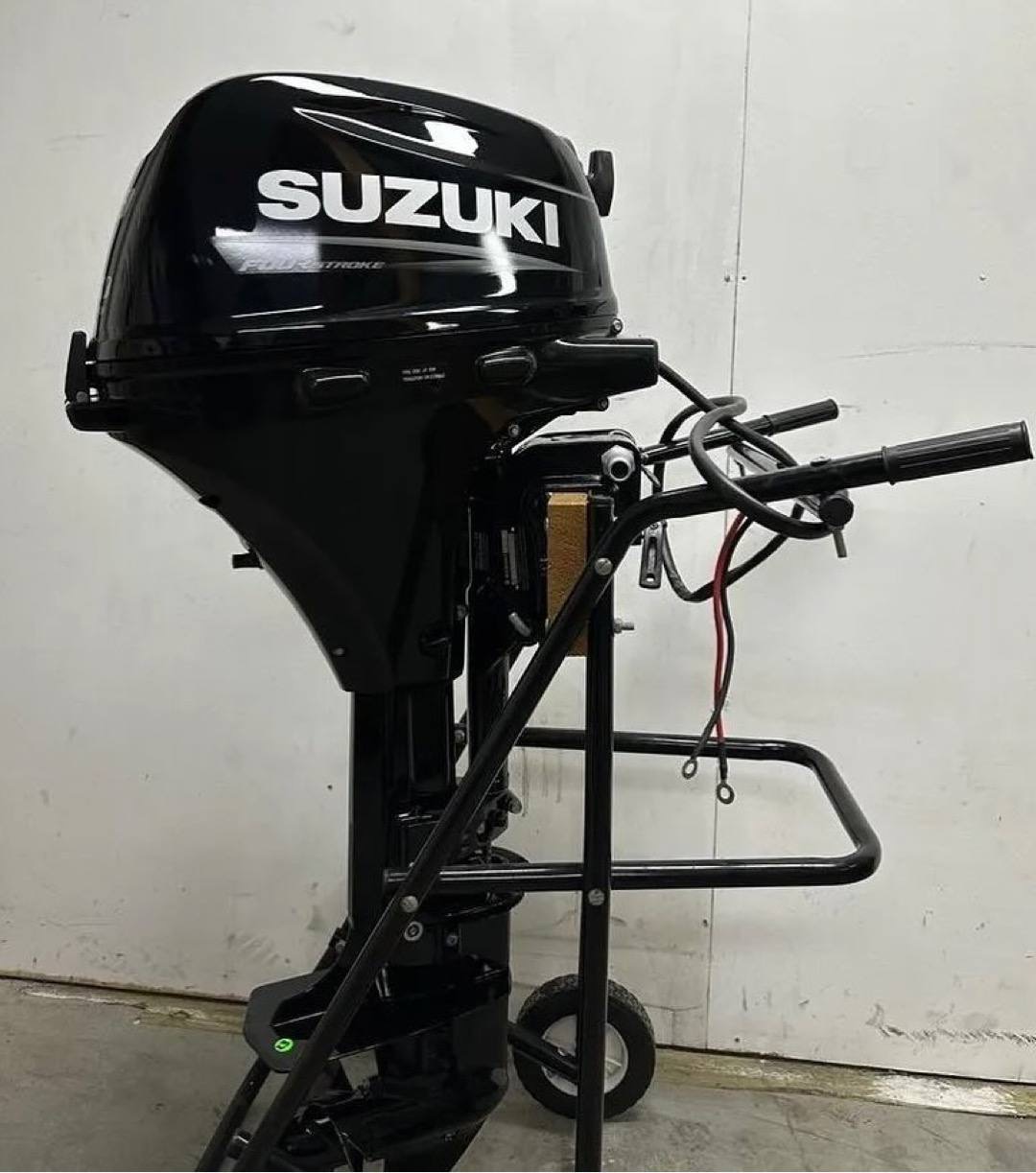
The 2020 Suzuki 9.9HP 4-stroke EFI outboard is a compact two-cylinder marine engine designed for small fishing boats, skiffs, tenders, inflatables, and other boats that need efficient portable propulsion. The model belongs to Suzuki’s DF9.9B family and combines a 327cc SOHC four-valve powerhead with battery-less electronic fuel injection and Lean Burn technology.
The existing product listing identifies this engine as a 2020 Suzuki 9.9HP 4-stroke EFI outboard and describes it as compact, lightweight, fuel injected, quiet, and smooth. It also identifies applications such as jon boats, skiffs, tenders, and inflatables. Suzuki documentation for the DF9.9B confirms the two-cylinder 327cc engine, 9.9HP output, 4,700–5,700 RPM operating range, 2.08:1 gear ratio, and battery-less EFI system.
| Specification | DF9.9B |
|---|---|
| Model year | 2020 |
| Horsepower | 9.9 HP |
| Engine type | 4-stroke SOHC 4-valve |
| Cylinders | Inline 2 |
| Displacement | 327cc / 20.0 cu. in. |
| Bore x stroke | 60.4 x 57 mm / 2.38 x 2.24 in. |
| Operating range | 4,700–5,700 RPM |
| Fuel delivery | Battery-less electronic fuel injection with Lean Burn |
| Ignition | Digital CDI |
| Gear ratio | 2.08:1 |
| Gear shift | Forward-Neutral-Reverse |
| Exhaust | Through-prop hub |
| Oil capacity | 1.0 liter / approximately 1.06 US qt. |
| Fuel | 87-octane gasoline |
| Standard fuel tank | Separate 12-liter tank configuration |
Exact weight, starting system, shaft length, steering arrangement, and trim equipment depend on the DF9.9B variant. Suzuki documentation lists 15-inch and 20-inch configurations, with manual and electric-start versions available. Confirm the exact model suffix and serial number for the engine being purchased before ordering parts or rigging equipment.
The Suzuki DF9.9B uses a 327cc inline two-cylinder four-stroke engine with a single overhead camshaft and four valves. The 9.9HP rating provides a practical power level for small boats while retaining the smooth operation and controlled fuel delivery associated with a four-stroke design.
The specified operating range is 4,700–5,700 RPM. Propeller selection should allow the engine to reach the appropriate RPM at wide-open throttle under normal operating load. Boat hull design, passenger weight, gear, water conditions, and propeller pitch all affect the final operating RPM and performance.
One of the defining features of the DF9.9B is its battery-less electronic fuel injection. Suzuki developed the system so the engine can operate its EFI system without depending on a separate starting battery. This helps keep the portable package compact while providing electronically controlled fuel delivery.
The EFI system is paired with Suzuki Lean Burn technology. Suzuki describes Lean Burn as an electronically managed fuel-air strategy designed to optimize fuel delivery according to operating conditions. This can be particularly useful during cruising and variable-load operation where fuel economy matters.
The DF9.9B was developed as a compact and lightweight outboard. Suzuki’s engineering documentation describes the 9.9B as part of its portable range and notes that the new fuel-injection system was packaged to maintain a compact engine size.
Depending on the exact variant, Suzuki lists approximately 97 pounds for a 15-inch manual-start configuration and approximately 99 pounds for a 20-inch manual-start configuration. Electric-start versions are heavier. Because the product listing does not specify the suffix, shaft, or starting configuration, buyers should verify those details before relying on a particular shipping or installation weight.
The 2020 DF9.9B family was offered in multiple transom configurations, including 15-inch and 20-inch shaft lengths. Some versions also extend to a 25-inch configuration. The correct shaft depends on the boat’s transom height and the specific DF9.9B variant.
Do not choose shaft length based solely on the 9.9HP rating. Measure the boat’s transom and compare it with Suzuki’s recommended installation dimensions. The engine should be mounted so the gearcase and propeller operate at the correct depth while maintaining appropriate clearance.
The DF9.9B family was available in different control configurations. Suzuki documentation identifies tiller-controlled versions as well as remote-control variants. Some models were also offered with electric start and power tilt.
The product’s original description specifically refers to a multi-function tiller lever that can integrate steering, throttle, throttle-tension, and related controls on applicable versions. It also mentions one-touch steering-tension adjustment. Because equipment varies by model suffix, buyers should confirm whether the particular engine is tiller, remote, manual-start, electric-start, or power-tilt equipped.
Standard DF9.9B configurations use multiple manual tilt positions, with shallow-water drive positions available. Optional power tilt is available on applicable variants. Manual trim allows the operator to adjust the engine position to suit the boat and operating conditions without requiring a dedicated hydraulic trim system.
Shallow-water drive is useful when additional propeller clearance is required at low speeds. It should not be treated as permission to operate at high speed in shallow water. Always follow safe operating procedures and the engine manufacturer’s instructions.
The DF9.9B uses a 2.08:1 gear ratio and through-prop-hub exhaust. Suzuki documentation lists propeller selections in the 7–11-inch range for the model family, although the correct propeller depends on the boat and exact application.
Propeller pitch should be selected so the engine can operate within its specified 4,700–5,700 RPM range at wide-open throttle. A propeller that works correctly on one small boat may not be appropriate on another because hull design and load have a major effect on engine RPM.
Suzuki documentation lists 87-octane gasoline for the DF9.9B and approximately 1.0 liter of engine-oil capacity. Use the correct marine four-stroke oil and follow the maintenance schedule applicable to the engine’s serial number and model variant.
Fuel quality is particularly important for an EFI outboard. If the engine is stored for extended periods, follow Suzuki’s fuel-storage recommendations rather than leaving untreated fuel in the system. Inspect fuel lines, filters, connectors, and the tank before seasonal operation.
The DF9.9B has a dedicated Suzuki maintenance-parts program. Suzuki lists maintenance kits for the DF9.9B/15A/20A family covering items such as the water-pump service components, spark plugs, fuel filter, engine oil filter, protection anodes, gaskets, and related service parts.
Routine maintenance should include engine oil, filters, spark plugs, cooling-water system inspection, gear oil, anodes, fuel-system inspection, and propeller inspection according to the applicable Suzuki schedule. For an older 2020 engine, service history is useful when evaluating condition, especially if the motor has been stored for long periods or operated in saltwater.
The 2020 Suzuki 9.9HP DF9.9B is a useful option when a boat needs more output than a very small portable outboard but does not require a 15HP or 20HP engine. Its two-cylinder 327cc powerhead, battery-less EFI, Lean Burn technology, and multiple shaft and control configurations give it flexibility across small-boat applications.
Before purchase or installation, confirm the exact model suffix, shaft length, starting system, steering arrangement, trim equipment, boat horsepower rating, transom height, and engine weight. These details determine whether the particular DF9.9B configuration is suitable for the intended boat.
If you are comparing smaller portable outboards, the 2020 Yamaha F2.5 4-stroke outboard is a much lower-power option. For a Mercury alternative in a similar small-outboard category, you can also review the 2023 Mercury 8MH.
The DF9.9B is rated at 9.9 horsepower. It uses a 327cc inline two-cylinder four-stroke powerhead.
Yes. The DF9.9B uses battery-less electronic fuel injection and Suzuki Lean Burn technology.
The DF9.9B’s EFI system is designed to operate without a separate battery. However, some model variants have electric starting and electrical equipment, so the exact starting configuration should be confirmed before installation.
The engine has two inline cylinders and uses a SOHC four-valve configuration.
The DF9.9B has 327cc of piston displacement, equivalent to approximately 20.0 cubic inches.
The specified operating range is 4,700–5,700 RPM. Propeller selection should allow the engine to reach the appropriate RPM at wide-open throttle under the boat’s normal load.
The DF9.9B family was offered in 15-inch and 20-inch shaft configurations, with additional long-shaft variants available depending on model. Confirm the exact model suffix before ordering.
Weight depends on the configuration. Suzuki documentation lists approximately 97 pounds for a 15-inch manual-start version and approximately 99 pounds for a 20-inch manual-start version; electric-start versions are heavier.
Yes. The DF9.9B uses a forward-neutral-reverse gear system.
Yes. It is a four-stroke SOHC four-valve engine with two cylinders and electronic fuel injection.
Explore more outboard engines at Performance Engines.