$5,000.00 Original price was: $5,000.00.$4,500.00Current price is: $4,500.00.
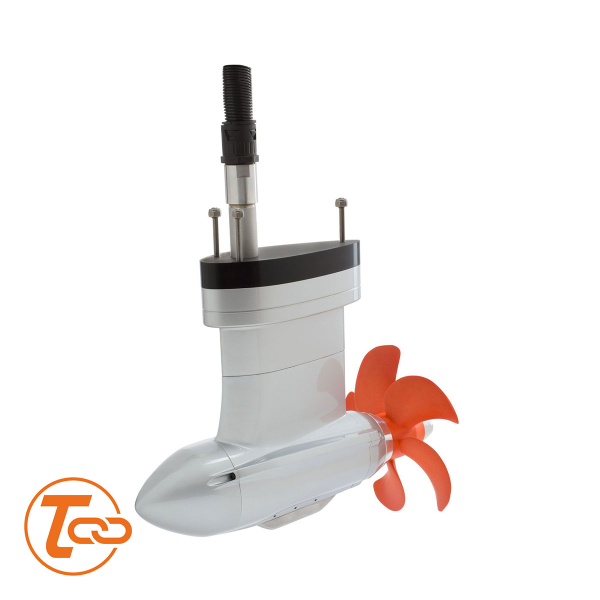
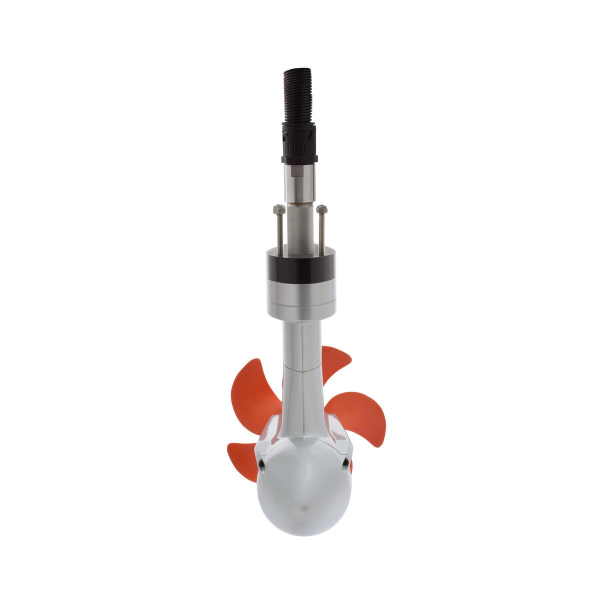
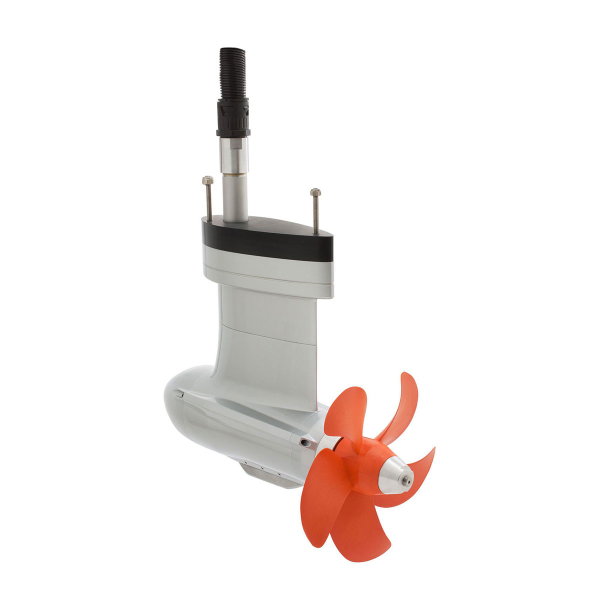
The Torqeedo Cruise 12.0 FP is a high-power electric outboard system for boats that need substantially more propulsion than a small portable electric motor can provide. The Cruise 12.0 platform delivers up to 12,000 W of input power and is designed around a 48 V battery system. The FP configuration is intended for fixed-pitch propeller applications and is part of Torqeedo’s Cruise range for larger motorboats, displacement boats and sailboats.
Torqeedo describes the Cruise 12.0 as a 25 HP-equivalent electric drive. The system uses Power 48-5000 lithium batteries and an onboard computer for operating information such as speed, power consumption, battery state of charge and remaining range when used with the appropriate display and controls.
The Cruise 12.0 platform provides 12 kW of input power and is marketed by Torqeedo as the electric equivalent of approximately 25 HP. It is intended for applications where strong electric propulsion is required without moving to a much larger commercial propulsion system.
Torqeedo’s published Cruise specifications identify 6,720 W of propulsive power and maximum overall efficiency of approximately 56% for the Cruise 12.0 platform. Published static-thrust figures are also available, but actual boat performance depends on the hull, load, propeller, battery capacity and operating conditions.
The Cruise 12.0 requires a separate battery system. Torqeedo recommends two Power 48-5000 lithium batteries for the Cruise 12.0. The batteries form the energy source for the 48 V propulsion system and are connected to the motor using the appropriate Torqeedo cabling and system components.
Torqeedo states that using only one Power 48-5000 battery limits the Cruise 12.0 system to 6 kW of engine power. Configurations using more than two Power 48-5000 batteries should be planned with an authorized Torqeedo dealer because battery configuration affects the complete electrical system.
The Cruise 12.0 includes an onboard computer that collects propulsion and battery information. With the appropriate Torqeedo display and throttle configuration, the operator can monitor speed, input power, battery state of charge and remaining range.
Range is not a fixed specification. It changes according to boat type, displacement, passenger and equipment load, propeller, speed, water conditions, battery capacity and weather. Published Torqeedo range figures should therefore be treated as test results rather than guaranteed performance.
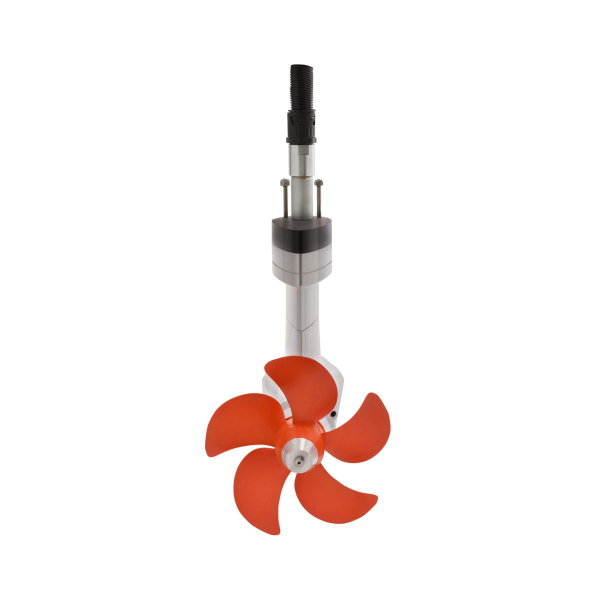
The FP designation identifies a fixed-pitch propeller configuration. Propeller selection is important because pitch and diameter affect acceleration, cruising efficiency, thrust and maximum speed.
Torqeedo provides specific propeller choices for the Cruise range. The correct propeller should be selected according to the exact Cruise 12.0 configuration and intended boat application rather than substituting an unapproved propeller.
The Cruise 12.0 provides stepless forward and reverse control. Electric propulsion allows precise low-speed power control, which can be useful when maneuvering in marinas, approaching docks or operating a displacement hull at low speed.
Control equipment varies with the specific Cruise configuration. Confirm the required throttle, steering and communication components when specifying a complete system.
Torqeedo positions the Cruise 12.0 for motorboats, dinghies, sailboats and commercial applications. The company also describes the system for displacement boats up to approximately 12 tons, subject to the boat, load and operating requirements.
For sailboats, the Cruise 12.0 can be considered as an auxiliary propulsion system where an electric alternative to a combustion outboard is appropriate. For motorboats and displacement craft, battery capacity and expected cruising speed should be evaluated before selecting the system.
The Cruise range uses corrosion-resistant materials intended for marine environments. Torqeedo incorporates galvanic corrosion protection and anodes for marine operation. Proper maintenance remains important, especially in saltwater, where electrical connections, anodes and submerged components should be inspected according to the manufacturer’s maintenance schedule.
| Specification | Torqeedo Cruise 12.0 FP |
|---|---|
| Drive type | Electric outboard |
| Input power | 12,000 W |
| Propulsive power | 6,720 W |
| Equivalent power | 25 HP |
| Nominal system voltage | 48 V |
| Maximum overall efficiency | Approximately 56% |
| Battery | Power 48-5000 lithium battery system |
| Recommended battery configuration | 2 × Power 48-5000 |
| Propeller configuration | Fixed pitch |
| Drive control | Stepless forward and reverse |
| Onboard computer | Yes |
| Range information | Available through compatible display/control system |
A major consideration with the Cruise 12.0 FP is the energy required for the intended trip. A high-power electric outboard can consume substantial battery energy when operated continuously at higher power levels. Cruising at a lower power setting can significantly increase operating time compared with continuous maximum-power operation.
When planning a system, consider the boat’s normal cruising speed rather than only maximum speed. Battery capacity should be sized around the expected duty cycle, trip length, reserve requirement and charging availability.
The Cruise 12.0 FP should be installed using Torqeedo’s current technical documentation and compatible system components. Installation planning should cover the outboard mounting arrangement, steering, throttle, Power 48-5000 batteries, main switching, cabling and communication connections.
The 48 V electrical system should be treated as a complete propulsion system rather than assembled from unrelated components. Correct cable sizing, battery protection, routing and mounting are essential for reliable operation.
The Power 48-5000 battery system uses dedicated Torqeedo charging equipment. Charging requirements depend on the battery configuration and charger used. Plan the charging system around the available shore-power supply and the time available between trips.
Battery state of charge, temperature and system condition affect available energy and range. Follow Torqeedo’s battery storage and charging procedures rather than using generic lithium-battery charging equipment.
If you are comparing the Cruise 12.0 FP with other electric outboard motors, compare rated power, battery capacity, propeller configuration, steering requirements, system voltage, boat weight and expected cruising range. The Cruise 12.0 is intended for a substantially larger class of applications than portable electric outboards.
For availability, compatibility or installation questions, contact the Performance Engines team before ordering.
The Cruise 12.0 platform provides 12,000 W of input power and is marketed by Torqeedo as a 25 HP-equivalent electric drive. Torqeedo lists approximately 6,720 W of propulsive power for the platform.
The Cruise 12.0 is designed for Torqeedo Power 48-5000 lithium batteries. Torqeedo recommends two Power 48-5000 batteries for the system.
Torqeedo states that operating the Cruise 12.0 with one Power 48-5000 battery limits the engine power to 6 kW. The recommended configuration is two Power 48-5000 batteries.
FP identifies the fixed-pitch propeller configuration. Propeller selection affects thrust, acceleration, cruising efficiency and maximum speed, so the correct Torqeedo-approved propeller should be matched to the application.
Torqeedo positions the Cruise 12.0 for motorboats, dinghies, sailboats and commercial applications, including displacement boats up to approximately 12 tons depending on the specific vessel and operating requirements.
There is no single range figure that applies to every boat. Range depends on battery capacity, power setting, hull design, load, propeller, weather and water conditions. Torqeedo’s published test figures should be used as application-specific reference data rather than a guarantee.