
$5,000.00 Original price was: $5,000.00.$4,500.00Current price is: $4,500.00.
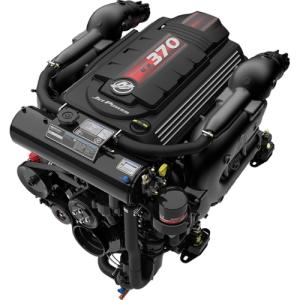
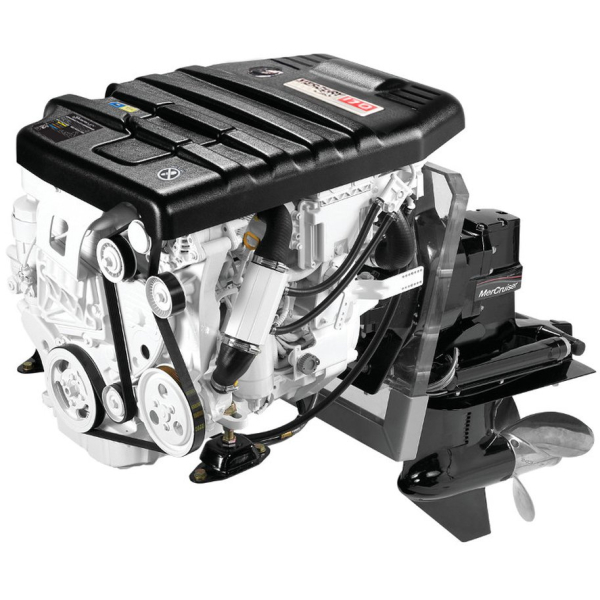
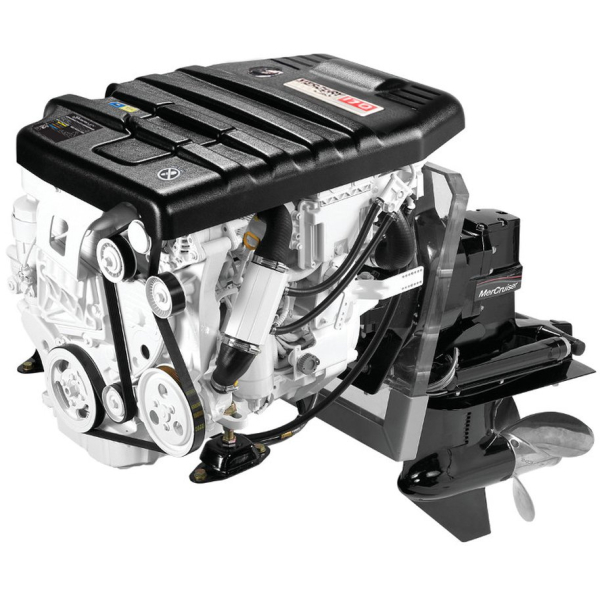
The Mercury Diesel 2.0L Inboard Diesel Engine is a compact marine diesel platform intended for inboard propulsion and compatible repower applications. The Performance Engines listing currently uses a 130 HP title, while its stored specification block identifies the engine as Mercury Diesel 170 and lists 170 HP / 129 kW with 361 Nm (266 lb-ft) of torque at 2,600 RPM. Because those two records conflict, the exact engine identification should be confirmed against the physical unit before purchase or installation.
Mercury’s current 2.0L Diesel family covers 115–170 HP and uses a compact four-cylinder diesel architecture, common-rail fuel injection and closed-loop freshwater cooling. Mercury identifies variable geometry turbocharging on the 150 HP and 170 HP versions.
There is a horsepower discrepancy in this product record. The product title and URL identify a Mercury Diesel 130 HP 2.0L engine, but the specification information stored with the listing identifies the engine as a Mercury Diesel 170 and gives a rating of 170 HP / 129 kW. The listing should therefore be treated as requiring configuration confirmation until the actual engine model, serial number or identification plate is checked.
This page deliberately does not convert the discrepancy into a single confirmed horsepower rating. Buyers should verify the physical engine before ordering, especially when matching the engine to an existing transmission, shaft line, mounts, exhaust system or boat horsepower requirement.
Mercury’s 2.0L Diesel is a compact marine propulsion platform designed for a range of inboard installations. Mercury currently lists the family from 115 through 170 HP, giving boat owners several output levels within the same general 2.0L platform.
The engine uses an inline-four diesel layout and high-pressure common-rail fuel injection. Mercury also describes a thermostatically controlled closed-loop freshwater cooling system and available SeaCore corrosion protection.
For a repower, engine selection cannot be based on displacement alone. The actual horsepower variant, transmission, engine dimensions, mounts, shaft alignment, exhaust, cooling connections, controls and boat capacity all need to be checked before installation.
Mercury’s current 2.0L Diesel family uses common-rail fuel injection to control fuel delivery. Mercury says the system is designed to fine-tune the air-to-fuel ratio for acceleration, top speed and efficiency.
Mercury also identifies variable geometry turbocharging (VGT) on the 150 HP and 170 HP versions. The VGT system is designed to optimize power and torque as operating demand changes.
Because the Performance Engines specification block identifies the inventory unit as a Mercury Diesel 170, the VGT information is relevant if that identification is confirmed. It should not be used as proof that the unit is a 170 HP engine until the physical engine is verified.
| Specification | Current Product Record |
|---|---|
| Listing title | Mercury Diesel 130 HP 2.0L Inboard Diesel Engine |
| Specification-block model | Mercury Diesel 170 |
| Displacement | 2.0 L |
| Configuration | Inline 4-cylinder diesel |
| Engine cycle | 4-stroke |
| Horsepower in specification block | 170 HP / 129 kW |
| Maximum operating speed | 4,000 RPM |
| Peak torque in specification block | 361 Nm / 266 lb-ft at 2,600 RPM |
| Alternator listed for this product | 12 V / 90 A |
| Oil sump volume | 6.3 qt / 6.0 L |
| Oil maintenance interval | 200 hours or annually |
| Fuel | Diesel |
| Recommended oil in product record | 5W30 ACEA C3 synthetic oil |
| Listed weight including transmission | 606 lb / 275 kg |
| Engine-only weight | Not provided in the current product record |
Important: the values above are the values currently associated with this Performance Engines product record. The 130 HP title and 170 HP specification block should be reconciled with the actual inventory unit before either rating is represented as definitively correct.
The compact inline-four architecture gives the Mercury Diesel 2.0L platform a relatively small physical footprint compared with larger marine diesel engines. This can be useful in installations where engine-bay space, weight and service access matter.
The product record identifies the engine as a 2.0L four-cylinder, while Mercury’s current family documentation confirms that the 2.0L platform spans 115–170 HP.
The correct engine variant should be established before calculating expected boat performance. Horsepower, torque, transmission ratio and propeller selection all affect the final propulsion result.
The stored specification block lists 361 Nm (266 lb-ft) at 2,600 RPM. Torque is particularly important in marine propulsion because an inboard engine continuously moves a loaded vessel through water and works through a transmission and propeller system.
Actual boat performance depends on the hull, displacement, propeller, transmission ratio, shaft line and operating conditions. The torque figure in the product record should therefore be used as an engine specification rather than as a guaranteed boat-performance figure.
Mercury’s current 2.0L Diesel family uses a thermostatically controlled closed-loop freshwater cooling system. Mercury states that this system is designed to protect the engine in both fresh and saltwater environments.
Marine cooling systems require correct installation of the heat exchanger, coolant circuit and raw-water system. During a repower, compare the existing boat plumbing with the installation requirements for the exact Mercury Diesel configuration.
The Performance Engines product record lists a 12-volt, 90-amp alternator for this listing. Because alternator output can vary between engine configurations and Mercury’s current 2.0L family page describes up to 110 amps at wide-open throttle, the 90-amp figure should be retained as the listing-specific value until the exact engine configuration is confirmed.
Electrical planning should include the starter, batteries, gauges, engine controls, navigation electronics and other onboard loads. Confirm the charging system and compatible electrical components before completing a repower.
The current Performance Engines record lists 606 lb (275 kg) including transmission. Engine-only weight is not provided in the listing.
For repower planning, use the complete installed package rather than the engine alone. Transmission, mounts, exhaust components, cooling equipment, batteries, controls and other hardware can materially affect final weight and balance.
Also confirm that the boat is rated for the actual horsepower of the engine being supplied. This is particularly important for this listing because the product title and specification block currently identify different horsepower ratings.
Mercury’s 2.0L Diesel platform uses high-pressure common-rail fuel injection. Common-rail systems depend on clean fuel and correct filtration, so fuel quality and maintenance should follow Mercury’s service requirements for the exact engine.
The product record identifies diesel as the required fuel. For installation and service, use the correct fuel filtration, fuel-line arrangement and maintenance procedures for the confirmed Mercury Diesel model.
The Performance Engines record lists a 6.3-quart / 6.0-liter oil sump volume and a 200-hour or annual oil maintenance interval. It also identifies 5W30 ACEA C3 synthetic oil as the recommended oil for the listing.
Because maintenance specifications can depend on the exact engine variant and model year, the final service procedure should be taken from the applicable Mercury Diesel documentation. Do not rely solely on a generic 2.0L specification when servicing an unidentified engine.
Mercury offers its SeaCore corrosion-protection system with the 2.0L Diesel family. Mercury describes SeaCore as a package of corrosion-fighting technologies intended for demanding marine environments.
SeaCore equipment is configuration-dependent, so buyers should confirm whether it is included with the specific engine being sold rather than assuming every Mercury Diesel 2.0L includes the package.
Mercury’s current diesel platform supports SmartCraft digital technologies, including Digital Throttle & Shift and VesselView-related monitoring equipment on compatible installations. Mercury states that SmartCraft integrates gauges, sensors and vessel systems into a coordinated digital control environment.
Control systems vary according to the engine, transmission and boat. Verify the required harnesses, displays, controls and compatible SmartCraft components for the exact unit before ordering rigging.
Before purchasing this Mercury Diesel engine for a repower, confirm:
Mercury positions the 2.0L Diesel as a compact marine propulsion engine suitable for a broad range of installations. The current family spans 115–170 HP, making it applicable to boats requiring different output levels within the same general platform.
Potential applications include compatible recreational inboard boats, marine repowers and other vessels designed around an inboard diesel propulsion system. Suitability must be determined from the actual engine variant and the vessel’s propulsion specifications.
If you are comparing this engine with other marine powerplants, browse the Performance Engines Inboard Engines category. Compare horsepower, torque, displacement, transmission, installation dimensions, weight, charging output, fuel system and service requirements rather than relying on horsepower alone.
For installation or configuration questions, contact the Performance Engines team before ordering so the engine can be matched to the intended application.
The current product title says 130 HP, but the specification block identifies the engine as Mercury Diesel 170 and lists 170 HP / 129 kW. The actual inventory unit should be checked before purchase so the listing can be matched to the physical engine.
The listing identifies the engine as a 2.0-liter inline-four diesel. Mercury’s current 2.0L Diesel family covers 115–170 HP.
The stored specification block lists 361 Nm (266 lb-ft) at 2,600 RPM.
The Performance Engines record lists a maximum operating speed of 4,000 RPM.
The product record lists 606 lb (275 kg) including the transmission. An engine-only weight is not supplied in the listing.
It uses diesel fuel. Mercury’s current 2.0L platform uses high-pressure common-rail fuel injection.
Yes. Mercury identifies high-pressure common-rail fuel injection as a feature of its current 2.0L Diesel family.
Mercury identifies VGT on the 150 HP and 170 HP versions of the current 2.0L Diesel family. The exact configuration of this inventory unit should be confirmed before assuming VGT equipment is installed.
The Performance Engines record lists a 12 V, 90 A alternator. Mercury’s current family documentation describes up to 110 amps at wide-open throttle on current configurations, so the listing-specific 90 A figure should be verified against the actual engine.
The current product record lists an oil sump volume of 6.3 qt / 6.0 L.
The product record lists 5W30 ACEA C3 synthetic oil. Confirm the exact service specification from the applicable Mercury documentation before servicing an unidentified engine.
The listing specifies 200 hours or annually. The exact maintenance schedule should be confirmed against the engine’s model and serial information.
Yes. Mercury describes a thermostatically controlled closed-loop freshwater cooling system for the current 2.0L Diesel family.
It can be suitable for compatible inboard repower projects, but the actual engine variant, transmission, mounts, shaft alignment, exhaust, cooling, controls, weight and boat capacity must all be checked before installation.
Mercury’s current diesel platform supports SmartCraft technologies and compatible digital control and monitoring systems. Exact equipment depends on the engine and installation.
Mercury offers SeaCore corrosion protection with the 2.0L Diesel family, but availability depends on configuration. Confirm the equipment included with the specific engine before purchase.
First verify the engine identification and horsepower because the current listing contains a 130 HP title and a 170 HP specification block. Then confirm transmission, mounting dimensions, shaft alignment, cooling, exhaust, electrical and control compatibility with the intended boat.
The Mercury Diesel 2.0L is a compact four-cylinder marine diesel platform with common-rail injection, closed-loop cooling and multiple horsepower configurations. Mercury currently lists the family from 115 to 170 HP, with VGT used on the 150 HP and 170 HP models.
For this particular Performance Engines listing, the most important step before purchase is confirming the physical engine identification because the product title says 130 HP while the stored specification block identifies a Mercury Diesel 170. Once that is confirmed, the engine can be evaluated against the boat’s horsepower rating, transmission, installation dimensions and repower requirements.