
Uncategorized
How Electric Outboard Motors Work: Motor, Controller and Battery Explained
Understand how electric outboard motors use batteries, controllers, electric motors and propellers to deliver propulsion, and what each component does.

Understand how electric outboard motors use batteries, controllers, electric motors and propellers to deliver propulsion, and what each component does.
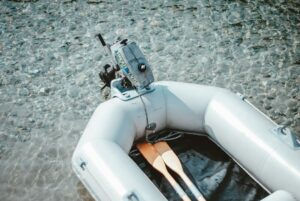
Learn how to choose a portable electric outboard for a dinghy or tender, including motor weight, battery design, shaft fit, range and storage.

Compare Torqeedo, Mercury Avator and ePropulsion electric outboards by application, system design, battery options, controls, support and total cost.

Maintain an electric outboard with routine propeller, mounting, battery and cable checks, and learn when warning indicators need professional diagnosis.

Plan an electric outboard installation by checking transom and shaft fit, battery mounting, controls, cable routing and marine electrical protection.
Understand electric outboard chargers, shore-power requirements, charging time, battery care and safe charging practices for marine systems.
Use motor power, trip duration, usable battery capacity and reserve planning to estimate the battery size needed for an electric boat motor.
Learn what determines electric outboard range, how battery energy and power draw affect distance, and how to plan a realistic reserve.
Understand voltage, amp-hours, kilowatt-hours, usable capacity, battery management and runtime when planning an electric outboard battery system.
Choose an electric outboard by boat displacement, hull type, power, shaft length, battery system, range, controls and installation requirements.
Compare electric and petrol outboard motors by range, performance, purchase cost, maintenance, charging, fuel and the type of boating each suits.
Compare boat engine repair and replacement using diagnosis, repair cost, engine condition, parts availability, installation and ownership value.