
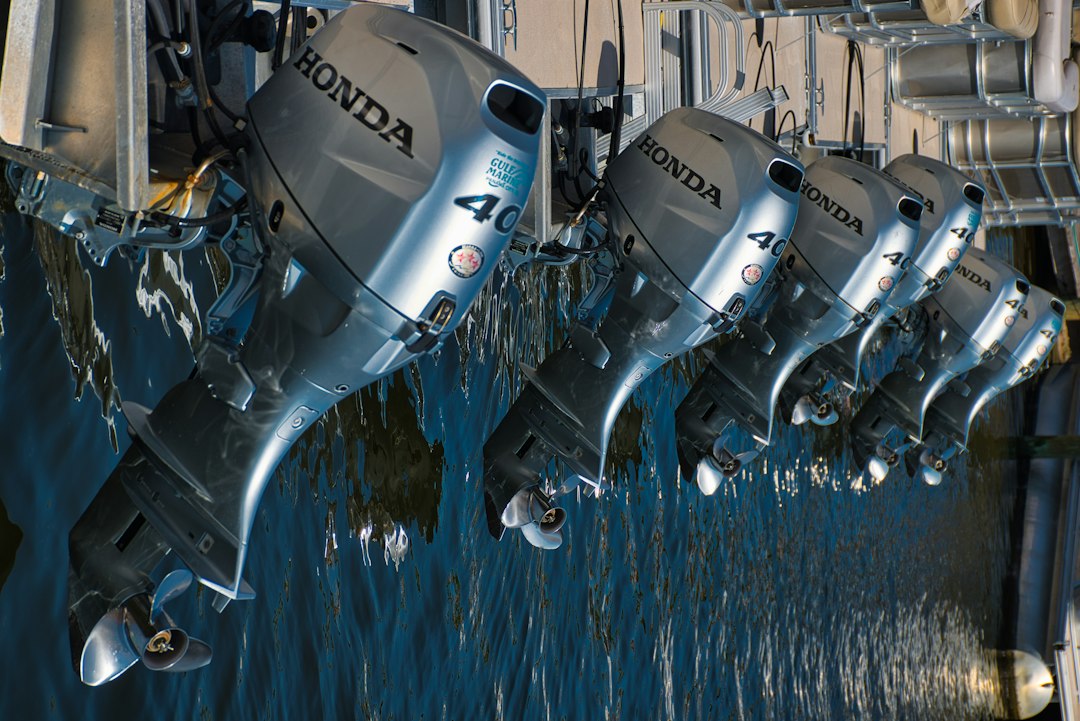
A boat engine fuel leak is an immediate fire and explosion hazard, especially in an enclosed or poorly ventilated space. If you smell fuel, see liquid fuel or suspect vapors, do not start the engine or operate electrical switches in the affected space. Keep flames and ignition sources away, move people to safety, and follow the boat’s emergency plan. Call for professional assistance when needed. This article is intended for hazard recognition and prevention, not instructions for repairing a pressurized fuel system.
Signs can include a persistent gasoline or diesel odor, visible wetness around a hose or filter, unexpected fuel consumption, staining, drips in the bilge or poor running after fuel-system service. Never use your nose alone to locate a leak and never run an engine to reproduce the symptom. Gasoline vapor can collect in low spaces and ignite from a spark.
Potential locations include tank fittings, fill and vent hoses, supply and return lines, filter housings, primer bulbs, connections, pumps, injectors and seals. Corrosion, chafing, vibration, aging hose, incorrect clamps or damaged fittings can contribute. Components and pressure levels vary by engine and fuel system, so a visual clue should be treated as a reason for qualified inspection rather than an invitation to dismantle the system.
Follow the vessel’s specific emergency instructions. Do not assume that opening a hatch or turning on an ordinary fan is safe in every situation where gasoline vapor may be present.
Do not patch a fuel hose with tape, substitute non-marine hose or use an unapproved clamp. Fuel systems require components rated for the fuel, pressure, location and marine environment. A repair that appears dry while the engine is off may leak under pressure or vibration. Incorrect materials can deteriorate or create a hidden fire risk.
A qualified technician can identify the source, inspect the complete affected circuit, verify hose and fitting specifications, assess tank and vent integrity, replace unsuitable components and perform the required leak checks. Ask for the repair and test results to be recorded. If the bilge or enclosed compartment has been exposed to fuel, follow the professional’s instructions before restoring power or operating the vessel.
Include accessible fuel lines, filters, tank fittings and supports in routine inspections. Protect hoses from abrasion and heat, secure them correctly, replace aged components at the recommended interval and use approved marine-rated parts. After maintenance, follow correct inspection and ventilation procedures before returning the boat to service.
Use the Boat Engine Maintenance & Repair Guide for related inspections and service planning. Treat any suspected fuel leak as a safety issue first.