$5,000.00
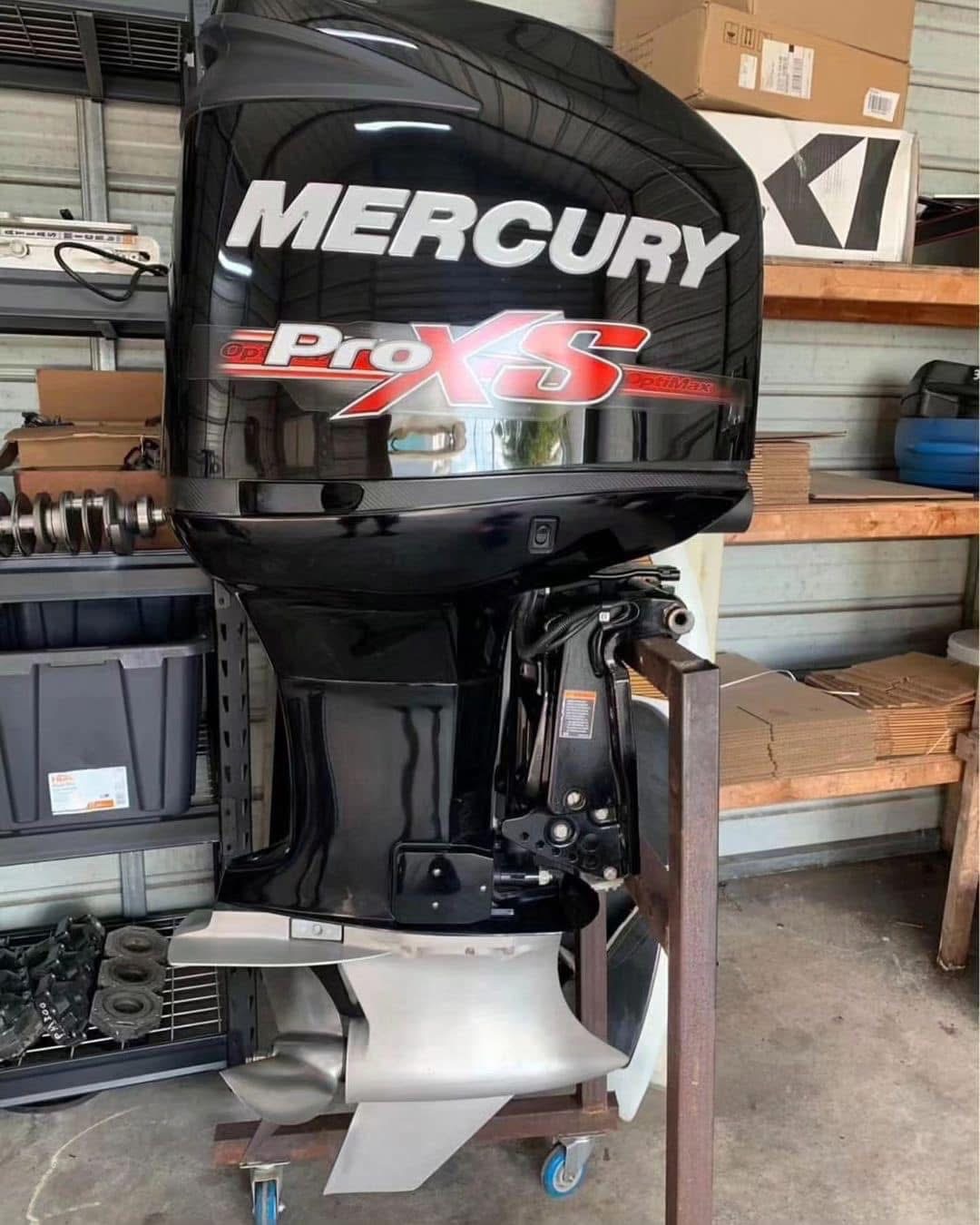
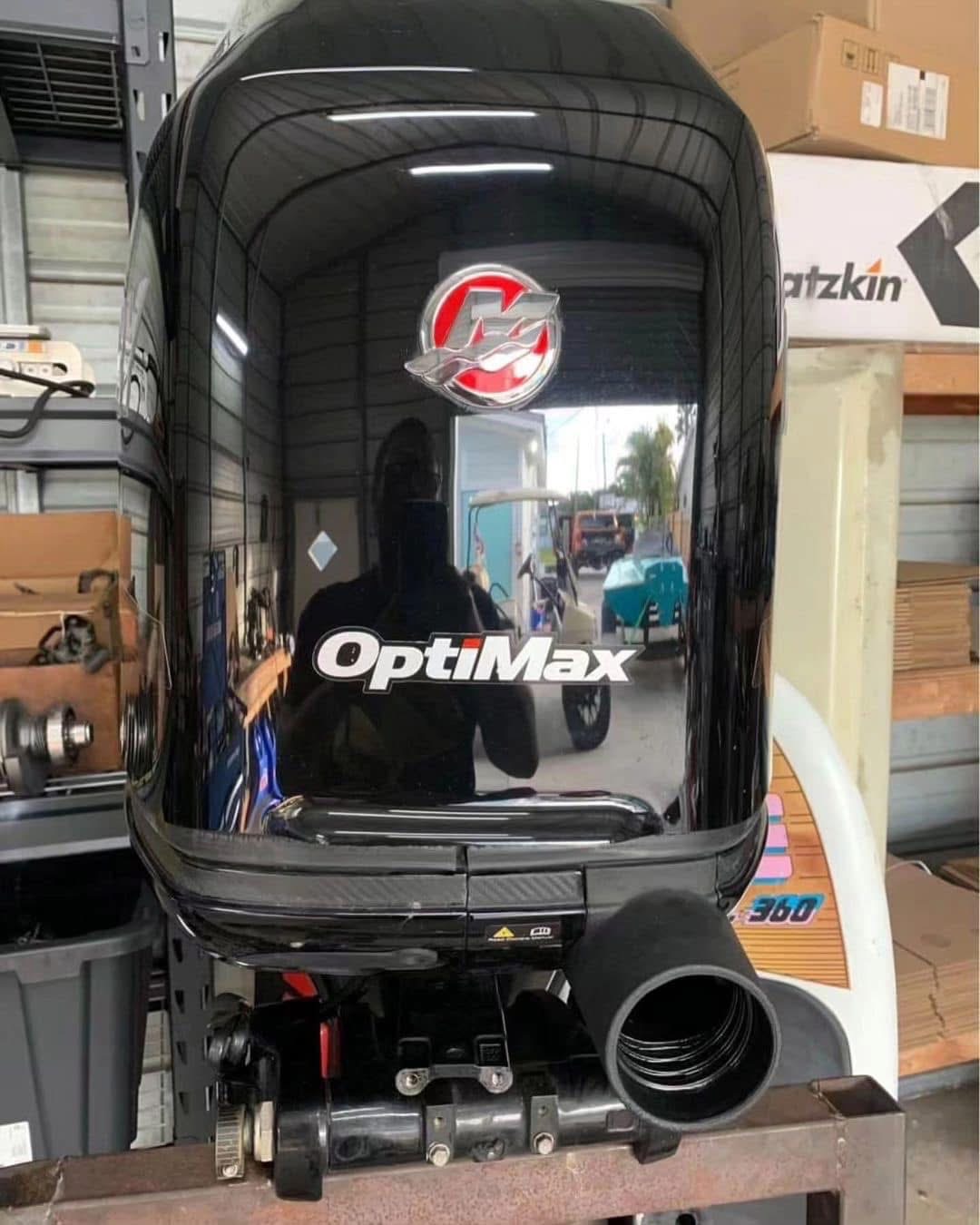
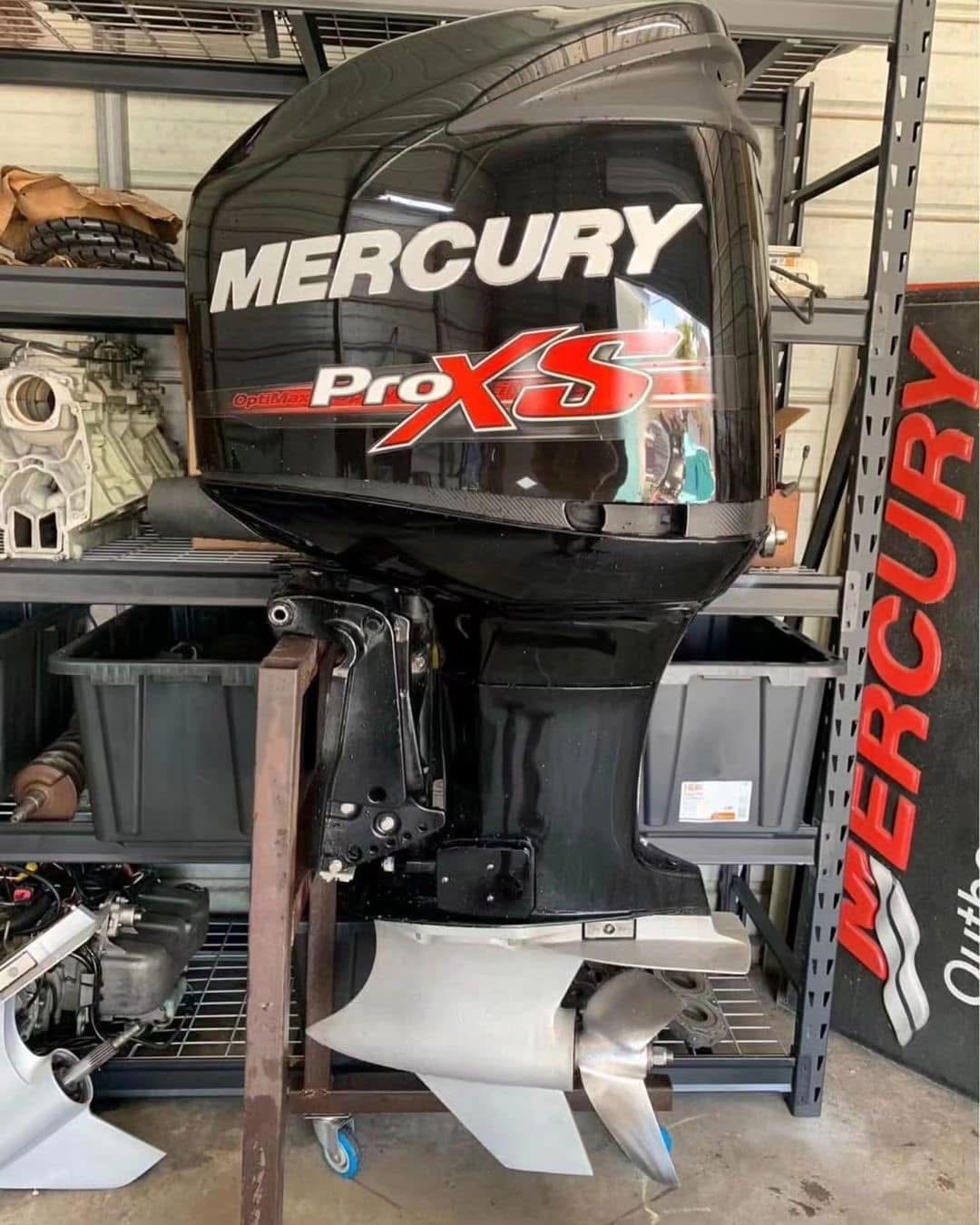
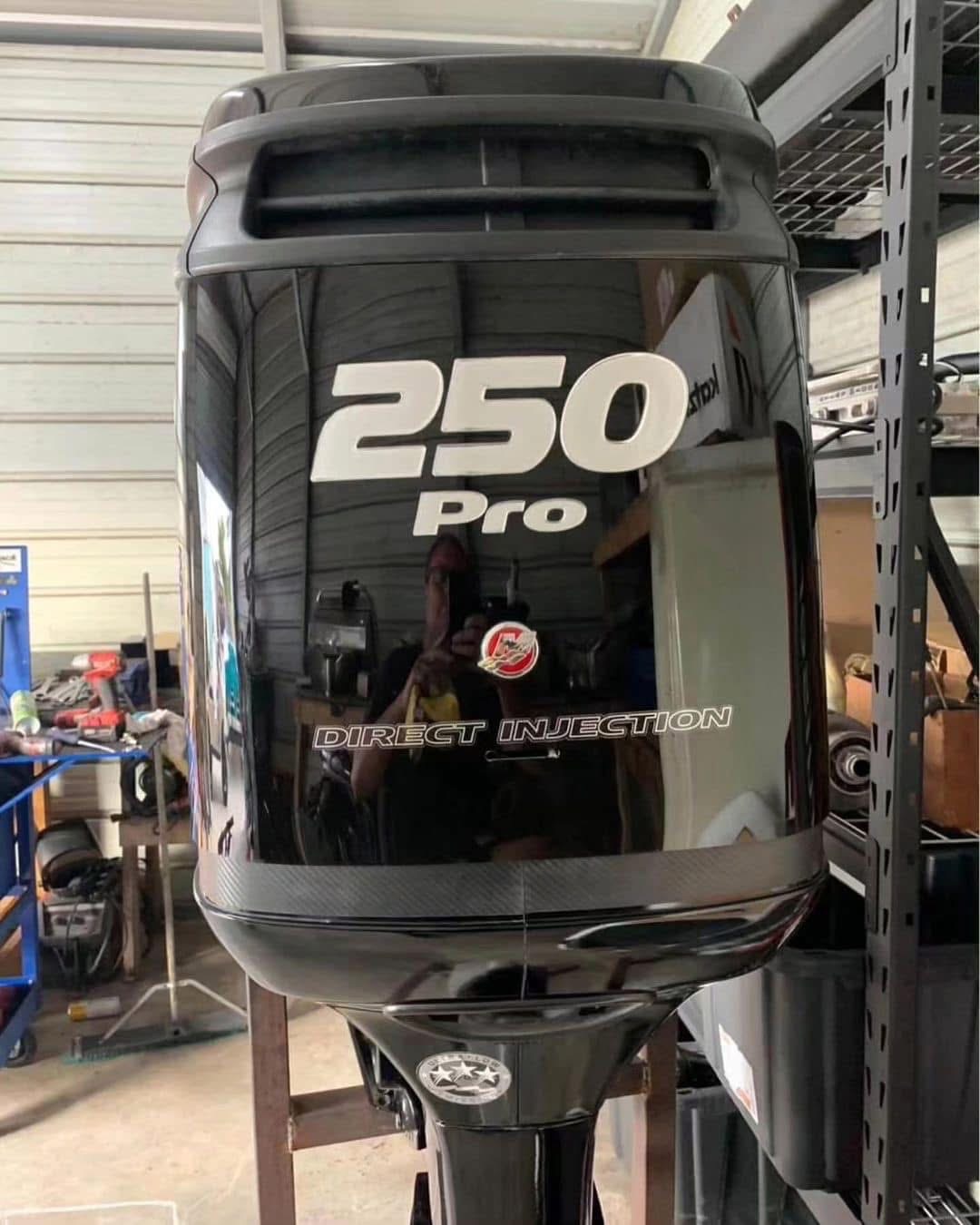
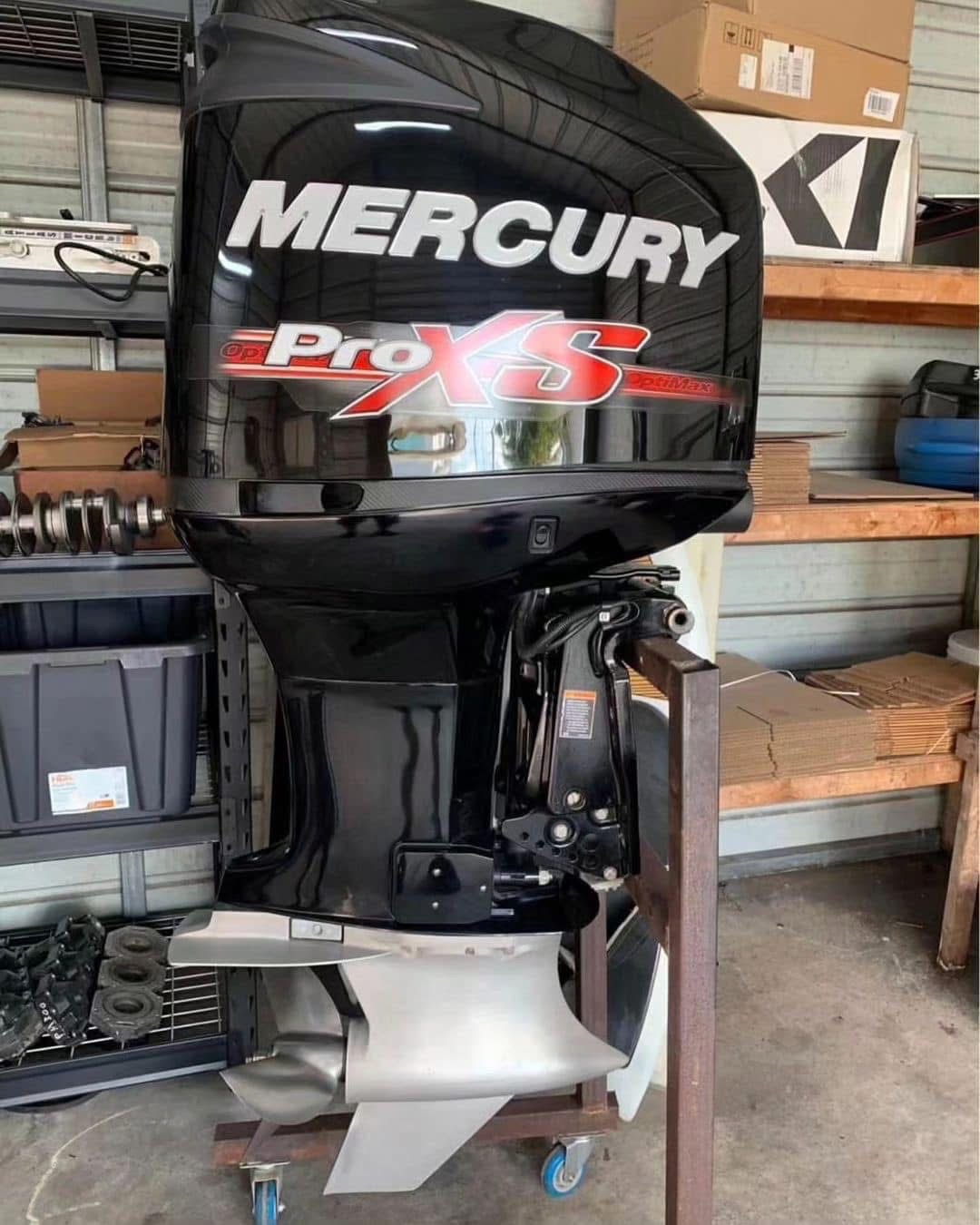
The 2019 Mercury Pro XS 250 OptiMax is a high-performance 250HP outboard built around Mercury’s 3.0-liter V6 OptiMax direct-fuel-injection platform. This model combines two-stage direct fuel injection, a 5,500–6,000 RPM operating range, a 1.75:1 gear ratio and a lightest published dry weight of 505 lb (229 kg). The specification set on this page describes the 3.0L OptiMax Pro XS architecture rather than the later V8 Pro XS generation.
For anglers and boat owners looking for a performance-oriented 250HP outboard, the OptiMax Pro XS was designed around rapid acceleration, high-speed operation and efficient direct-injection combustion. The exact performance delivered on the water still depends on hull design, boat weight, propeller selection, engine mounting height, load and operating conditions.
| Specification | 250 OptiMax Pro XS |
|---|---|
| Rated horsepower | 250 HP / 184 kW |
| Engine type | V6 two-stroke |
| Displacement | 3.0 L / approximately 3,032 cc |
| Fuel induction | Two-stage Direct Fuel Injection (DFI) |
| Full-throttle RPM | 5,500–6,000 RPM |
| Overspeed limit | Approximately 6,300 RPM |
| Gearcase ratio | 1.75:1 |
| Alternator | 60 A / 756 W, belt-driven |
| Shaft lengths | 20 in / 508 mm and 25 in / 635 mm |
| Controls | Remote mechanical |
| Steering | Remote |
| Gearcase | Standard |
| Lightest published dry weight | 505 lb / 229 kg |
| Recommended fuel | Unleaded regular, 87 octane minimum (R+M)/2 or 90 RON |
| Ethanol limit listed | 10% maximum |
| Recommended oil | Mercury OptiMax/DFI Outboard Oil |
| Engine protection | SmartCraft Engine Guardian |
| SmartCraft compatibility | Yes |
| Finish | Phantom Black |
The live product specification lists 250 HP, V6 construction, 3.0-liter displacement, 5,500–6,000 RPM, two-stage DFI, 60-amp/756-watt charging, 20- and 25-inch shaft options, 1.75:1 gearing and a 505-lb lightest dry weight. Mercury’s 200–250 OptiMax service documentation independently identifies the 250 as a 60-degree V6 with 3,032 cc displacement, 5,500–6,000 RPM and 1.75:1 gearing.
The heart of the 250 Pro XS OptiMax is Mercury’s 3.0-liter V6 two-stroke powerhead. The six-cylinder layout provides the displacement and power required for large performance-oriented fishing boats and other hulls designed around 250HP propulsion.
The 3.0L specification is important when identifying this engine because Mercury later introduced different Pro XS generations, including V6 and V8 four-stroke models. This page should therefore be understood as describing the 3.0L OptiMax Pro XS configuration listed for this product, rather than a modern 4.6L V8 Pro XS.
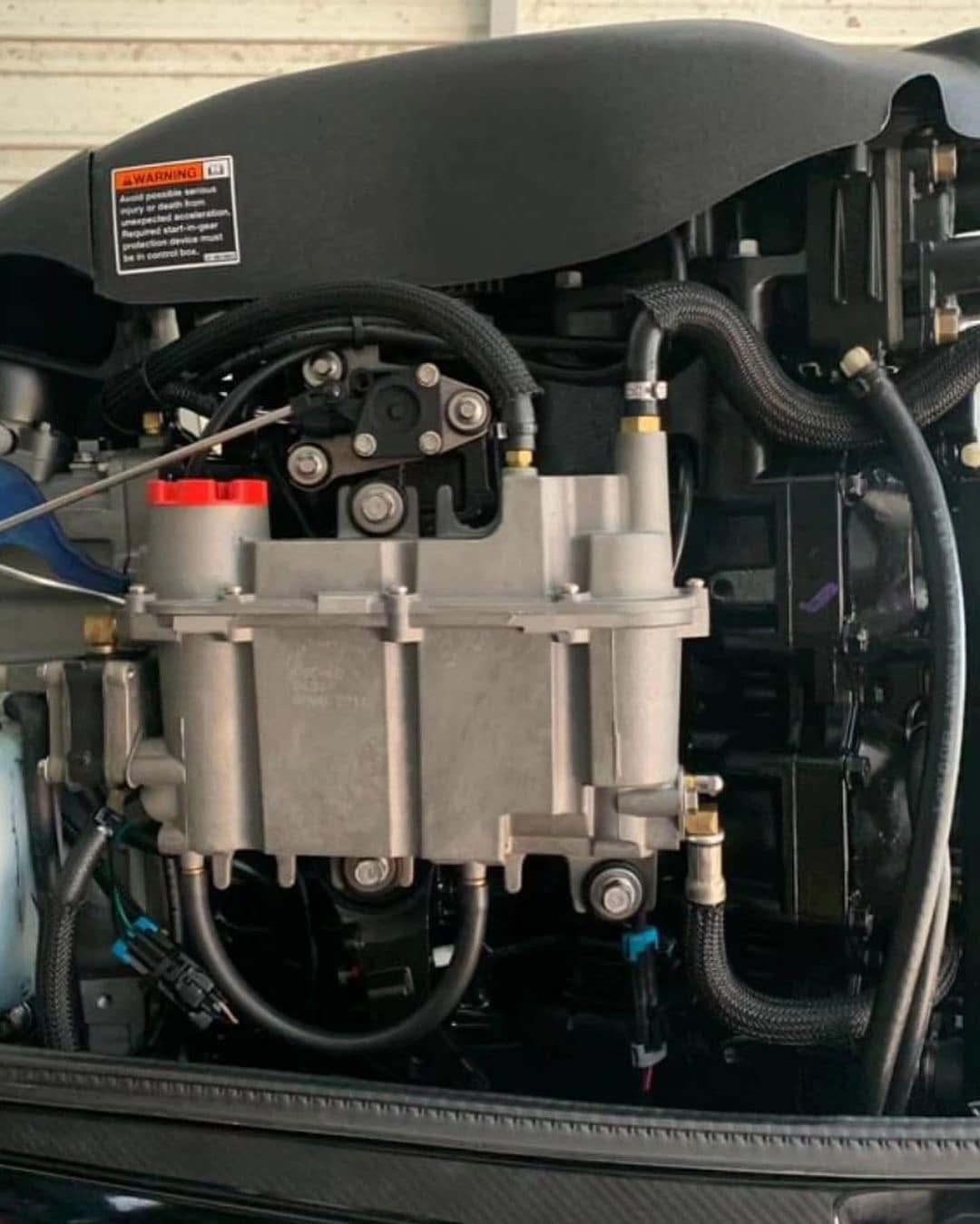
OptiMax uses Direct Fuel Injection (DFI) to deliver fuel directly into the combustion process rather than using a conventional carburetor. The 250 Pro XS specification identifies a two-stage DFI system.
Direct injection is a defining feature of the OptiMax architecture. It allows the engine-management system to control fuel delivery and combustion more precisely than older carbureted two-stroke designs. Mercury’s historical Pro XS material positioned the OptiMax family around acceleration, power and fuel efficiency for performance-oriented applications.
The Pro XS designation was developed for boat owners who wanted a more performance-focused version of Mercury’s outboard range. Mercury’s contemporary Pro XS literature highlighted features such as high-performance carbon-fiber reeds, custom tuning and the availability of a Torque Master gearcase on selected 225HP and 250HP OptiMax Pro XS applications.
Gearcase selection matters on a used 250 Pro XS. The live listing specifies a standard gearcase, while Mercury documentation shows that different gearcase configurations existed for the 250 XS family. Buyers should therefore verify the actual lower-unit casting, gear ratio and propeller-shaft configuration on the engine being purchased rather than assuming every 250 Pro XS has the same gearcase.
The published full-throttle operating range for the 250 OptiMax is 5,500–6,000 RPM. Propeller selection should allow the engine to reach the appropriate range when the boat is loaded normally and operated under suitable conditions.
Propeller pitch is not selected by horsepower alone. Hull type, boat weight, gearcase configuration, engine mounting height, propeller diameter, blade design and intended use all affect the final setup. A 250HP engine installed on a lightweight bass boat can require a different propeller setup from the same engine installed on a heavier multi-species or offshore hull.
The 3.0L 250 OptiMax uses a published 1.75:1 gear ratio. This reduction allows the engine to operate at its designed crankshaft speed while turning a suitable propeller at a lower rotational speed.
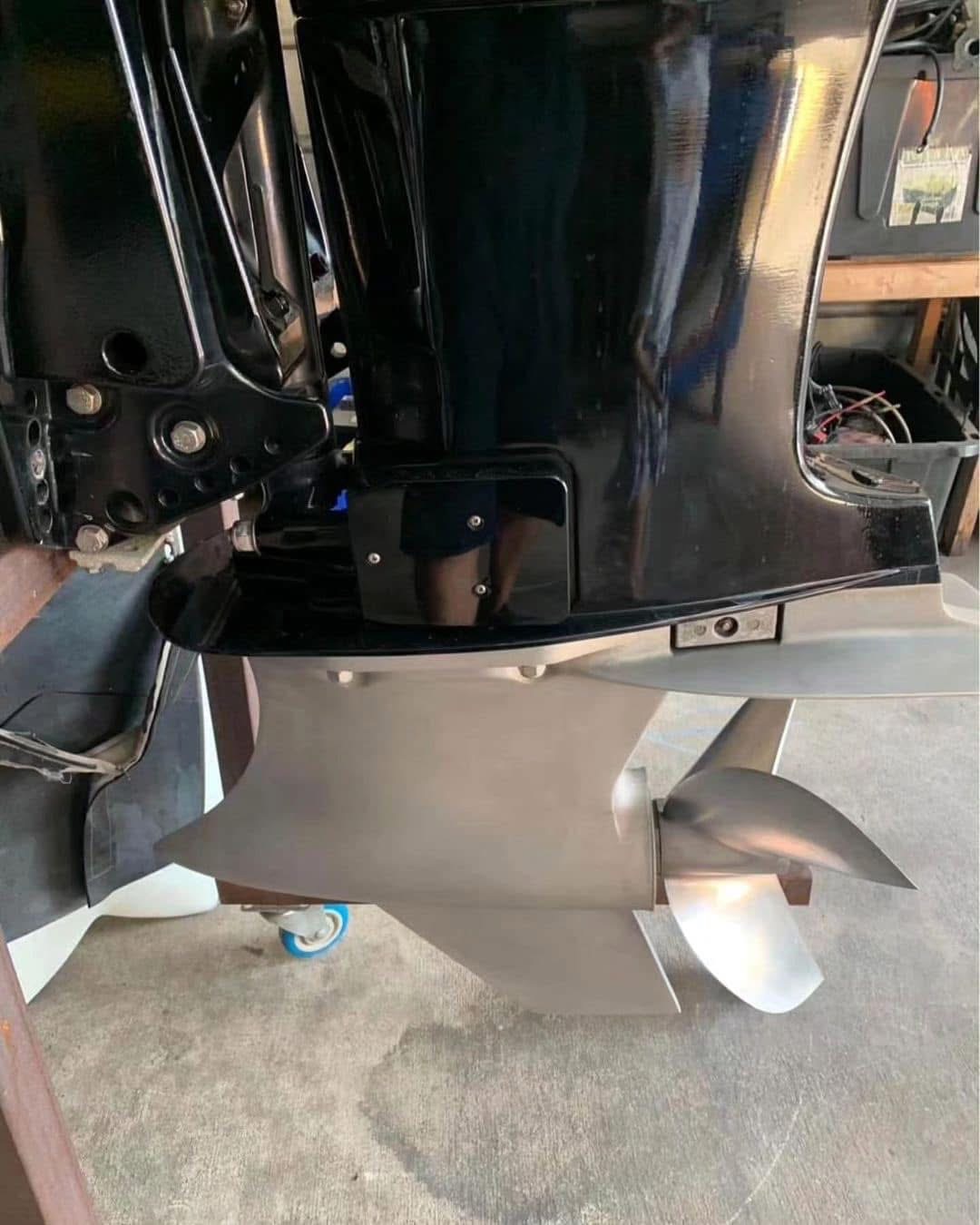
For a used engine, inspect the gearcase carefully for impact damage, corrosion, water intrusion and evidence of previous repairs. Check the propeller shaft and propeller for signs of impact before completing a repower.
The product specification lists a 60-amp / 756-watt belt-driven alternator. This provides electrical charging capacity for the boat’s starting battery and onboard equipment while the engine is operating.
Modern boats may carry substantial electrical loads from chartplotters, sonar, radios, pumps, lighting and other accessories. Battery condition, cables, grounds and circuit protection should be checked as part of any repower or used-engine installation.
The 250 Pro XS OptiMax is compatible with Mercury SmartCraft digital technology, and the product specification identifies SmartCraft Engine Guardian as the engine-protection and warning system.
SmartCraft-compatible instrumentation can provide useful information about engine operation, warnings and system status. On a used engine, confirm that the required SmartCraft gauges, harnesses and compatible controls are included if they are part of the advertised package.
The published specification calls for unleaded regular gasoline with a minimum 87 octane rating (R+M)/2 or 90 RON and lists a maximum ethanol content of 10 percent. The specification also identifies Mercury OptiMax/DFI Outboard Oil as the recommended oil.
Fuel quality is particularly important on an older direct-injection two-stroke. Before starting a stored engine, inspect the fuel tank, fuel lines, filters, primer system and connections. Do not assume that fuel that has been sitting for an extended period is suitable for operation.
The product specification lists both 20-inch and 25-inch shaft lengths. Selecting the correct shaft length is essential because the engine’s mounting position affects propeller immersion, cooling-water pickup and overall boat handling.
Measure the boat’s transom before purchasing a replacement engine. Also confirm the actual shaft length on the engine itself rather than relying only on photographs or a generic model description.
The lightest published dry weight for this configuration is 505 lb (229 kg). Actual engine weight can vary with shaft length, rigging and equipment.
Weight matters when repowering because moving from one engine to another can change the boat’s static trim, transom loading and running attitude. Compare the complete installation weight, not just the bare engine specification.
A 250HP OptiMax Pro XS can be appropriate for performance-oriented bass boats, multi-species fishing boats, center consoles and other hulls engineered for 250HP outboard power. Mercury’s historical Pro XS material specifically positioned the 250 Pro XS toward performance fishing applications.
The boat manufacturer’s maximum horsepower rating must always be followed. A 250HP outboard should not be installed on a hull that is not designed, rated and structurally equipped for that power level.
Because a 2019-listed OptiMax is now a used or legacy engine rather than a current-production model, condition and history are as important as the specification sheet. Ask for the serial number, engine hours where available, service records and diagnostic information.
Inspect the cowling, powerhead, midsection and lower unit for impact damage and corrosion. Check for oil or fuel leaks, damaged connectors, brittle hoses and signs of previous repairs. The gearcase deserves particular attention because impact damage can affect the housing, propeller shaft and internal gears even when external damage is not immediately obvious.
If possible, perform a diagnostic scan before purchase. A water test should evaluate cold starting, idle quality, acceleration, steering, trim, cooling-water flow, charging output and full-throttle RPM.
Correct lubrication and fuel-system maintenance are important on the OptiMax direct-injection platform. Use the lubricant specified for the engine and follow the applicable Mercury service documentation for the exact serial-number range.
Maintenance inspection should include spark plugs, fuel filters, oil system components, direct-injection components, cooling passages, water pump, thermostats, anodes, gearcase lubricant, propeller shaft and electrical connections.
On a stored or previously unused engine, do not simply add fuel and run it at full throttle. Establish the engine’s storage history and inspect the complete fuel, lubrication, cooling and electrical systems first.
The 3.0L OptiMax architecture has a different character from Mercury’s later four-stroke Pro XS engines. It is a V6 two-stroke direct-injection outboard, with a relatively low published dry weight for a 250HP engine and a 5,500–6,000 RPM operating range.
This distinction is important when researching parts, service information and replacement engines. Mercury’s service material separates the 200–250HP OptiMax/Pro XS family from newer V8 Pro XS products.
The Mercury Pro XS OptiMax described on this page is rated at 250 horsepower (184 kW).
Yes. The 3.0L OptiMax Pro XS is a two-stroke V6 using Mercury’s two-stage Direct Fuel Injection system.
The engine uses a 3.0-liter V6 powerhead. Mercury technical documentation specifies approximately 3,032 cc (185 cubic inches).
The published full-throttle operating range is 5,500–6,000 RPM. Propeller selection should be checked against the engine’s actual RPM during a properly loaded water test.
The specification for the 250 OptiMax lists a 1.75:1 gear ratio. Exact gearcase equipment should be verified on an individual used engine.
The lightest published configuration is approximately 505 lb (229 kg). Actual weight can vary according to shaft length and equipment.
The published specification lists regular unleaded gasoline at a minimum of 87 octane (R+M)/2 or 90 RON, with a maximum ethanol content of 10 percent.
The product specification identifies Mercury OptiMax/DFI Outboard Oil as the recommended oil. Always confirm the correct lubricant against the engine’s exact service documentation and serial number.
The 2019 Mercury Pro XS 250 OptiMax offers a distinctive combination of 250HP output, 3.0L V6 direct injection, performance-focused Pro XS tuning, 1.75:1 gearing and a lightest published dry weight of 505 lb. Its two-stroke DFI architecture makes it fundamentally different from the later V8 Pro XS generation.
Before purchasing, verify the exact serial number, shaft length, gearcase, controls, steering equipment, service history and engine condition. For more marine propulsion options, browse our outboard engines category.